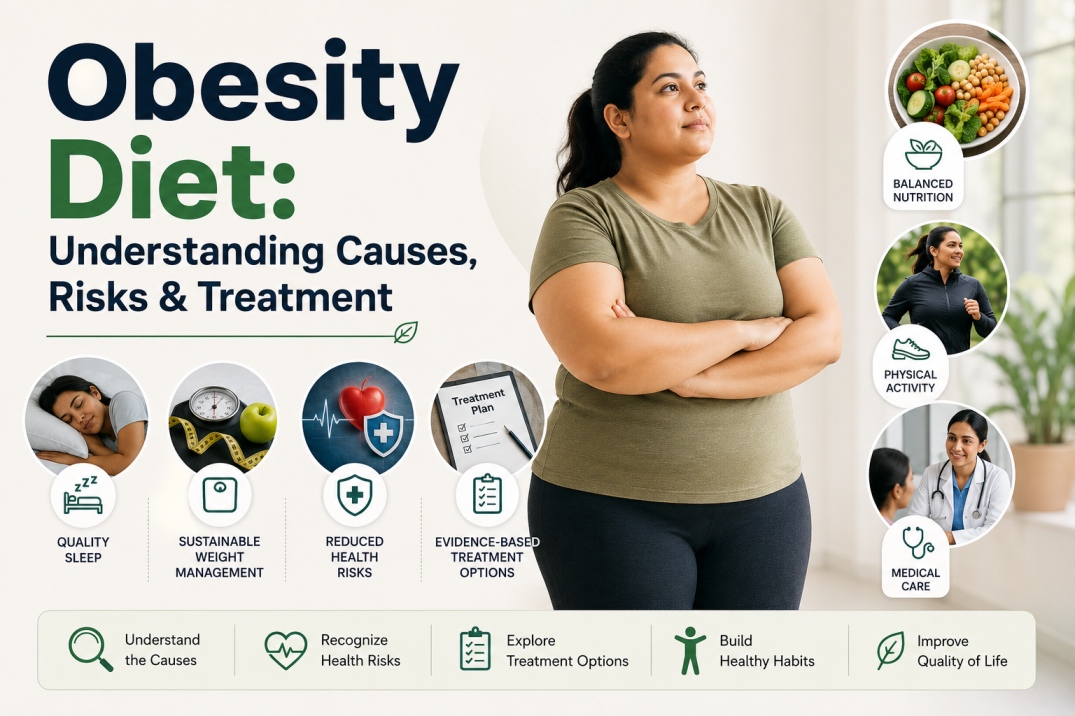
Obesity Diet: Understanding Causes, Risks & Treatment
Obesity Explained: Causes, Health Risks & Evidence-Based Treatment Options
Obesity is a complex chronic health condition that affects millions of people worldwide.
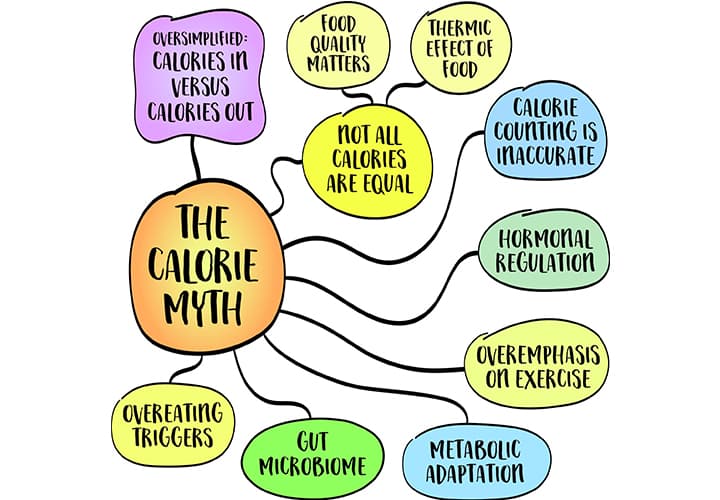
It is often oversimplified as a matter of eating too much or exercising too little. In reality, body weight is influenced by a complex interaction of biological, genetic, environmental, behavioral, social, medical, and psychological factors.
For some people, changes in nutrition and physical activity may be enough to achieve meaningful weight loss. Others may benefit from structured behavioral support, medical treatment, weight-management medications, or metabolic and bariatric surgery.
Understanding obesity as a multifactorial health condition is important because effective treatment is rarely based on willpower alone.
The goal of obesity management is also not simply to achieve a particular number on the weighing scale. Treatment may aim to improve metabolic health, mobility, fitness, sleep, quality of life, and the risk factors associated with obesity-related diseases.https://www.who.int/news-room/fact-sheets/detail/obesity-and-overweight
In this comprehensive guide, you'll learn:
What obesity is
How obesity is commonly assessed
The role and limitations of BMI
What causes obesity
Common risk factors
How genetics and hormones affect body weight
Health risks associated with obesity
How obesity is treated
The role of nutrition and exercise
Behavioral approaches to weight management
When weight-loss medications may be considered
The role of bariatric surgery
Why sustainable, individualized treatment matters
What Is Obesity?
Obesity is a chronic condition characterized by excessive or abnormal body fat accumulation that may impair health.
Body weight itself does not provide a complete picture of health.
Two people at the same weight may have very different:
Heights
Body compositions
Muscle mass
Fat distribution
Metabolic health
Medical risk factors
For this reason, healthcare professionals may use several measures alongside medical history and clinical assessment when evaluating weight-related health risks.
These may include:
Body mass index (BMI)
Waist circumference
Blood pressure
Blood glucose
Cholesterol levels
Medical history
Family history
Physical examination
Obesity should therefore be assessed in the context of an individual's overall health rather than based on appearance alone.World Health Organization – Obesity and Overweight
Understanding BMI and Obesity
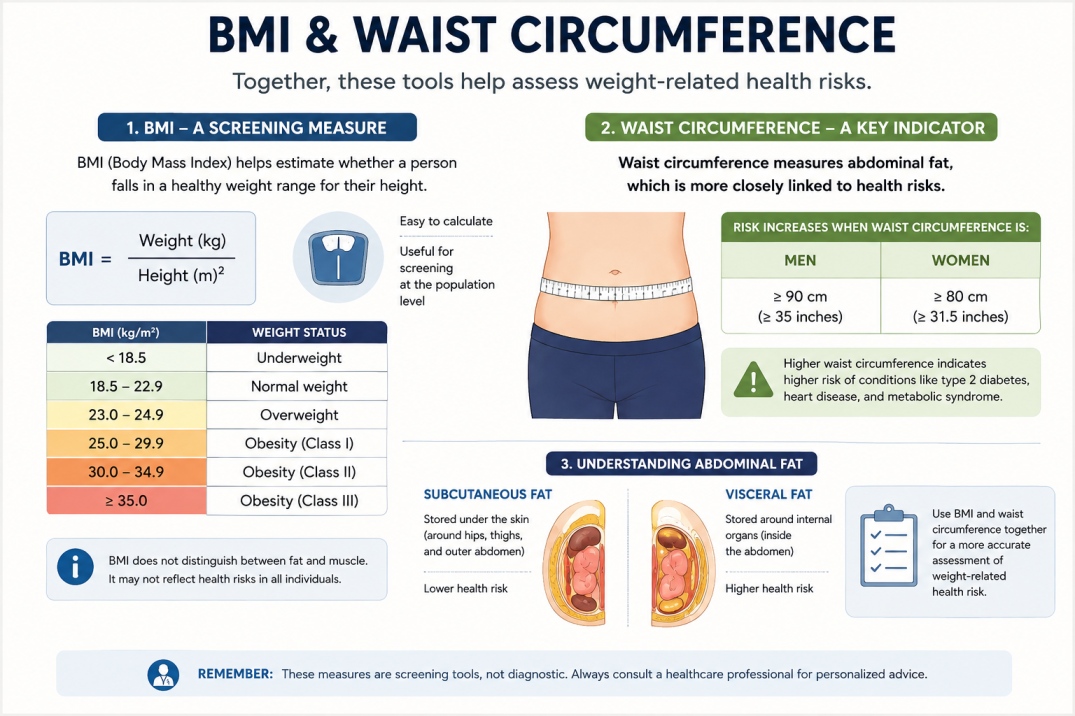
Body mass index, or BMI, is a commonly used screening measure based on a person's weight relative to their height.
It is calculated as:
BMI = Weight in kilograms ÷ Height in metres²
BMI categories are commonly used to identify potential weight-related health risks at a population level.
However, BMI has important limitations.
It does not directly measure:
Body fat percentage
Muscle mass
Bone mass
Fat distribution
Visceral fat
Metabolic health
For example, a muscular individual may have a higher BMI despite having relatively low body fat.
Similarly, someone with a BMI within a standard range may still have excess visceral fat or metabolic risk factors.
Therefore, BMI should be considered a screening tool rather than a complete diagnosis of individual health.
Waist Circumference and Abdominal Fat
Where body fat is stored can also influence health risks.
Visceral fat is fat stored deeper within the abdominal cavity around internal organs.
Higher levels of visceral fat are associated with increased risk of:
Insulin resistance
Type 2 diabetes
High blood pressure
Abnormal cholesterol levels
Cardiovascular disease
Metabolic syndrome
Waist circumference may therefore provide additional information about abdominal fat distribution and metabolic risk.
Healthcare professionals may consider waist measurements alongside BMI and other health markers.
What Causes Obesity?
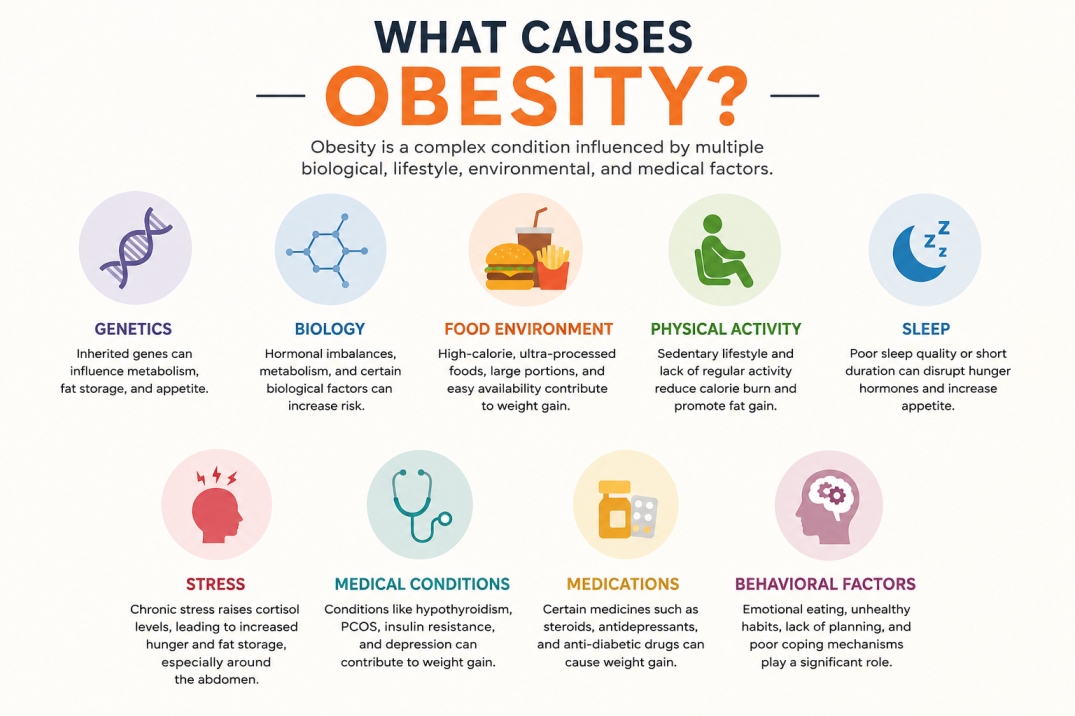
Obesity usually develops through a complex interaction of multiple factors.
At a basic physiological level, weight gain occurs when energy intake consistently exceeds energy expenditure over time.
However, the reasons why this imbalance develops and persists can be complicated.
Factors that may contribute include:
Genetics
Biology
Food environment
Physical activity levels
Sedentary behavior
Sleep
Stress
Hormonal factors
Certain medical conditions
Certain medications
Psychological factors
Socioeconomic circumstances
Access to nutritious food
Cultural influences
Understanding these factors is essential for creating realistic and individualized treatment plans.
1. Genetics
Genetics can influence several aspects of weight regulation.
These may include:
Appetite
Hunger
Satiety
Energy expenditure
Fat storage
Body shape
Food preferences
Some people may be genetically more susceptible to weight gain in environments where high-calorie foods are easily available and physical activity is limited.
Genetics do not necessarily determine a person's future body weight, but they can influence individual susceptibility.
2. Food Environment
Modern food environments can make excessive calorie consumption easier.
Highly processed foods are often:
Convenient
Widely available
Highly palatable
Energy-dense
Easy to overconsume
Frequent intake of:
Sugary beverages
Deep-fried foods
Fast food
Sweets
Packaged snacks
Large restaurant portions
may contribute to excess calorie intake.
Healthy weight management therefore involves not only individual choices but also the environment in which those choices are made.
3. Physical Inactivity
Low levels of physical activity can contribute to weight gain and poor metabolic health.
Many people spend long periods sitting because of:
Office work
Commuting
Screen time
Television
Technology use
Structured exercise is valuable, but everyday movement also matters.
Activities such as walking, climbing stairs, household work, and taking movement breaks can contribute to total daily energy expenditure.
4. Sleep and Obesity
Sleep plays an important role in weight regulation.
Insufficient or poor-quality sleep may influence:
Hunger
Appetite
Food cravings
Insulin sensitivity
Energy levels
Exercise motivation
Stress
Poor sleep can also make healthy eating and physical activity more difficult to maintain.
Addressing sleep should therefore be considered part of comprehensive weight management.
5. Stress
Chronic stress may contribute to weight gain in several ways.
It may affect:
Appetite
Food cravings
Emotional eating
Sleep
Physical activity
Stress hormone regulation
Some people eat more during periods of stress, particularly highly palatable foods that are rich in calories.
Others may experience disrupted routines that make healthy eating and exercise more difficult.
Stress management can therefore play a supportive role in obesity treatment.
6. Hormonal and Medical Factors
Certain medical conditions can influence body weight or make weight management more difficult.
Examples may include conditions affecting:
Thyroid function
Hormonal regulation
Metabolism
However, hormonal conditions are not responsible for every case of obesity.
People experiencing unexplained or rapid weight gain, significant fatigue, menstrual changes, or other concerning symptoms should seek medical evaluation.
Proper diagnosis is important before assuming that weight changes are caused by a particular hormone.
7. Medications and Weight Gain
Certain medications may contribute to weight gain in some individuals.
Depending on the medication, possible mechanisms may include changes in:
Appetite
Metabolism
Fluid retention
Energy levels
If you believe a medication is affecting your weight, do not stop taking it without medical advice.
Speak with your healthcare professional about your concerns and whether alternative treatment options are appropriate.https://wellorafit.com/services/nutrition-diet-planning/
8. Psychological and Behavioral Factors
Eating behavior can be influenced by:
Stress
Emotions
Habit
Boredom
Food availability
Social situations
Sleep deprivation
Some people may also experience binge eating or other eating-related difficulties that require specialized professional support.
Addressing behavioral and psychological factors can be an important part of comprehensive obesity treatment.
Health Risks Associated with Obesity
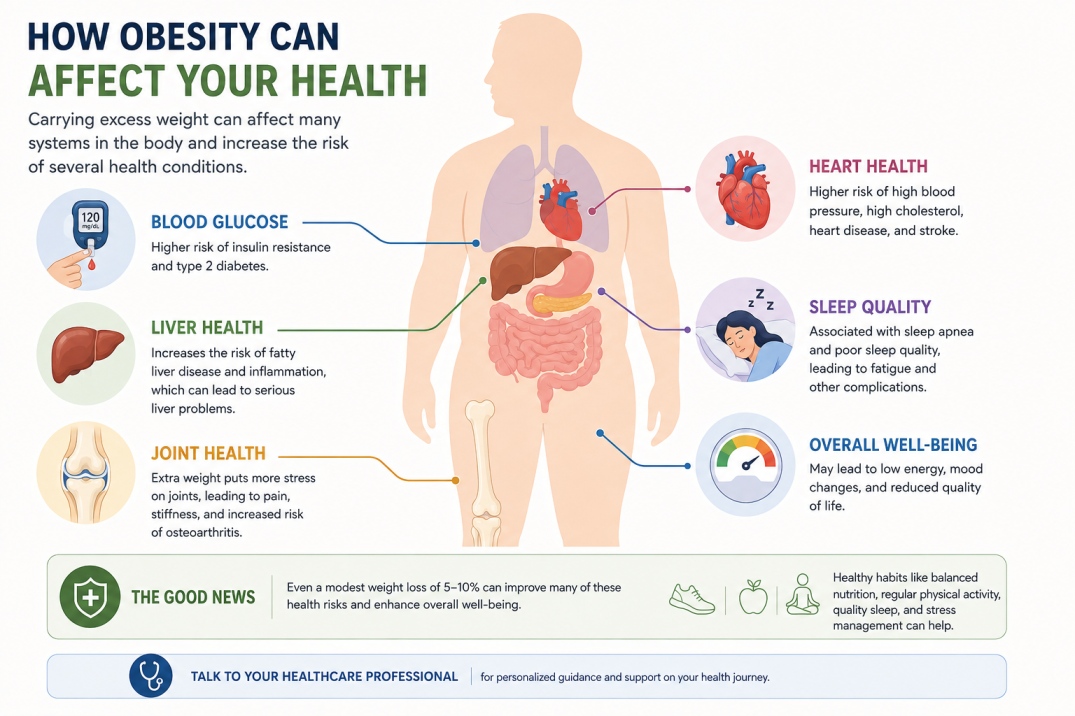
Obesity can increase the risk of several chronic health conditions.
However, individual risk varies depending on factors such as:
Fat distribution
Genetics
Age
Physical fitness
Blood pressure
Blood glucose
Cholesterol
Smoking
Other medical conditions
Potential obesity-related health risks include:
Type 2 diabetes
Cardiovascular disease
High blood pressure
Abnormal cholesterol levels
Fatty liver disease
Sleep apnea
Osteoarthritis
Certain cancers
Reproductive health problems
Reduced mobility
Obesity may also affect quality of life and physical function.
Obesity and Type 2 Diabetes
Obesity—particularly excess visceral fat—is strongly associated with insulin resistance.
Insulin resistance occurs when cells become less responsive to insulin.
Over time, this can contribute to elevated blood glucose and increase the risk of type 2 diabetes.
Strategies that may improve metabolic health include:
Weight loss when appropriate
Regular physical activity
Strength training
Balanced nutrition
Increased fiber intake
Adequate sleep
Even modest weight loss may improve certain metabolic health markers in some people.
Obesity and Heart Health
Obesity may increase the likelihood of several cardiovascular risk factors, including:
High blood pressure
Abnormal cholesterol
Insulin resistance
Type 2 diabetes
These factors can contribute to cardiovascular disease risk.
Healthy eating, regular exercise, appropriate weight management, and medical treatment of individual risk factors can support cardiovascular health.https://wellorafit.com/services/nutrition-diet-planning/
Obesity and Fatty Liver Disease
Excess body fat and insulin resistance can increase the risk of fat accumulation in the liver.
Fatty liver disease may progress in some individuals and can require medical monitoring.
Weight management, physical activity, and appropriate nutrition can play important roles in managing metabolic liver health.
Obesity and Sleep Apnea
Obesity is an important risk factor for obstructive sleep apnea.
Sleep apnea can cause repeated interruptions in breathing during sleep.
Possible symptoms include:
Loud snoring
Daytime sleepiness
Morning headaches
Poor-quality sleep
Untreated sleep apnea can affect cardiovascular and metabolic health.
Anyone experiencing symptoms should seek medical evaluation.
Obesity and Joint Health
Excess body weight can increase mechanical stress on weight-bearing joints.
This may contribute to:
Knee pain
Hip pain
Reduced mobility
Osteoarthritis symptoms
Weight management may help reduce joint load, while appropriate strength and mobility exercises can support physical function.
Exercise plans should be adapted for people experiencing significant joint pain or mobility limitations.
How Is Obesity Diagnosed?
Obesity assessment may involve more than measuring body weight.
Healthcare professionals may evaluate:
BMI
Waist circumference
Weight history
Blood pressure
Blood glucose
Lipid profile
Liver health
Sleep symptoms
Medications
Medical conditions
Eating patterns
Physical activity
Treatment decisions should consider both body weight and the presence of obesity-related health complications.
Evidence-Based Treatment for Obesity
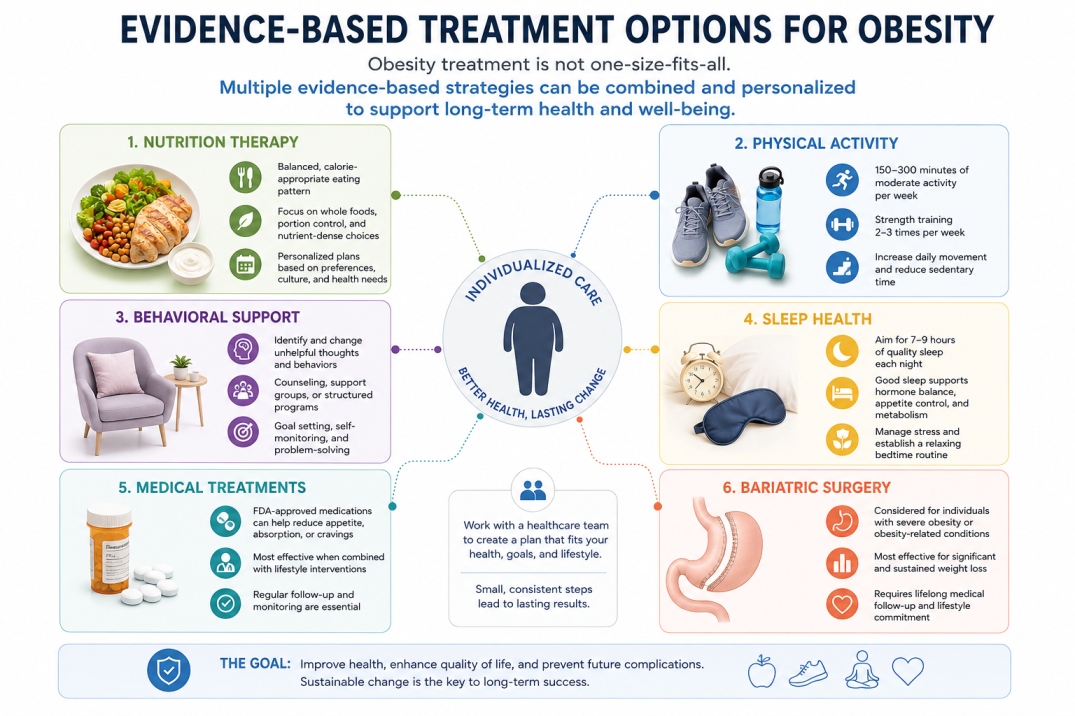
Obesity treatment should be individualized.
Depending on the person's health, severity of obesity, previous treatment attempts, and individual preferences, treatment may include:
Nutrition therapy
Physical activity
Behavioral interventions
Sleep improvement
Stress management
Weight-management medications
Metabolic or bariatric surgery
These approaches are not necessarily mutually exclusive.
Some people may benefit from combining several strategies.
1. Nutrition Therapy
There is no single diet that works best for every person with obesity.
Effective nutrition strategies generally aim to create a sustainable calorie deficit while maintaining adequate nutrition.
A balanced eating pattern may emphasize:
Vegetables
Whole fruits
Protein-rich foods
Pulses
Legumes
Whole grains
Appropriate amounts of healthy fats
Reducing frequent intake of:
Sugary beverages
Deep-fried foods
Sweets
Highly processed snacks
Large portions of calorie-dense foods
may help reduce overall calorie intake.
The best dietary approach is one that is nutritionally appropriate and can be maintained over the long term.
2. Protein and Weight Management
Protein can support weight management by:
Improving satiety
Supporting muscle maintenance
Supporting recovery from exercise
Protein sources include:
Vegetarian:
Dal
Chickpeas
Rajma
Paneer
Tofu
Soy
Plain curd
Non-vegetarian:
Eggs
Chicken
Fish
Protein requirements should be individualized according to health status, activity, age, and body weight.
3. Fiber and Weight Management
Fiber-rich foods may help improve fullness and support digestive and metabolic health.
Choose:
Vegetables
Whole fruits
Pulses
Beans
Whole grains
Nuts
Seeds
Increasing fiber gradually and maintaining adequate hydration can help improve tolerance.
4. Physical Activity
Physical activity supports:
Cardiovascular health
Fitness
Mobility
Insulin sensitivity
Weight management
Mental well-being
Activities may include:
Walking
Cycling
Swimming
Dancing
Low-impact exercise
The appropriate type and intensity of activity depend on individual fitness, mobility, and medical conditions.
For people who are currently inactive, starting gradually can make exercise safer and more sustainable.
5. Strength Training
Strength training is particularly valuable during weight loss because it can help preserve or build muscle.
Exercises may include:
Squats
Chair squats
Resistance bands
Wall push-ups
Weight training
Other resistance exercises
Programs should be adapted to individual ability.
People with significant joint problems or medical conditions may benefit from professional exercise guidance.
6. Behavioral Strategies
Long-term weight management involves more than knowing which foods to eat.
Behavioral strategies can help people understand and modify habits.
These may include:
Self-monitoring
Meal planning
Goal setting
Identifying triggers
Managing emotional eating
Improving the home food environment
Developing problem-solving skills
Building consistent routines
Professional behavioral support may be particularly useful for people struggling with repeated weight regain or disordered eating patterns.
7. Sleep and Stress Management
Sleep and stress can influence eating behavior and weight-management efforts.
Helpful strategies may include:
Maintaining consistent sleep schedules
Reducing late-night screen exposure
Managing caffeine intake
Practicing relaxation techniques
Walking
Meditation
Yoga
Seeking psychological support when needed
These strategies complement nutrition and exercise rather than replacing them.
Weight-Loss Medications
For some individuals, lifestyle changes alone may not produce sufficient weight loss or improvement in obesity-related health risks.
Prescription weight-management medications may be considered as part of comprehensive obesity treatment for eligible patients.
These medications may work through mechanisms such as:
Reducing appetite
Increasing fullness
Affecting pathways involved in weight regulation
Some newer medications act on hormone pathways involved in appetite and glucose regulation.
However, weight-loss medications:
Are not suitable for everyone
Can have side effects
May have contraindications
Require professional assessment
Should be combined with appropriate nutrition and lifestyle support
Medication decisions should be made with a qualified healthcare professional based on individual health needs.
GLP-1 Medications and Obesity
GLP-1-based and related medications have become increasingly important in medical obesity management.
These medications can influence appetite and satiety and may help eligible patients achieve clinically meaningful weight loss.
However, they should not be viewed as cosmetic quick fixes.
Treatment requires appropriate medical evaluation and ongoing monitoring.
Potential considerations include:
Side effects
Contraindications
Nutritional adequacy
Muscle preservation
Long-term treatment planning
Adequate protein intake, resistance exercise, and balanced nutrition may be particularly important during significant medication-assisted weight loss to support lean body mass.
Bariatric and Metabolic Surgery
Metabolic and bariatric surgery may be considered for some people with severe obesity or significant obesity-related health conditions.
Common procedures include:
Sleeve gastrectomy
Gastric bypass
Eligibility depends on factors such as:
BMI
Medical conditions
Previous treatment attempts
Overall health
Surgery can produce substantial weight loss and improve certain obesity-related conditions.
However, it requires:
Medical evaluation
Nutritional monitoring
Long-term follow-up
Lifestyle changes
Vitamin and mineral supplementation when prescribed
Surgery is a medical treatment for obesity, not an easy shortcut.
Obesity Treatment Is Not One-Size-Fits-All
Two people with obesity may require very different treatment strategies.
One person may benefit from:
Nutrition changes
Walking
Strength training
Another may require:
Medical evaluation
Behavioral therapy
Medication
Someone else may be a candidate for bariatric surgery.
Treatment should consider:
Medical history
Weight history
Eating patterns
Physical activity
Sleep
Psychological health
Medications
Personal preferences
Previous weight-loss attempts
Personalized care can improve both safety and long-term success.
Sample Balanced Indian Meal Plan for Weight Management
This is a general example and is not a substitute for an individualized treatment plan.
Breakfast
Choose one:
Moong dal chilla + paneer filling
Besan chilla + plain curd
Vegetable oats + protein source
Paneer or tofu bhurji + whole-wheat roti
Vegetable omelette + whole-grain toast
Mid-Morning
Choose one:
Whole fruit
Plain curd
Unsweetened buttermilk
Lunch
Choose one:
Dal + 2 small rotis + vegetable sabzi + salad
Rajma + controlled rice portion + vegetables
Paneer/tofu + roti + vegetables
Grilled chicken + roti + salad
Fish + controlled rice portion + vegetables
Evening Snack
Choose one:
Roasted chana
Sprouts
Plain curd
Boiled egg
Roasted makhana
Dinner
Choose one:
Dal + vegetables + 1–2 rotis
Paneer/tofu bhurji + vegetables
Grilled chicken + vegetables + controlled whole-grain portion
Fish + vegetables + controlled rice portion
Vegetable dal khichdi + curd
Individual portions should be adjusted according to calorie requirements, medical conditions, activity levels, and treatment goals.

Common Obesity Myths vs Facts
Myth 1: Obesity Is Simply Caused by Lack of Willpower
Fact: Obesity is influenced by complex biological, genetic, environmental, behavioral, medical, and social factors.
Myth 2: Everyone with Obesity Eats Too Much
Fact: Eating patterns are only one part of weight regulation. Genetics, medications, medical conditions, environment, activity, and other factors can also influence body weight.
Myth 3: You Must Follow an Extreme Diet
Fact: Extreme diets are often difficult to maintain. Sustainable nutrition changes are generally more practical for long-term weight management.
Myth 4: Exercise Alone Is Enough
Fact: Exercise provides important health benefits, but effective obesity management often requires a combination of nutrition, physical activity, behavior change, and sometimes medical treatment.
Myth 5: Weight-Loss Medication Is Cheating
Fact: Prescription medications are legitimate medical treatments that may be appropriate for eligible patients under professional supervision.
Myth 6: Bariatric Surgery Is the Easy Way Out
Fact: Bariatric surgery is a medical treatment that requires significant preparation, long-term lifestyle changes, nutritional monitoring, and follow-up.
Myth 7: Losing Weight Quickly Is Always Better
Fact: Rapid weight loss is not always appropriate or sustainable. The best rate and method of weight loss depend on individual health and treatment circumstances.
Can Obesity Be Prevented?
Not every case of obesity can be prevented through lifestyle choices alone because genetic, biological, environmental, and medical factors also contribute.
However, supportive habits may reduce the risk of excess weight gain and improve overall health.
These include:
Eating balanced meals
Limiting frequent highly processed foods
Staying physically active
Reducing sedentary time
Getting adequate sleep
Managing stress
Monitoring health markers
Seeking professional support early when weight is becoming difficult to manage
Creating supportive family, workplace, and community environments can also make healthy choices easier.
When to Seek Professional Help
Consider speaking with a healthcare professional if:
Weight is affecting your physical health.
You have type 2 diabetes or prediabetes.
You have high blood pressure or abnormal cholesterol.
You have symptoms of sleep apnea.
You experience rapid unexplained weight gain.
Weight affects mobility or joint health.
You have repeatedly lost and regained significant weight.
You are interested in prescription weight-management medication.
You want to know whether bariatric surgery may be appropriate.
Your relationship with food is causing significant distress.
A qualified healthcare team can assess your individual health and help create an appropriate treatment strategy.
Obesity Management Checklist
✔ Understand that obesity is a complex chronic condition.
✔ Assess overall health, not body weight alone.
✔ Consider BMI alongside other health markers.
✔ Monitor waist circumference when appropriate.
✔ Focus on sustainable nutrition.
✔ Include adequate protein.
✔ Eat fiber-rich foods.
✔ Practice appropriate portion control.
✔ Increase regular physical activity.
✔ Include strength training.
✔ Reduce sedentary time.
✔ Prioritize adequate sleep.
✔ Manage chronic stress.
✔ Address emotional or behavioral eating when needed.
✔ Review medications with a healthcare professional when appropriate.
✔ Consider evidence-based medical treatments if eligible.
✔ Avoid unproven quick-fix weight-loss products.
✔ Focus on long-term health improvements.
Key Takeaways
Obesity is a complex chronic health condition influenced by biological, genetic, environmental, behavioral, social, and medical factors.
BMI is a useful screening tool but does not provide a complete assessment of individual health.
Abdominal and visceral fat distribution can influence metabolic risk.
Obesity is associated with increased risk of type 2 diabetes, cardiovascular disease, fatty liver disease, sleep apnea, and other health conditions.
Effective treatment should be individualized.
Nutrition, physical activity, strength training, behavioral strategies, sleep, and stress management can all play important roles.
Prescription weight-management medications may be appropriate for some eligible patients.
Metabolic and bariatric surgery is an evidence-based treatment option for selected individuals.
Obesity management is not simply about willpower.
The goal of treatment should include improving health, physical function, quality of life, and long-term well-being—not just changing the number on the scale.
Conclusion
Obesity is much more complex than the outdated idea of simply "eating less and moving more."
Body weight is influenced by a combination of genetics, biology, environment, nutrition, physical activity, sleep, stress, medical conditions, medications, and behavioral factors.
Because the causes vary between individuals, effective treatment must also be personalized.
For some people, structured nutrition changes and increased physical activity may produce meaningful improvements. Others may benefit from behavioral therapy, medical treatment, prescription weight-management medications, or metabolic and bariatric surgery.
The most important goal is not necessarily achieving a specific body size.
Successful obesity treatment should aim to improve metabolic health, reduce disease risk, maintain muscle and physical function, improve mobility, support psychological well-being, and enhance quality of life.
If weight is affecting your health, professional support can help identify the factors contributing to weight gain and determine which evidence-based treatment options are most appropriate for you.
A sustainable, individualized, and medically informed approach offers a stronger foundation for long-term weight management than extreme diets, quick fixes, or one-size-fits-all solutions.
FAQ Schema
1. What is obesity?
Obesity is a chronic health condition characterized by excessive or abnormal body fat accumulation that may negatively affect health.
2. What causes obesity?
Obesity can result from a combination of genetics, biology, calorie intake, physical activity, environment, sleep, stress, medical conditions, medications, and behavioral or social factors.
3. How is obesity diagnosed?
BMI is commonly used as a screening tool, but healthcare professionals may also consider waist circumference, medical history, blood pressure, blood glucose, cholesterol, and other health markers.
4. What are the main health risks of obesity?
Obesity is associated with increased risk of type 2 diabetes, cardiovascular disease, high blood pressure, fatty liver disease, sleep apnea, joint problems, and other health conditions.
5. Can obesity be treated with diet and exercise?
Nutrition and physical activity are important parts of treatment, but some people may also benefit from behavioral support, medication, or bariatric surgery.
6. Are weight-loss medications effective for obesity?
Prescription weight-management medications can help eligible patients when used under professional medical supervision and combined with appropriate nutrition and lifestyle support.
7. What are GLP-1 medications?
GLP-1-based and related medications influence pathways involved in appetite, satiety, and glucose regulation. Some are used for obesity treatment in eligible patients under medical supervision.
8. Is bariatric surgery a treatment for obesity?
Yes. Metabolic and bariatric surgery is an evidence-based treatment option for selected individuals with severe obesity or significant obesity-related health conditions.
9. Is obesity caused by lack of willpower?
No. Obesity is influenced by complex biological, genetic, environmental, behavioral, medical, and social factors. Willpower alone does not explain the condition.
10. Can losing a modest amount of weight improve health?
For many people with excess weight, even modest weight loss may improve certain health markers, although individual results vary.
Ready to Begin Your Health Journey?
Get a personalized, medically guided plan built around your unique biology.