The Connection Between Nutrition and Brain Health
Your brain is working every day—even when you are sleeping.
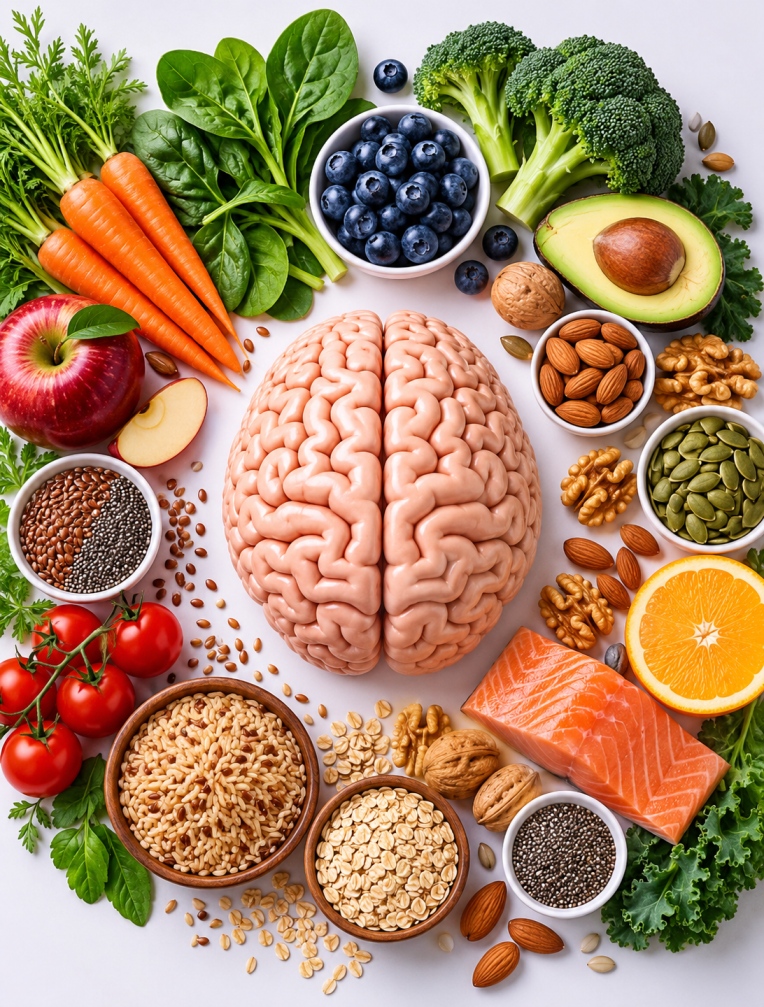
It helps you think, remember, learn, concentrate, regulate emotions, coordinate movement and make decisions. Like every other organ, the brain depends on an adequate supply of energy and nutrients to function.
This does not mean that one particular food can suddenly make you smarter or that one "superfood" can prevent memory problems.
Brain health is influenced by the overall pattern of your diet, physical activity, sleep, blood pressure, blood sugar, cholesterol, smoking, alcohol use and other lifestyle factors.
Research suggests that healthy eating patterns are associated with better cognitive health, while managing cardiovascular and metabolic health may also support long-term brain health.
So instead of asking:
"Which food is best for the brain?"
A better question is:
"What does a brain-supportive diet look like overall?"
https://www.nia.nih.gov/health/brain-health
What Is Brain Health?
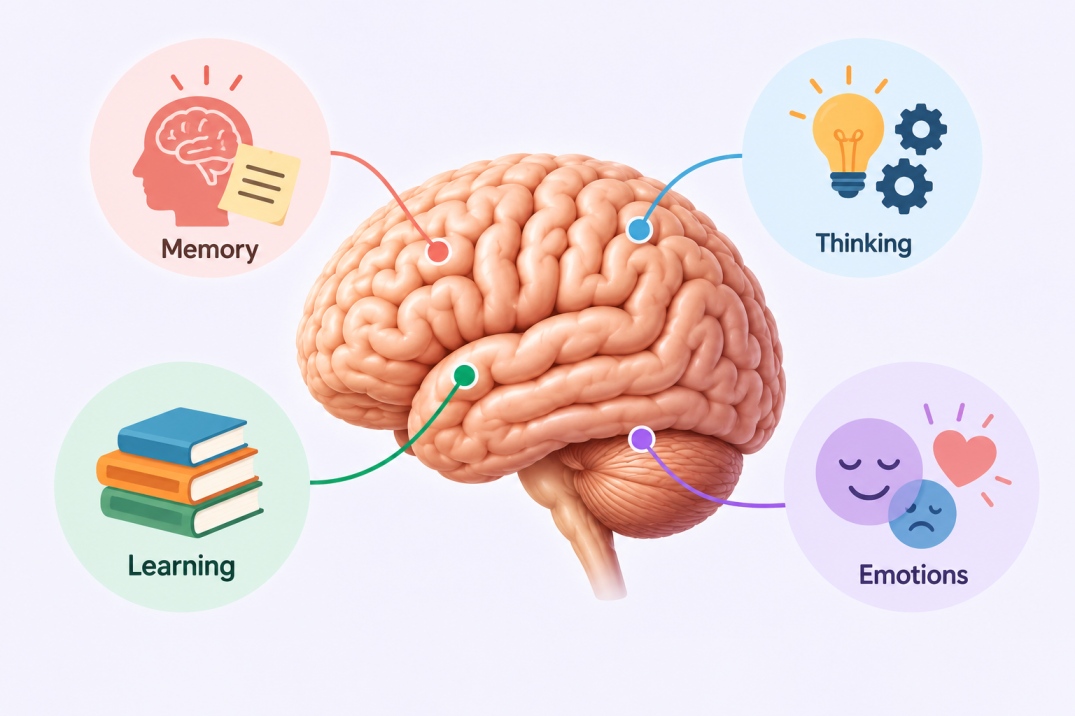
Brain health is broader than memory alone.
It includes different aspects of how the brain functions, including:
Thinking
Learning
Remembering
Concentration
Decision-making
Emotional function
Sensory processing
Motor function
Communication
Cognitive health specifically refers to the ability to think, learn and remember clearly.
Brain health changes throughout life. Age is one factor, but brain function is also influenced by cardiovascular health, metabolic health, physical activity, sleep, social engagement, smoking, alcohol and other environmental and lifestyle factors.
This is why nutrition should not be viewed separately from the rest of your lifestyle.https://www.nia.nih.gov/health/brain-health
How Does Nutrition Affect the Brain?
The brain requires a continuous supply of energy and nutrients.
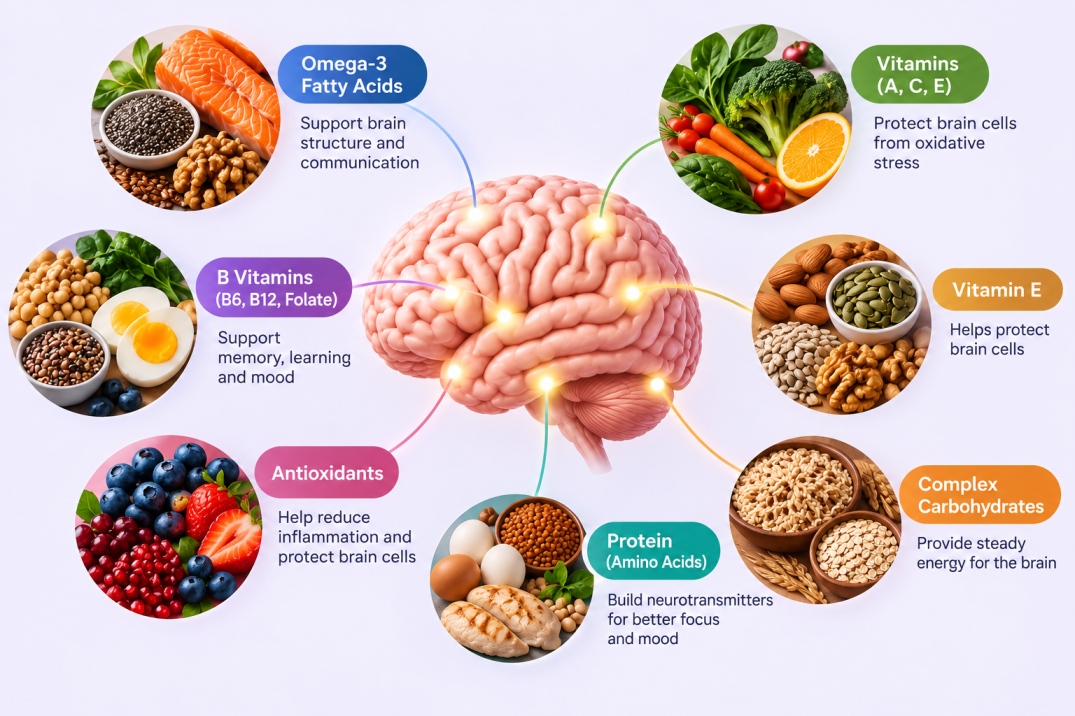
Food provides:
Energy for brain cells
Amino acids for proteins and neurotransmitter-related processes
Fatty acids that form part of cell membranes
Vitamins and minerals involved in metabolism
Antioxidant compounds
Fiber that supports gut health
Fluids needed for normal body function
A consistently unbalanced diet can make it harder to meet nutritional requirements.
On the other hand, a varied and balanced diet can provide the nutrients needed for normal brain and body function. https://www.nia.nih.gov/health/cognitive-health-and-older-adults
The important point is that brain health is not about one isolated nutrient—it is about dietary quality over time.
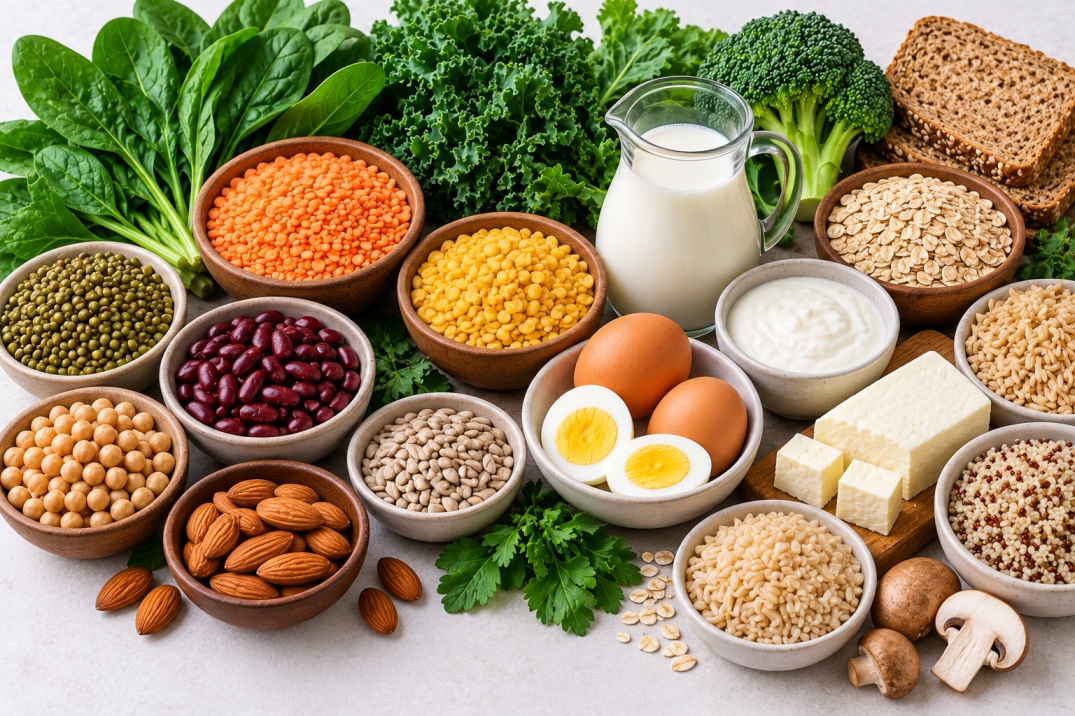
1. Protein: Building Blocks for the Body and Brain
Protein is often discussed in relation to muscles, but it has many other important functions.
Proteins are made up of amino acids, which the body uses to build and maintain tissues and produce numerous important molecules.
For brain-supportive nutrition, regularly including adequate protein can help create a more balanced meal and improve overall nutritional adequacy.
Indian sources of protein include:
Dal
Rajma
Chole
Lobia
Moong
Masoor
Soy and tofu
Paneer
Curd
Milk
Eggs
Fish
Chicken
Nuts and seeds
Simple meal idea:
Instead of having a meal consisting mainly of carbohydrates:
Rice + potato
try:
Rice + dal + mixed vegetables + curd
This provides a broader combination of carbohydrates, protein, fiber, vitamins and minerals.
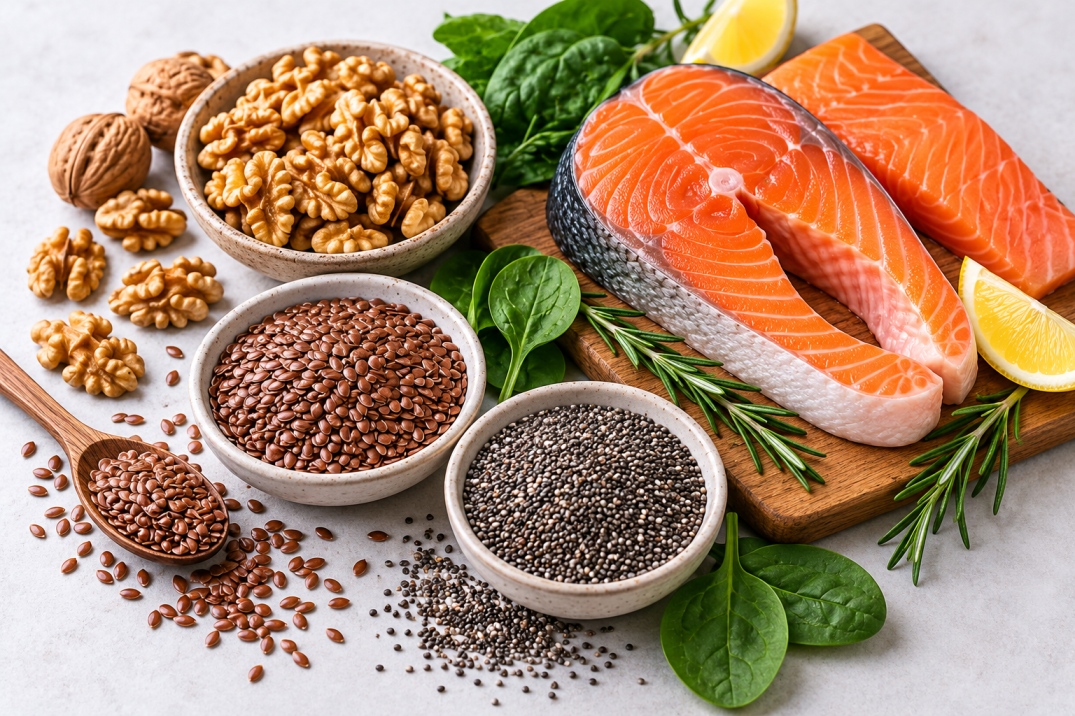
2. Omega-3 Fatty Acids and Brain Health
Omega-3 fatty acids are important polyunsaturated fats.
DHA, one type of long-chain omega-3 fatty acid, is particularly abundant in the brain and plays an important structural role in cell membranes.
Food sources include:
Non-vegetarian sources
Fatty fish such as sardines
Salmon
Mackerel
Other oily fish
Vegetarian sources
Flaxseeds
Chia seeds
Walnuts
Soy foods
Plant foods mainly provide ALA, while fish provides the long-chain omega-3 fatty acids EPA and DHA.
The body can convert ALA to EPA and DHA, but the conversion is limited.
Important point:
Omega-3 is important for normal health, but taking an omega-3 supplement does not automatically improve memory or prevent dementia.
Research on omega-3 intake and cognitive health is mixed, and clinical trials have generally not shown a clear cognitive benefit from omega-3 supplementation in healthy older adults or people with Alzheimer's disease.
The latest WHO guidance also does not recommend omega-3 supplementation specifically for reducing cognitive decline or dementia risk in people without a diagnosed deficiency.
So, when possible, focus first on obtaining nutrients through a balanced diet.
3. Antioxidants and the Brain
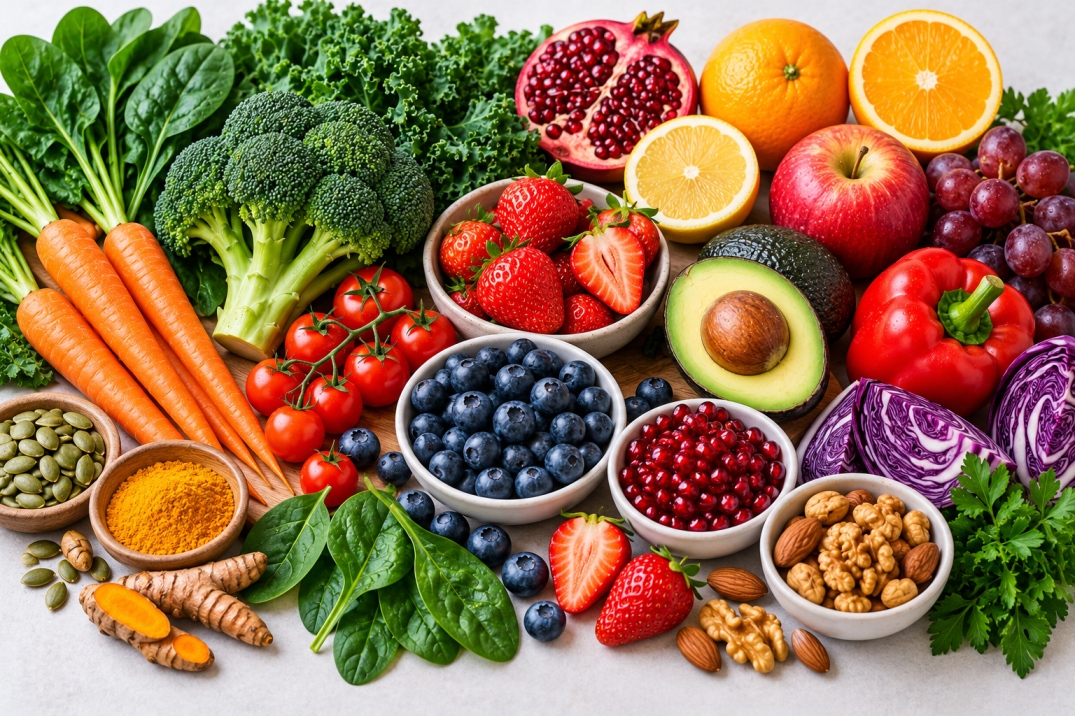
The brain has a high metabolic demand and is vulnerable to oxidative stress.
Fruits and vegetables provide a wide variety of antioxidant compounds and other plant nutrients.
Instead of focusing on a single "brain antioxidant," aim for variety and color.
Include:
Berries
Guava
Amla
Oranges
Papaya
Pomegranate
Tomatoes
Carrots
Capsicum
Spinach
Methi
Other green leafy vegetables
Indian diets can easily incorporate antioxidant-rich foods without relying on expensive imported "superfoods."
For example:
Breakfast: Vegetable poha + fruit
Lunch: Dal + roti + leafy vegetable + salad
Snack: Guava + handful of nuts
Dinner: Vegetable khichdi + curd + vegetables
The overall dietary pattern matters more than one particular food.
4. B Vitamins and Brain Function
Several B vitamins are involved in energy metabolism and normal nervous-system function.
Important B vitamins include:
Vitamin B1
Vitamin B2
Vitamin B3
Vitamin B6
Folate
Vitamin B12
They can be obtained from a variety of foods.
Sources include:
Whole grains
Pulses
Green leafy vegetables
Milk and dairy products
Eggs
Fish
Meat
Nuts and seeds
Vitamin B12 deserves particular attention because natural B12 is mainly found in animal-derived foods, while some foods are fortified.
People following a strict vegan diet may need fortified foods or supplementation based on individual requirements.
Important:
Fatigue, poor concentration or memory problems should not automatically be attributed to a vitamin deficiency.
If symptoms are persistent, appropriate medical evaluation is important.https://wellorafit.com/services/nutrition-diet-planning/
5. Iron and Brain Function
Iron is involved in oxygen transport and many biological processes.
Iron deficiency can affect energy levels and overall wellbeing, and severe deficiency can have neurological consequences.
Indian iron-rich foods include:
Lentils
Rajma
Chole
Soybeans
Green leafy vegetables
Sesame seeds
Pumpkin seeds
Nuts
Meat
Eggs
Improve plant-iron absorption
Pair plant sources of iron with vitamin-C-rich foods.
For example:
Dal + lemon
Chana + tomato
Palak + lemon
Sprouts + amla
This is especially useful when most dietary iron comes from plant sources.
6. Healthy Fats Matter
Not all fats should be treated the same.
A brain-supportive eating pattern can include sources of unsaturated fats such as:
Nuts
Seeds
Peanuts
Sesame
Flaxseeds
Chia seeds
Fish
Plant oils used appropriately
At the same time, a balanced diet should avoid relying heavily on foods high in saturated and trans fats, highly processed foods and excess calories.
The goal is not to eliminate fat.
The goal is to choose better sources and appropriate portions.
7. Fiber: The Brain-Gut Connection
Fiber is commonly associated with digestion and weight management, but its importance goes beyond that.
Fiber-rich foods support a healthy gut environment.
Good sources include:
Whole grains
Oats
Barley
Millets
Dal
Beans
Chickpeas
Vegetables
Fruits
Nuts
Seeds
The gut and brain communicate through multiple pathways, often referred to as the gut-brain axis.
This is an active area of research, and scientists are continuing to investigate how gut microorganisms, dietary patterns and metabolic signals interact with brain health.
Practical takeaway:
Instead of chasing a "brain supplement," start by increasing the variety of whole plant foods in your diet.https://wellorafit.com/services/nutrition-diet-planning/
8. Hydration and Brain Function
Water is essential for normal body function.
Even relatively mild fluid losses can affect how you feel and function, particularly when combined with heat, exercise or illness.
Signs that you may need more fluids can include:
Thirst
Dry mouth
Darker urine
Headache
Fatigue
Rather than waiting until you are very thirsty, maintain regular fluid intake throughout the day.
Indian hydration options:
Plain water
Buttermilk
Unsweetened lemon water
Coconut water in appropriate portions
Soups
Water-rich fruits and vegetables
Sugary beverages do not need to be the default solution for hydration.
9. Whole Grains for Steady Meals
The brain requires glucose as an important energy source.
This does not mean that eating sugar is necessary for brain health.
Carbohydrate-containing foods such as whole grains, fruits, vegetables and legumes can form part of a balanced diet.
Choose more often:
Whole wheat
Oats
Barley
Brown rice
Millets
Dalia
Whole-grain breads
Beans and lentils
The better approach is to combine carbohydrates with protein, fiber and healthy fats.
Example:
Instead of:
Plain white bread + sugary spread
try:
Whole-grain bread + egg/paneer + vegetables
Instead of:
Large bowl of plain rice
try:
Moderate rice portion + dal + vegetables + curd
10. Why Blood Sugar and Brain Health Are Connected
Brain health is closely connected with overall metabolic health.
Conditions such as diabetes and high blood pressure are among the health factors associated with increased risk of cognitive decline and dementia.
WHO's current dementia risk-reduction guidance emphasizes healthy dietary patterns along with management of conditions such as hypertension, diabetes and high cholesterol.
This is another reason why a brain-supportive diet does not need to be a special "brain diet."
A diet that supports:
Healthy blood pressure
Healthy blood glucose
Healthy cholesterol levels
Appropriate body weight
Cardiovascular health
can also support long-term brain health.
What Does a Brain-Healthy Indian Plate Look Like?
You do not need to completely change your cuisine.
A traditional Indian meal can be adapted to include a variety of brain-supportive foods.
Example 1: Vegetarian lunch
2 phulkas + dal + mixed vegetable sabzi + curd + salad
Example 2: Rice-based meal
Moderate portion rice + rajma/dal + vegetable sabzi + salad
Example 3: Breakfast
Moong chilla + curd + fruit
Example 4: Snack
Fruit + handful of walnuts
Example 5: Non-vegetarian meal
Fish + roti + vegetables + salad
The goal is balance, variety and consistency, not perfection.
Brain-Supportive Foods to Include Regularly
Food Group
Examples
Whole grains
Oats, dalia, whole wheat, barley, millets
Pulses
Dal, rajma, chole, lobia, moong
Vegetables
Spinach, methi, carrots, tomatoes, capsicum
Fruits
Guava, amla, oranges, berries, papaya, pomegranate
Nuts
Walnuts, almonds, peanuts
Seeds
Flaxseeds, chia, sesame, pumpkin seeds
Dairy
Curd, milk, paneer
Eggs
Eggs
Fish
Sardines, mackerel, salmon
Healthy fats
Nuts, seeds and appropriate plant oils
Fermented foods
Curd and other suitable fermented foods
Fluids
Water, buttermilk and other low-sugar options
Mediterranean and MIND Diets: What Does the Research Say?
You may have heard about the Mediterranean diet or the MIND diet in discussions about brain health.
The Mediterranean diet generally emphasizes:
Vegetables
Fruits
Whole grains
Legumes
Fish
Nuts
Unsaturated fats
The MIND diet combines features of the Mediterranean and DASH dietary patterns, with particular emphasis on foods such as leafy green vegetables, other vegetables, berries, whole grains, beans and nuts.
Observational studies have associated these dietary patterns with better cognitive outcomes.
However, this does not mean they have been proven to prevent dementia in every person.
The National Institute on Aging notes that evidence regarding specific dietary patterns and cognitive health remains mixed, and further research is needed.
A 2024 observational analysis also found that closer adherence to a MIND-style diet was associated with lower cognitive impairment and slower cognitive decline, but the researchers emphasized the need for additional research.
The practical lesson for an Indian diet
You do not need to copy a Mediterranean menu.
Instead, you can adopt its broader principles:
More vegetables + fruits + whole grains + legumes + nuts/seeds + healthy fats + appropriate protein
while keeping the foods culturally familiar.
Foods to Limit for Better Brain and Overall Health
There is no single food that needs to be completely banned for brain health.
However, a healthy dietary pattern generally limits frequent intake of:
Highly processed snacks
Sugary drinks
Excess sweets
Deep-fried foods
Foods high in trans fats
Excessively salty packaged foods
Highly refined carbohydrate-heavy meals
Excess alcohol
The goal is not perfection.
It is to make nutrient-dense foods the foundation of the diet.
Does Sugar Harm the Brain?
This question needs some nuance.
Eating sugar does not mean that your brain is immediately being "damaged."
Glucose is an important energy source for the body and brain.
The concern is more about overall dietary quality and metabolic health, particularly when a diet is consistently high in added sugars and excess calories.
Regularly consuming large amounts of sugary beverages, sweets and highly processed foods can contribute to excess energy intake and metabolic problems.
Therefore, instead of fearing every gram of sugar, focus on:
overall dietary pattern + portion size + metabolic health + food quality.
Do Nuts Really Help Brain Health?
Nuts are nutrient-dense foods that provide:
Unsaturated fats
Protein
Fiber
Vitamin E
Minerals
Plant compounds
Walnuts are also a source of ALA omega-3 fatty acid.
A small portion can therefore fit well into a balanced diet.
Practical portion:
A small handful of mixed nuts can be used as a snack.
But remember:
Healthy does not mean unlimited.
Nuts are energy-dense, so portions still matter.
Can Food Improve Memory and Concentration?
Nutrition can support the normal functioning of the brain, but food should not be presented as a guaranteed treatment for memory problems.
Concentration can be influenced by many factors, including:
Sleep
Stress
Hydration
Meal pattern
Physical activity
Medical conditions
Medication
Nutrient deficiencies
Mental health
Work environment
If someone has persistent or worsening memory problems, confusion or difficulty performing daily activities, they should speak with a healthcare professional rather than trying to solve the problem with food alone.
Brain Health Is More Than Nutrition
Nutrition is important, but it is only one piece of the puzzle.
WHO's updated 2026 guidance emphasizes a multidimensional approach to reducing the risk of cognitive decline and dementia, including physical activity, healthy diet, management of conditions such as hypertension and diabetes, smoking cessation, reduced harmful alcohol use and other lifestyle and environmental factors.
Build a Brain-Supportive Lifestyle
1. Move regularly
Physical activity supports cardiovascular and overall health.
2. Prioritize sleep
Poor sleep can affect attention, mood and cognitive performance.
3. Manage blood pressure
High blood pressure is an important cardiovascular and brain-health risk factor.
4. Manage blood sugar
Good diabetes management is part of long-term health.
5. Don't smoke
Smoking is a modifiable risk factor for several chronic diseases, including those affecting cardiovascular and brain health.
6. Stay socially connected
Social engagement is another component of healthy aging.
7. Keep learning
Reading, learning new skills and mentally engaging activities can contribute to cognitive stimulation.
8. Maintain a balanced diet
Make nutrient-dense foods the foundation rather than relying on supplements or "brain boosters."
A Simple Daily Brain-Supportive Eating Pattern
Here is an example of how these principles can fit into a regular Indian diet.
Early Morning
Water + a few nuts
Breakfast
Moong chilla + curd + fruit
Mid-Morning
Guava / orange / papaya
Lunch
2 phulkas + dal + seasonal vegetable + curd + salad
Evening Snack
Roasted chana + unsweetened tea
Dinner
Vegetable khichdi + curd + vegetable side
Optional Non-Vegetarian Variation
Replace the dal or another protein source with:
Fish/egg/chicken + whole grain + vegetables
This is not a therapeutic diet or a dementia-prevention meal plan. It is simply an example of how balanced nutrition can support overall health.
10 Simple Habits for Better Brain Nutrition
You do not need a complicated diet.
Start with these:
1. Add one fruit every day
Choose seasonal fruits whenever possible.
2. Include vegetables at lunch and dinner
Aim for variety rather than eating the same vegetable every day.
3. Include protein in every main meal
Use dal, beans, dairy, eggs, fish, chicken, soy or other suitable sources.
4. Add nuts or seeds in controlled portions
Rotate walnuts, almonds, peanuts, flaxseeds, chia or sesame.
5. Choose whole grains more often
Use whole wheat, oats, dalia, barley or millets as appropriate.
6. Drink enough water
Make water your primary beverage.
7. Reduce ultra-processed snacks
Keep packaged snacks occasional rather than routine.
8. Don't depend on supplements
Supplements should address a specific need or deficiency rather than replace a balanced diet.
9. Look at your whole plate
Don't judge a meal only by whether it contains one "healthy" ingredient.
10. Think long term
Brain-supportive nutrition is about consistent habits rather than a short-term detox or food challenge.
Common Brain Health Nutrition Myths
Myth 1: "One superfood can improve memory."
Reality: No single food can compensate for an overall poor diet or unhealthy lifestyle.
Myth 2: "Eating more omega-3 automatically prevents dementia."
Reality: Omega-3 fatty acids are important nutrients, but evidence does not support taking omega-3 supplements specifically to prevent cognitive decline in people without a diagnosed deficiency.
Myth 3: "Carbohydrates are bad for the brain."
Reality: The brain uses glucose as an important energy source. The quality, quantity and context of carbohydrate intake matter.
Myth 4: "You need expensive imported foods for brain health."
Reality: Indian foods such as dal, vegetables, fruits, nuts, seeds, whole grains, curd and fish can provide many important nutrients.
Myth 5: "A supplement is better than food."
Reality: Supplements can be useful when there is a diagnosed deficiency or specific clinical indication, but they are not a replacement for a balanced dietary pattern.
The Bottom Line
Your brain does not need a perfect diet.
It needs a consistent supply of adequate nutrition within an overall healthy lifestyle.
A brain-supportive diet can include:
Vegetables + fruits + whole grains + pulses + protein + nuts/seeds + healthy fats + adequate fluids
along with attention to blood pressure, blood sugar, cholesterol, physical activity, sleep and other lifestyle factors.
The most useful approach is not to search for one magical "brain food."
Instead, build a dietary pattern that supports your whole body—and your brain benefits as part of that bigger picture.
Key Takeaways
Brain health includes thinking, learning, memory, emotional, sensory and motor functions.
Nutrition provides the energy and nutrients required for normal brain function.
Protein, omega-3 fatty acids, B vitamins, iron, fiber, antioxidants and other nutrients have important roles in overall health.
A varied diet is more useful than focusing on one "superfood."
Indian foods can easily form part of a brain-supportive dietary pattern.
Omega-3 supplements should not be treated as a guaranteed memory or dementia-prevention strategy.
Healthy dietary patterns such as Mediterranean- and MIND-style diets have shown promising associations with cognitive health, but evidence is not conclusive.
Brain health also depends on physical activity, sleep, blood pressure, blood sugar, cholesterol, smoking, alcohol and social/cognitive engagement.
Persistent memory or cognitive problems should be medically evaluated rather than treated through diet alone.
Frequently Asked Questions
1. How does nutrition affect brain health?
Nutrition provides energy, protein, fats, vitamins, minerals and other compounds needed for normal brain and nervous-system function. Overall dietary quality also contributes to cardiovascular and metabolic health, which are relevant to long-term brain health.
2. What foods are good for brain health?
Vegetables, fruits, whole grains, pulses, nuts, seeds, healthy fats and appropriate protein sources such as eggs and fish can form part of a brain-supportive diet.
3. Which nutrients are important for brain function?
Several nutrients contribute to normal health and nervous-system function, including protein, omega-3 fatty acids, B vitamins, iron and various vitamins and minerals.
4. Is omega-3 good for the brain?
Omega-3 fatty acids, particularly DHA, are important components of brain cell membranes. However, evidence that omega-3 supplementation prevents cognitive decline is not conclusive.
5. Can diet improve memory and concentration?
A balanced diet can support normal brain function, but memory and concentration depend on many factors, including sleep, stress, hydration, physical activity, medical conditions and medications.
6. Are nuts good for brain health?
Nuts provide healthy unsaturated fats, protein, fiber, vitamin E and minerals. They can be included regularly in appropriate portions.
7. Does hydration affect brain function?
Adequate hydration supports normal body function. Maintaining regular fluid intake is particularly important during heat, exercise or illness.
8. How does gut health relate to brain health?
The gut and brain communicate through multiple biological pathways. The gut-brain connection is an active area of research, and fiber-rich plant foods can support a healthy gut environment.
9. What is the best diet for brain health?
There is no single universally proven "best" brain diet. Dietary patterns emphasizing vegetables, fruits, whole grains, legumes, nuts, healthy fats and appropriate protein are consistent with many healthy-eating recommendations.
10. Can an Indian diet support brain health?
Yes. An Indian diet can include many brain-supportive foods such as dal, beans, vegetables, fruits, whole grains, nuts, seeds, curd, eggs and fish.
11. Which foods should I limit for better brain health?
Limit frequent intake of highly processed foods, sugary beverages, excess sweets, deep-fried foods, foods high in trans fats and excessive alcohol.
12. Does sugar affect brain health?
The issue is not that all sugar is harmful to the brain. The bigger concern is consistently high intake of added sugars and excess calories as part of an overall poor dietary pattern and its effects on metabolic health.
13. Is breakfast important for concentration?
Breakfast can be one way to provide energy and nutrients, but the importance of breakfast varies between individuals. Overall dietary quality and adequacy across the day are more important than treating breakfast as a mandatory "brain-boosting" meal.
14. Can nutrition support healthy brain aging?
Yes. Healthy eating is one component of a broader lifestyle approach to maintaining health as people age. Current WHO guidance emphasizes healthy diet alongside physical activity and management of conditions such as high blood pressure, diabetes and high cholesterol.
15. What lifestyle habits support brain health besides diet?
Regular physical activity, adequate sleep, not smoking, limiting harmful alcohol use, managing blood pressure and blood sugar, maintaining social engagement and staying cognitively active can all contribute to brain health.
Ready to Begin Your Health Journey?
Get a personalized, medically guided plan built around your unique biology.