Best Micronutrients: Nutrients Your Body Needs Daily
You may have heard that your body needs carbohydrates, protein and fats every day.
These are called macronutrients because the body needs them in relatively large amounts.
But there is another group of nutrients that the body needs in much smaller quantities — yet they are essential for normal growth, metabolism and health.
These are micronutrients.
Micronutrients include vitamins and minerals, as well as other substances such as phytonutrients that contribute to healthy dietary patterns. ICMR–NIN describes vitamins and minerals as micronutrients that are required in smaller amounts but are essential for physiological and biochemical processes in the body.
The word "micro" does not mean unimportant.
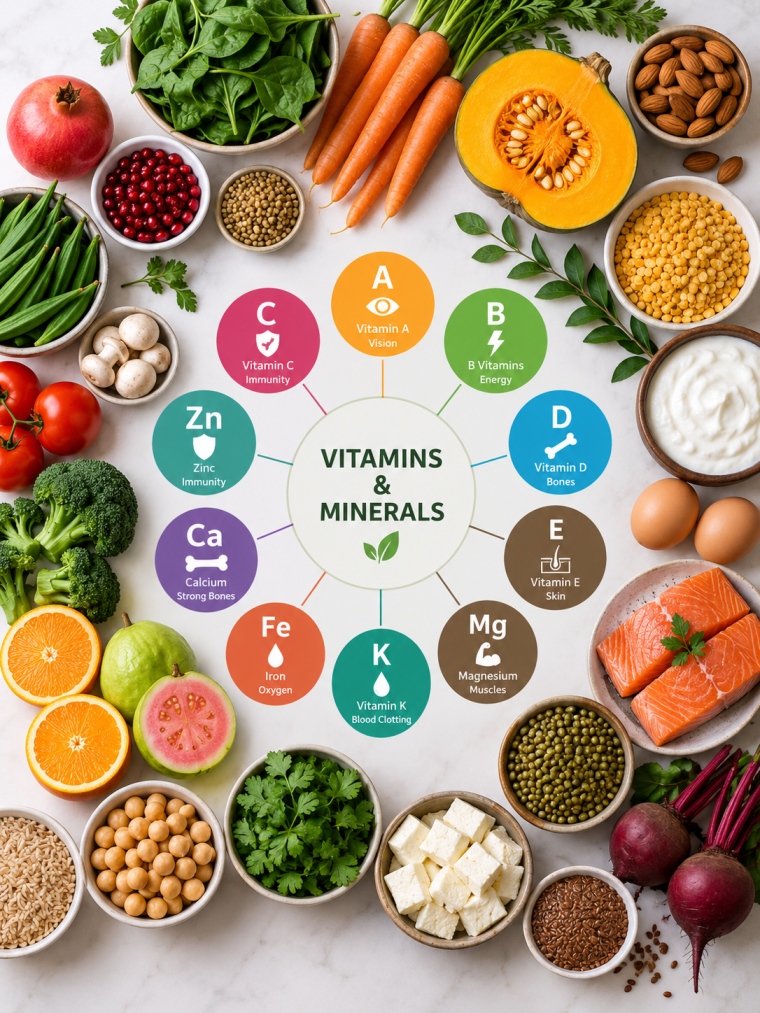
In fact, even relatively small inadequacies of certain essential vitamins and minerals can affect important functions such as:
Energy metabolism
Blood formation
Bone health
Immune function
Nerve function
Muscle function
Vision
Wound healing
Hormone-related processes
Normal growth and development
The challenge is that micronutrients are easy to overlook.
A person may eat enough calories every day but still have an unbalanced diet that does not provide adequate amounts of certain vitamins or minerals.
That is why quantity of food is not the same as nutritional quality.
In this guide, we will understand what micronutrients are, the major vitamins and minerals your body needs, their food sources, deficiency risks, and simple ways to get more micronutrients through an Indian diet.https://www.nin.res.in
What Are Micronutrients?
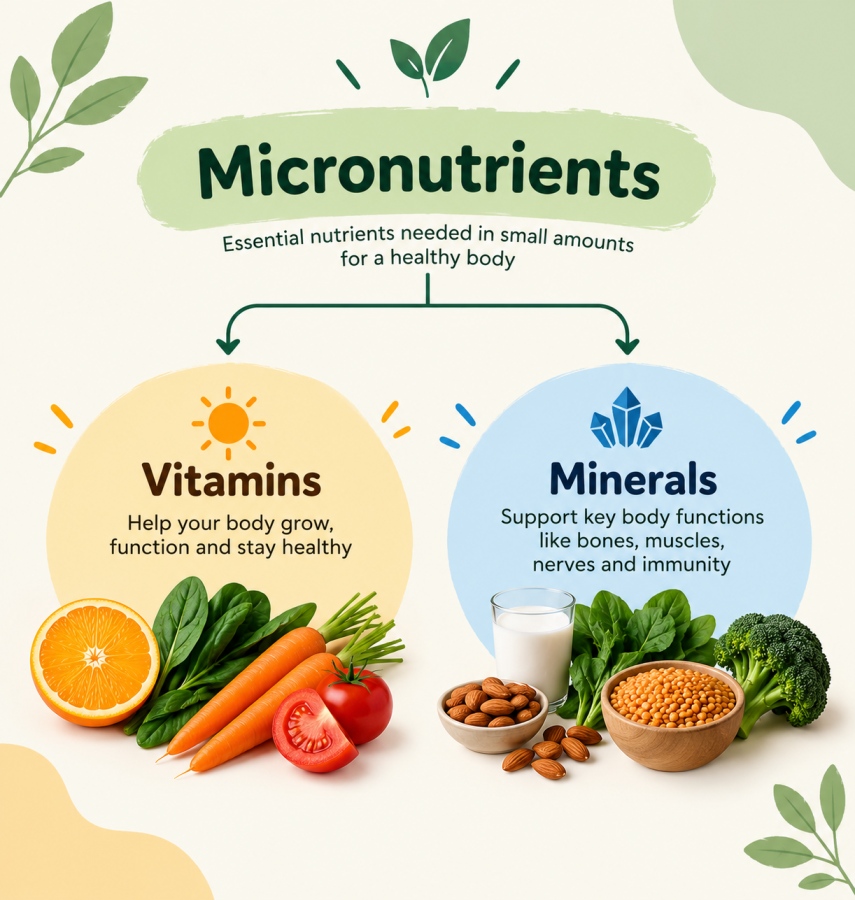
Micronutrients are nutrients required by the body in relatively small amounts.
The two major categories are:
Vitamins
Vitamins are organic compounds required for various processes in the body.
They include:
Vitamin A
Vitamin B1
Vitamin B2
Vitamin B3
Vitamin B5
Vitamin B6
Vitamin B7
Vitamin B9
Vitamin B12
Vitamin C
Vitamin D
Vitamin E
Vitamin K
Minerals
Minerals are inorganic elements required for functions ranging from bone formation and oxygen transport to nerve signalling and fluid balance.
Important minerals include:
Iron
Calcium
Magnesium
Zinc
Iodine
Potassium
Phosphorus
Selenium
Copper
Manganese
The exact nutrient requirements vary depending on factors such as age, sex, physiological status and activity level.https://www.nin.res.in/dietaryguidelines/
Micronutrients vs Macronutrients
The easiest way to understand the difference is:
Macronutrients
Micronutrients
Needed in larger amounts
Needed in smaller amounts
Carbohydrates
Vitamins
Protein
Minerals
Fats
Certain other essential compounds
Mainly provide energy and building material
Support numerous body processes
However, micronutrients are not optional simply because the required quantity is small.
Think of your body as a complex system.
Macronutrients provide much of the fuel and building material.
Micronutrients help many of the body's processes work properly.
Why Do Micronutrients Matter?
Micronutrients participate in hundreds of biological processes.
For example:
Iron
Helps with oxygen transport and is essential for making haemoglobin.
Calcium
Supports bones and teeth and is involved in muscle and nerve function.
Vitamin C
Supports collagen formation and normal immune function and also helps increase absorption of non-heme iron from plant foods.
Vitamin A
Important for normal vision and immune function.
Vitamin D
Helps regulate calcium metabolism and supports bone health.
Vitamin B12
Important for red blood cell formation and normal nervous system function.
Folate
Important for DNA synthesis and cell division and is particularly important during periods of rapid growth.
Zinc
Supports immune function, wound healing and many enzyme reactions.
Magnesium
Participates in numerous biochemical reactions and contributes to normal muscle and nerve function.
These are only a few examples. Each vitamin and mineral has its own role. The NIH Office of Dietary Supplements provides individual evidence-based fact sheets for vitamins and minerals, including their functions, food sources, recommended amounts and safety considerations.
Essential Vitamins and Their Food Sources
1. Vitamin A
Vitamin A is important for:
Normal vision
Immune function
Cell growth
Healthy tissues
Indian Food Sources
Carrot
Pumpkin
Sweet potato
Spinach
Methi
Other dark green leafy vegetables
Mango
Dairy products
Eggs
Some plant foods contain carotenoids such as beta-carotene that the body can convert to vitamin A.
Simple Tip
Include orange/yellow vegetables and dark green leafy vegetables regularly.
2. B Vitamins
The B-vitamin family includes several different vitamins, and each has specific functions.
They are involved in processes such as:
Energy metabolism
Nervous system function
Red blood cell production
DNA synthesis
Cell metabolism
Good food sources can include:
Whole grains
Pulses
Beans
Nuts
Seeds
Milk and dairy products
Eggs
Meat
Fish
Green leafy vegetables
Different B vitamins have different food sources, so eating a variety of foods is important.
Vitamin B12
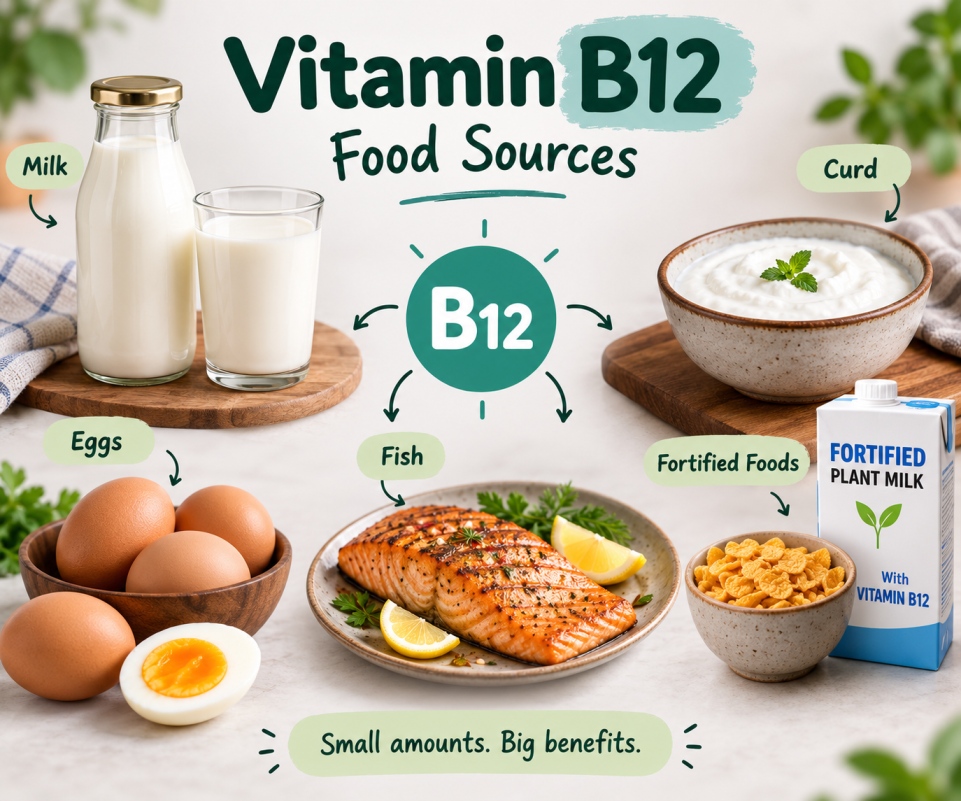
Vitamin B12 deserves special attention because it is naturally present mainly in foods of animal origin.
Sources include:
Milk
Curd
Eggs
Fish
Chicken
Meat
Some fortified foods can also provide vitamin B12.
People following a strict vegan diet may need particular attention to reliable B12 sources because plant foods do not naturally provide adequate B12. ICMR–NIN specifically identifies B12 adequacy as a potential concern for vegetarians and notes fortified foods or appropriate dietary sources may be needed.
3. Vitamin C
Vitamin C contributes to:
Collagen formation
Normal immune function
Antioxidant protection
Improved absorption of non-heme iron
Indian Food Sources
Amla
Guava
Orange
Lemon
Sweet lime
Tomatoes
Capsicum
Green chilli
Papaya
Practical Combination
Dal + squeeze of lemon
or
Chana + tomato + lemon
can be a simple way to combine plant-based iron sources with vitamin C-rich foods.
4. Vitamin D
Vitamin D is important for:
Calcium absorption
Bone health
Muscle function
Normal immune function
Food sources are relatively limited compared with many other vitamins.
Sources can include:
Fatty fish
Egg yolks
Fortified foods
Some dairy products
Sunlight also contributes to vitamin D production in the skin, but the amount produced depends on factors such as skin pigmentation, season, location, time of day, clothing and sun exposure.
Because vitamin D status can vary considerably, people at risk of deficiency may require individualized assessment.
5. Vitamin E
Vitamin E acts as an antioxidant and helps protect cells from oxidative damage.
Food sources include:
Almonds
Sunflower seeds
Peanuts
Vegetable oils
Seeds
Green vegetables
A small serving of nuts or seeds can therefore contribute useful micronutrients along with healthy fats.
6. Vitamin K
Vitamin K is important for:
Normal blood clotting
Bone-related processes
Food Sources
Spinach
Methi
Amaranth
Other leafy greens
Broccoli
Cabbage
Including green leafy vegetables regularly is a simple way to increase vitamin K intake.
Essential Minerals and Why They Matter
1. Iron
Iron is one of the most important minerals to pay attention to, especially in diets where iron requirements are high.
It is needed for:
Haemoglobin formation
Oxygen transport
Energy metabolism
Normal cellular function
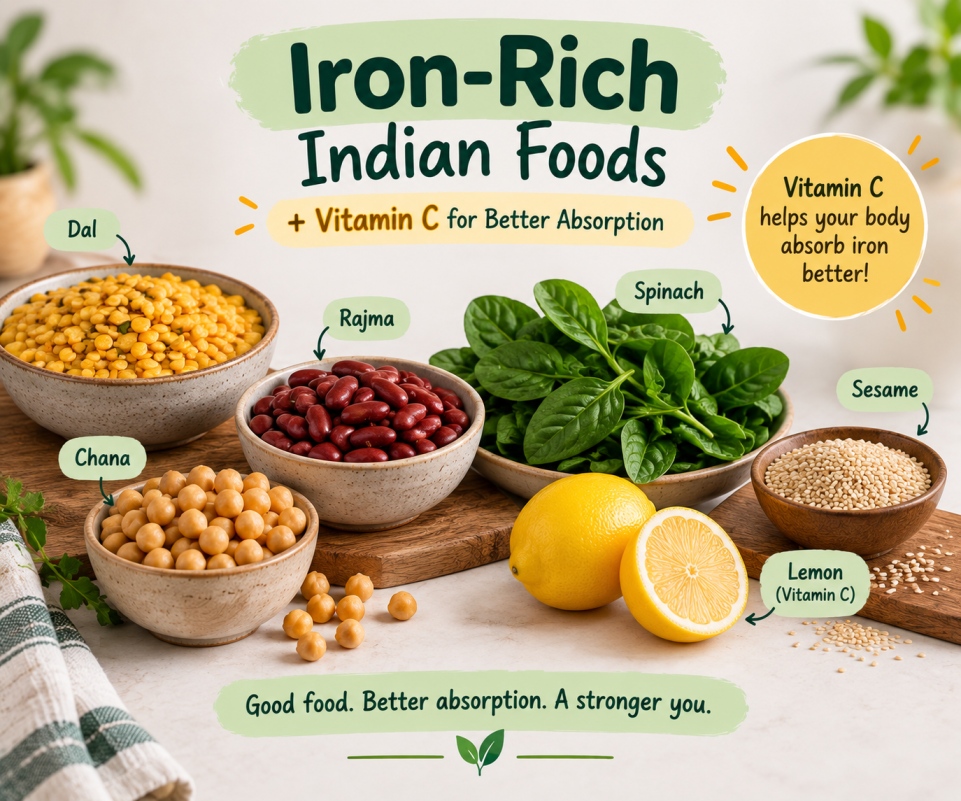
Indian Food Sources
Plant sources include:
Lentils
Rajma
Chana
Lobia
Soy
Green leafy vegetables
Sesame seeds
Pumpkin seeds
Nuts
Whole grains
Animal sources include:
Meat
Fish
Poultry
Eggs
Improve Plant Iron Absorption
Vitamin C can enhance absorption of non-heme iron.
Try combinations such as:
Rajma + tomato
Chana + lemon
Dal + amla
Green leafy vegetables + lemon
Tea and coffee contain compounds that can reduce non-heme iron absorption when consumed with meals, so spacing them away from iron-rich meals can be useful, especially for people concerned about iron status.https://wellorafit.com/services/nutrition-diet-planning/
2. Calcium
Calcium is important for:
Bones
Teeth
Muscle contraction
Nerve signalling
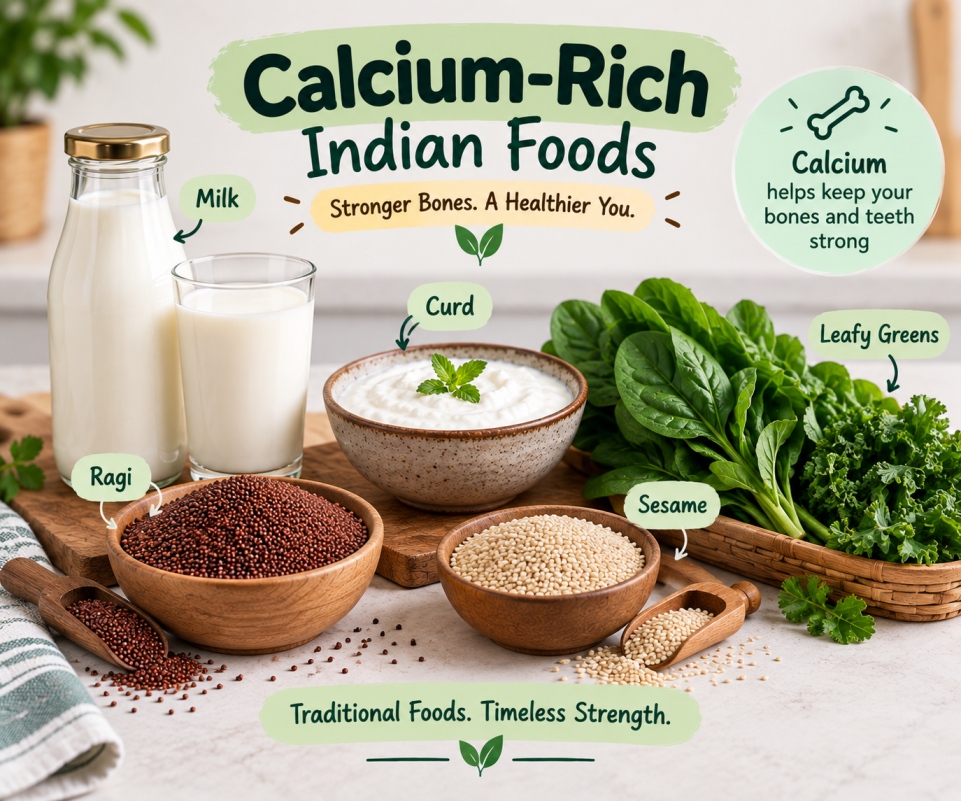
Food Sources
Milk
Curd
Paneer
Ragi
Sesame seeds
Some green leafy vegetables
Fortified foods
Simple Habit
Including a suitable dairy or calcium-rich food regularly can help contribute to calcium intake.
3. Zinc
Zinc contributes to:
Immune function
Wound healing
DNA and protein synthesis
Normal growth and development
Food Sources
Pulses
Beans
Nuts
Seeds
Whole grains
Dairy
Eggs
Meat
Seafood
Vegetarian diets can provide zinc through pulses, nuts and seeds, although absorption can be influenced by compounds such as phytate.
4. Magnesium
Magnesium is involved in numerous biochemical reactions and supports:
Normal muscle function
Nerve function
Energy metabolism
Bone health
Food Sources
Nuts
Seeds
Whole grains
Pulses
Green leafy vegetables
Beans
Good everyday options include:
Almonds + seeds + dal + leafy vegetables
rather than relying on supplements.
5. Iodine
Iodine is essential for the production of thyroid hormones.
A major dietary source is:
Iodized salt
Using iodized salt appropriately is an important public-health nutrition practice.
However, more salt does not mean more iodine is better.
The goal is:
adequate iodine + moderation of total salt intake.
6. Potassium
Potassium helps support:
Normal muscle function
Nerve function
Fluid balance
Healthy blood pressure regulation
Food sources include:
Banana
Coconut water
Potatoes
Beans
Dal
Tomatoes
Spinach
Other fruits and vegetables
People with kidney disease or certain medical conditions may need individualized potassium advice.
7. Selenium
Selenium is required in small amounts and contributes to antioxidant defence and thyroid hormone metabolism.
Sources include:
Eggs
Fish
Meat
Dairy
Cereals
Nuts
The amount in plant foods can vary depending on the selenium content of the soil where crops are grown.
8. Phosphorus
Phosphorus contributes to:
Bones and teeth
Energy metabolism
Cell membranes
DNA and RNA
It is found in many foods, including:
Dairy
Pulses
Nuts
Seeds
Meat
Fish
Whole grains
Because phosphorus is widely present in foods, deficiency is uncommon in healthy people consuming an adequate diet.
How to Get More Micronutrients From an Indian Diet
The Best Strategy: Eat a Variety of Foods
One of the simplest ways to improve micronutrient intake is dietary variety.
Instead of eating:
Rice + potato + dal every day
rotate foods such as:
Roti + dal + spinach
Rice + rajma + mixed vegetables
Millet roti + chole + leafy vegetables
Dalia + vegetables + curd
Khichdi + vegetables + curd
Different foods contain different combinations of vitamins and minerals.
ICMR–NIN specifically recommends variety within food groups because different cereals, millets, pulses, vegetables and fruits have different nutrient profiles.https://wellorafit.com/services/nutrition-diet-planning/
Build Your Plate Around Micronutrient Diversity
A simple Indian meal can include:
Grain
Roti, rice, millet or dalia
Protein
Dal, rajma, chole, paneer, tofu, eggs, fish or chicken
Vegetables
At least one or more varieties
Leafy Greens
Spinach, methi or other greens when available
Dairy
Curd or another suitable source
Fruit
A whole seasonal fruit elsewhere during the day
Nuts/Seeds
Small portions as appropriate
This approach gives your diet multiple opportunities to provide essential micronutrients.
Eat the Rainbow
Different coloured fruits and vegetables contain different combinations of nutrients and plant compounds.
Green
Spinach, methi, beans
Orange/Yellow
Carrot, pumpkin, mango
Red
Tomato, watermelon, red capsicum
Purple/Blue
Brinjal, purple cabbage, black grapes
White
Cauliflower, garlic, onion
You do not need to eat every colour every day.
Instead, aim for variety across the week.
Micronutrients and Vegetarian Diets
A well-planned vegetarian diet can provide many essential micronutrients.
Useful foods include:
Dal
Beans
Whole grains
Millets
Green leafy vegetables
Fruits
Nuts
Seeds
Dairy
Fortified foods where appropriate
However, certain nutrients may require greater attention depending on dietary pattern.
For example, B12 can be a concern in diets with little or no animal-derived food. ICMR–NIN specifically highlights B12 as a nutrient requiring attention among vegetarians.
Micronutrients and Weight Loss
Micronutrients do not directly "burn fat."
However, they are essential for normal physiological processes that support overall health during weight management.
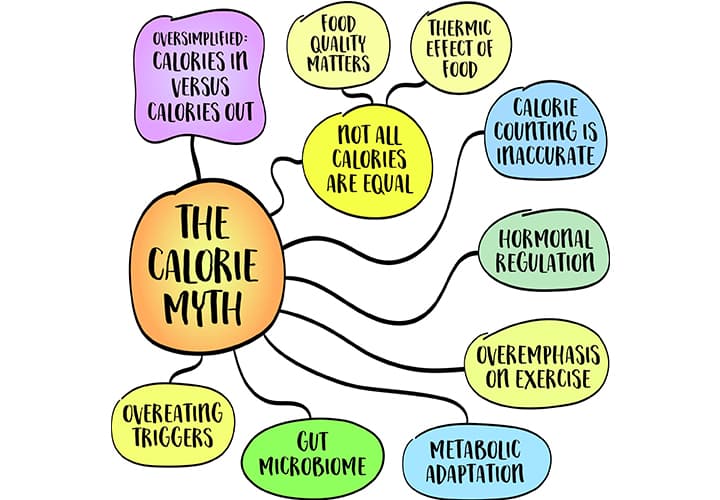
A common mistake during weight loss is focusing only on calories.
For example:
Very low-calorie diet + limited food variety
may reduce calorie intake but can also make it harder to meet nutrient needs.
A better approach is to prioritize nutrient-dense foods such as:
Vegetables
Fruits
Pulses
Whole grains
Dairy or suitable alternatives
Nuts and seeds
Lean protein sources
Think:
Less unnecessary calories + more nutritional value
rather than simply:
Eat as little as possible.
Signs That Your Diet May Need More Attention
Micronutrient deficiencies can have many different causes and symptoms, and symptoms alone cannot reliably diagnose a deficiency.
Depending on the nutrient and severity, inadequate intake may be associated with issues such as:
Persistent fatigue
Weakness
Pale appearance
Poor wound healing
Changes in hair or skin
Muscle weakness or cramps
Changes in vision
Tingling or neurological symptoms
Reduced appetite
Impaired growth or development
However, these symptoms can have many causes.
If deficiency is suspected, appropriate medical evaluation and laboratory testing may be needed.
Do not start high-dose supplements based only on symptoms.
Food First — But Supplements Can Have a Role
A varied diet should generally be the foundation of micronutrient intake.
Whole foods provide more than isolated vitamins and minerals. They can also provide:
Fibre
Protein
Healthy fats
Phytonutrients
Other beneficial food components
The NIH Office of Dietary Supplements notes that multivitamin/mineral supplements cannot replace the variety of foods in a healthy diet.
However, supplements can be useful in specific situations, such as:
Confirmed nutrient deficiency
Certain medical conditions
Pregnancy
Specific dietary restrictions
Certain absorption problems
Nutrient requirements that are difficult to meet through food alone
Supplement needs should be individualized.
More is not always better.
Some vitamins and minerals can cause harm when taken in excessive amounts, and several have established upper intake limits.
Common Micronutrient Mistakes
1. Eating the Same Foods Every Day
A repetitive diet can reduce dietary variety.
Better: Rotate vegetables, fruits, grains, pulses and protein sources.
2. Focusing Only on Calories
A 1,500-calorie diet can be nutrient-dense or nutrient-poor depending on food choices.
Better: Consider both calorie intake and nutritional quality.
3. Avoiding Fruits Because They Contain Sugar
Whole fruits provide fibre, vitamins, minerals and other beneficial compounds.
Better: Include appropriate portions of whole fruit.
4. Assuming Supplements Are Always Better
Taking several supplements does not automatically make a diet healthier.
Better: Build the diet around nutrient-rich foods and supplement only when appropriate.
5. Overlooking Vegetables
Vegetables are important sources of vitamins, minerals, fibre and other protective compounds.
Better: Include different vegetables regularly.
6. Ignoring B12 on Vegetarian or Vegan Diets
B12 deserves particular attention in diets with little or no animal-derived food.
Better: Discuss fortified foods or supplementation with a qualified healthcare professional when needed.
Simple Daily Micronutrient Checklist
Try to include:
At least 2–3 different vegetables
One green leafy vegetable regularly
1–2 servings of whole fruit as appropriate
Dal, beans or another protein-rich food
Whole grains or millets regularly
Nuts or seeds in moderate portions
Dairy or an appropriate alternative
Iodized salt in appropriate amounts
Variety across the week
You do not need to achieve every item perfectly every day.
The goal is overall dietary variety.
A Micronutrient-Rich Indian Day
Breakfast
Vegetable poha + peanuts + fruit
Provides a combination of carbohydrates, fibre, vitamins, minerals and healthy fats.
Mid-Morning
Guava or orange
A simple source of vitamin C and other nutrients.
Lunch
2 small rotis + palak dal + mixed vegetable sabzi + curd + salad
Provides protein, fibre, calcium and a range of vitamins and minerals.
Evening
Roasted chana + fruit or nuts
Provides protein and additional micronutrients.
Dinner
Vegetable khichdi + curd + seasonal vegetable
Provides a combination of grains, pulses and vegetables.
This is an example of a nutrient-diverse eating pattern, not a personalized meal plan.
Key Takeaways
Micronutrients include essential vitamins and minerals required in relatively small amounts.
Small quantities do not mean small importance.
Vitamins and minerals support energy metabolism, blood formation, immunity, bones, nerves, muscles and many other functions.
A varied diet is one of the best ways to improve micronutrient adequacy.
Indian foods such as dal, leafy vegetables, fruits, whole grains, millets, nuts, seeds and dairy can contribute many micronutrients.
Iron, vitamin B12, vitamin D, calcium, iodine and other nutrients deserve particular attention depending on dietary pattern and individual needs.
Vitamin C can improve absorption of non-heme iron from plant foods.
Vegetarians and vegans should pay particular attention to reliable sources of vitamin B12.
Supplements should not replace a varied diet.
High doses of certain vitamins and minerals can be harmful.
If deficiency is suspected, testing and professional guidance are more reliable than self-diagnosis.
Think about dietary variety across the whole week, not just one meal.
Conclusion
Micronutrients may be needed in tiny amounts, but they are involved in some of the body's most important processes.
Your body needs vitamins and minerals to support everything from normal blood formation and bone health to nerve function, immunity and energy metabolism.
The best way to support micronutrient intake is not to memorize every vitamin and mineral.
It is to build a varied, balanced diet.
Eat different vegetables.
Choose different fruits.
Rotate pulses and grains.
Include nuts and seeds.
Use whole grains and millets.
Include appropriate dairy or alternatives.
Pay attention to nutrients that may be harder to obtain based on your dietary pattern.
Most importantly, do not judge your diet only by calories or weight.
A healthy diet should provide enough energy and adequate nutrition.
The goal is not to make every meal perfect.
It is to make your overall eating pattern diverse enough that your body has regular access to the vitamins, minerals and other nutrients it needs.
Small nutrients. Big roles. Better nutrition starts with variety.
FAQ
1. What are micronutrients?
Micronutrients are nutrients required by the body in relatively small amounts. They primarily include vitamins and minerals.
2. What is the difference between micronutrients and macronutrients?
Macronutrients such as carbohydrates, protein and fat are needed in larger amounts. Micronutrients such as vitamins and minerals are needed in smaller amounts but are essential for many body functions.
3. What are examples of micronutrients?
Examples include vitamin A, vitamin C, vitamin D, vitamin B12, folate, iron, calcium, zinc, magnesium, iodine and potassium.
4. Which Indian foods are rich in micronutrients?
Vegetables, leafy greens, fruits, pulses, whole grains, millets, nuts, seeds, dairy products and eggs can all contribute important vitamins and minerals.
5. Can I get enough micronutrients from food?
Many people can meet their micronutrient needs through a varied and balanced diet. However, requirements vary, and certain people may need fortified foods or supplements.
6. Which micronutrients are important for women?
Iron, folate, vitamin B12, vitamin D, calcium and iodine are among the nutrients that may require particular attention depending on age, life stage and dietary pattern.
7. Which micronutrients are important for immunity?
Several nutrients contribute to normal immune function, including vitamins A, C, D, B6 and B12 and minerals such as zinc and selenium. No single vitamin or mineral can replace an overall nutritious diet.
8. Can micronutrient deficiencies cause fatigue?
Some deficiencies, including iron and vitamin B12 deficiency, can be associated with fatigue or weakness. However, fatigue has many possible causes and cannot by itself diagnose a deficiency.
9. Do I need a multivitamin every day?
Not necessarily. Supplement requirements depend on individual diet, health status, life stage and medical needs. Supplements should not be considered a substitute for dietary variety.
10. Can too many vitamins and minerals be harmful?
Yes. Some vitamins and minerals can cause adverse effects when consumed in excessive amounts. More is not automatically better.
11. How can vegetarians get enough micronutrients?
A varied vegetarian diet can include pulses, whole grains, millets, vegetables, leafy greens, fruits, nuts, seeds and dairy. Vitamin B12 deserves particular attention, especially when animal foods are completely excluded.
12. What is the easiest way to improve micronutrient intake?
Increase dietary variety. Eat different vegetables and fruits, rotate grains and pulses, include nuts and seeds, and choose a variety of protein-rich foods throughout the week.
Ready to Begin Your Health Journey?
Get a personalized, medically guided plan built around your unique biology.