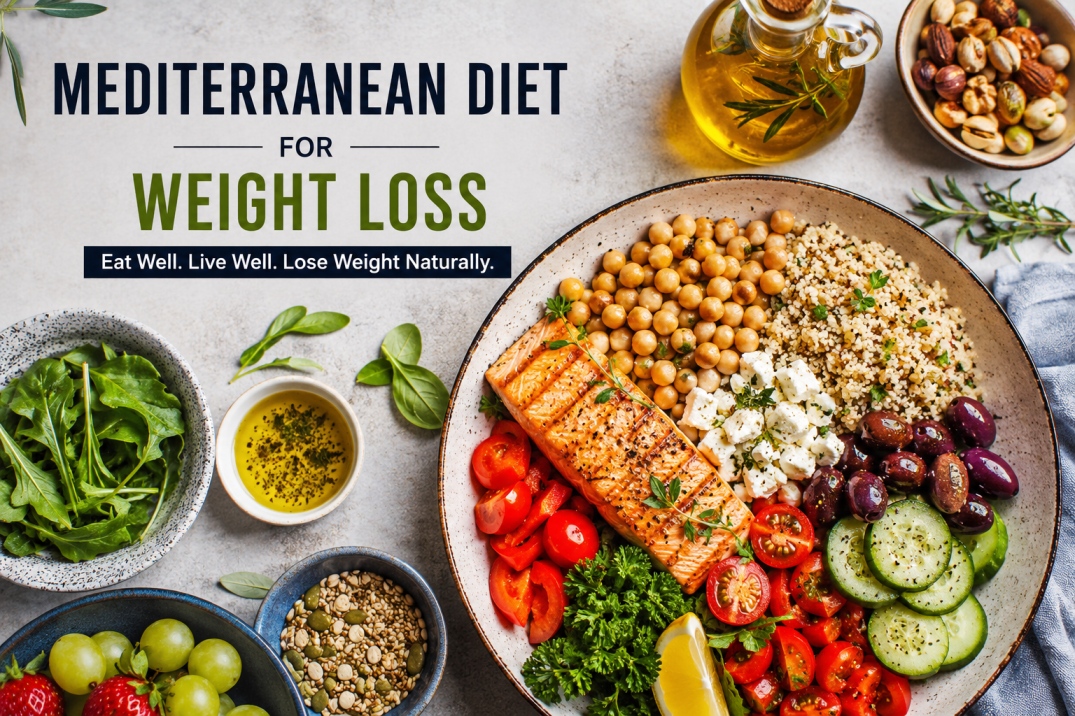
Mediterranean Diets: Benefits, Foods, and Weight Loss Guide
Mediterranean Diet for Weight Loss: A Complete Guide to Healthy and Sustainable Weight Management
When it comes to losing weight, restrictive diets often promise quick results but can be difficult to maintain over the long term. The Mediterranean diet offers a different approach—one that focuses on nutritious whole foods, balanced meals, and sustainable eating habits.
Inspired by the traditional eating patterns of countries surrounding the Mediterranean Sea, this dietary pattern emphasizes vegetables, fruits, whole grains, legumes, nuts, seeds, olive oil, fish, and other minimally processed foods.
Rather than completely eliminating carbohydrates or fats, the Mediterranean diet focuses on choosing better-quality sources and maintaining appropriate portions.
When combined with a suitable calorie intake and regular physical activity, the Mediterranean Diet for Weight Loss can support sustainable weight management while also promoting overall health.https://www.who.int
In this comprehensive guide, you'll learn:
What the Mediterranean diet is
How the Mediterranean diet supports weight loss
The main principles of Mediterranean eating
Best foods to include
Foods to limit
How to build a Mediterranean-style plate
A sample Mediterranean diet plan
Vegetarian and non-vegetarian options
Healthy Mediterranean snack ideas
Portion control strategies
Exercise and lifestyle recommendations
Common Mediterranean diet mistakes
Practical tips for sustainable weight management
What Is the Mediterranean Diet?
The Mediterranean diet is an eating pattern inspired by the traditional food habits of countries bordering the Mediterranean Sea.
Although eating habits vary between countries and regions, the traditional Mediterranean dietary pattern generally emphasizes:
Vegetables
Fruits
Whole grains
Legumes
Beans
Lentils
Nuts
Seeds
Olive oil
Herbs and spices
Fish and seafood
Moderate amounts of foods such as dairy, eggs, and poultry may also be included.
Red and processed meats, sweets, refined grains, and highly processed foods are generally consumed less frequently.
The Mediterranean diet is not a strict meal plan with complicated rules. Instead, it is a flexible eating pattern based primarily on nutrient-dense, minimally processed foods.
This flexibility is one reason many people find it easier to maintain over the long term compared with highly restrictive diets.https://www.hsph.harvard.edu
How Does the Mediterranean Diet Help with Weight Loss?
The Mediterranean diet is not specifically designed as a rapid weight-loss diet.
However, several characteristics of this eating pattern can support healthy weight management.
These include:
High intake of vegetables
High fiber intake
Regular consumption of legumes
Whole grains instead of refined grains
Adequate protein
Healthy unsaturated fats
Fewer ultra-processed foods
Reduced intake of added sugars
Greater meal satisfaction
Fiber and protein can help increase fullness, while healthy fats may improve meal satisfaction.
As a result, following a balanced Mediterranean eating pattern may make it easier to control overall calorie intake without feeling excessively restricted.
However, weight loss still requires an appropriate energy balance. Eating unlimited quantities of calorie-dense foods such as olive oil, nuts, cheese, or large portions of whole grains can prevent weight loss even when those foods are nutritious.https://wellorafit.com/services/doctor-consultations/
Key Principles of the Mediterranean Diet
The Mediterranean diet is based on several simple principles.
Eat Plenty of Vegetables
Vegetables should form a major part of most meals.
Choose a variety of:
Leafy greens
Tomatoes
Bell peppers
Broccoli
Cauliflower
Cucumber
Eggplant
Zucchini
Carrots
Green beans
Different-colored vegetables provide a variety of vitamins, minerals, fiber, and beneficial plant compounds.
Choose Whole Grains
Replace refined grains with whole-grain alternatives when possible.
Examples include:
Oats
Barley
Brown rice
Quinoa
Whole-wheat bread
Whole-wheat pasta
Bulgur
Portion size remains important when weight loss is the goal.
Eat Legumes Regularly
Legumes provide plant-based protein, carbohydrates, and fiber.
Include:
Lentils
Chickpeas
Kidney beans
White beans
Black beans
Peas
They can be added to salads, soups, stews, curries, and grain bowls.
Choose Healthy Fats
Olive oil is traditionally one of the primary sources of added fat in Mediterranean eating.
Other healthy fat sources include:
Nuts
Seeds
Olives
Healthy fats are beneficial, but they are also calorie-dense. Use them in moderate portions when trying to lose weight.
Include Quality Protein
Protein helps support fullness and maintain muscle mass during weight loss.
Mediterranean-style protein sources include:
Fish
Seafood
Eggs
Poultry
Greek yogurt
Legumes
Beans
Lentils
Vegetarian versions can emphasize legumes, lentils, beans, yogurt, and other suitable plant-based protein sources.
The Mediterranean Diet Pyramid
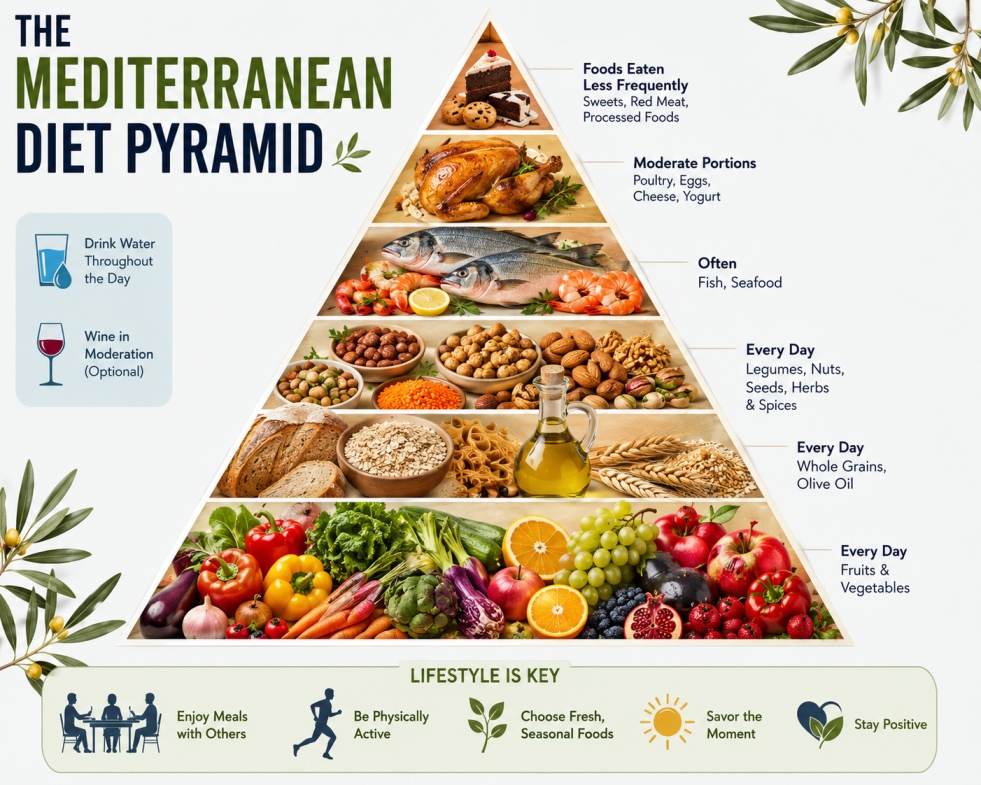
The Mediterranean diet is often represented as a pyramid.
At the base are foods and lifestyle habits that should be emphasized most frequently:
Daily physical activity
Social connection
Vegetables
Fruits
Whole grains
Legumes
Nuts
Seeds
Olive oil
Foods such as fish and seafood are typically consumed regularly.
Eggs, poultry, and dairy may be included in moderate amounts.
Red meat, processed meat, sweets, and highly processed foods are generally consumed less frequently.
This pattern emphasizes overall diet quality rather than strict rules about individual foods.
Mediterranean Diet Plate Method
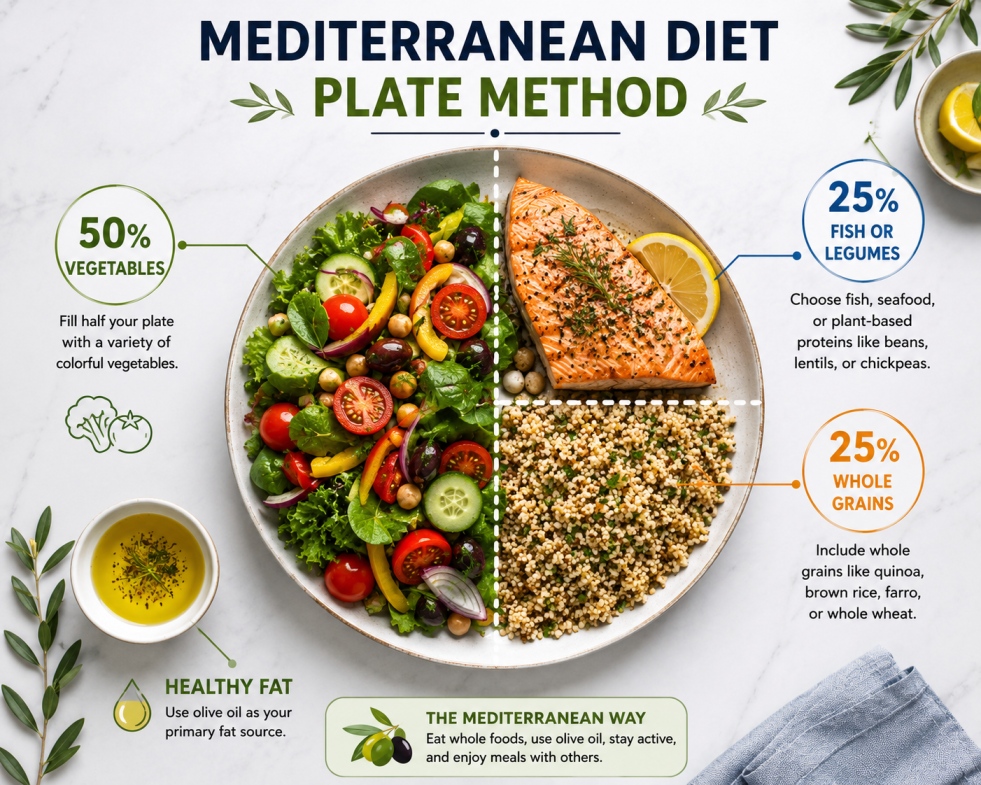
A simple plate method can help you follow the Mediterranean diet while controlling portions for weight loss.https://wellorafit.com/services/nutrition-diet-planning/
½ Plate: Vegetables
Fill approximately half your plate with non-starchy vegetables.
Examples:
Leafy greens
Broccoli
Cauliflower
Tomatoes
Cucumber
Bell peppers
Eggplant
Zucchini
¼ Plate: Protein
Choose:
Fish
Chicken
Eggs
Lentils
Chickpeas
Beans
Greek yogurt
¼ Plate: Whole Grains or Starchy Foods
Choose controlled portions of:
Brown rice
Quinoa
Barley
Bulgur
Whole-wheat pasta
Whole-grain bread
Add a moderate amount of healthy fat, such as olive oil, nuts, or seeds.
This approach naturally emphasizes vegetables while maintaining balanced portions of protein, carbohydrates, and fats.
Best Foods for Mediterranean Diet Weight Loss
1. Vegetables
Vegetables provide volume and fiber while generally being relatively low in calories.
Choose:
Spinach
Lettuce
Tomatoes
Cucumber
Bell peppers
Broccoli
Cauliflower
Eggplant
Zucchini
Carrots
Green beans
Aim for variety rather than relying on the same vegetables every day.
2. Fruits
Whole fruits provide vitamins, minerals, antioxidants, and fiber.
Choose:
Apples
Oranges
Berries
Pears
Peaches
Grapes
Pomegranate
Melons
Kiwi
Whole fruit is generally preferable to fruit juice, especially when weight management is the goal.
3. Whole Grains
Whole grains provide fiber and complex carbohydrates.
Options include:
Oats
Barley
Brown rice
Quinoa
Bulgur
Whole-wheat bread
Whole-wheat pasta
Keep portions appropriate for your individual energy requirements.
4. Legumes
Legumes are an important component of Mediterranean-style eating.
Choose:
Lentils
Chickpeas
Kidney beans
White beans
Black beans
Peas
Their combination of fiber and plant protein can help create filling meals.
5. Fish and Seafood
Fish and seafood provide high-quality protein.
Options include:
Salmon
Sardines
Tuna
Mackerel
Trout
Prawns
Choose grilled, baked, steamed, or lightly sautéed preparations instead of deep-frying.
6. Nuts and Seeds
Nuts and seeds provide healthy fats, fiber, and some protein.
Examples include:
Almonds
Walnuts
Pistachios
Pumpkin seeds
Chia seeds
Flaxseeds
Because nuts and seeds are calorie-dense, small portions are generally sufficient.
7. Olive Oil
Olive oil is a signature component of the traditional Mediterranean diet.
It can be used for:
Salad dressings
Light sautéing
Roasting vegetables
Marinades
Although olive oil contains primarily unsaturated fats, it is calorie-dense.
For weight loss, measure portions instead of pouring it freely over meals.
8. Herbs and Spices
Herbs and spices add flavor without requiring large amounts of salt, sugar, or heavy sauces.
Try:
Basil
Oregano
Rosemary
Thyme
Parsley
Garlic
Black pepper
Paprika
Using herbs and spices can make healthy meals more enjoyable and sustainable.
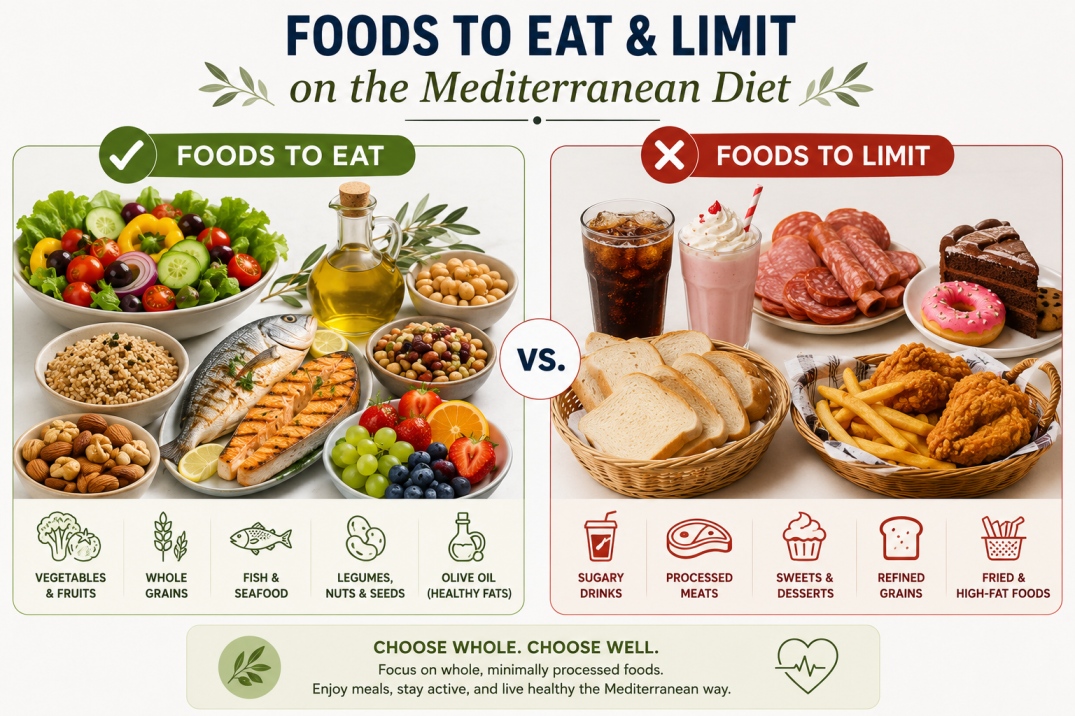
Foods to Limit on the Mediterranean Diet
The Mediterranean diet does not necessarily label individual foods as completely forbidden.
However, certain foods are generally consumed less frequently.
Limit:
Sugary beverages
Packaged fruit juices
Candy
Cakes
Pastries
Cookies
Refined white bread
Refined cereals
Processed meats
Deep-fried foods
Fast food
Chips
Highly processed snacks
Foods high in added sugar
Reducing these foods can help lower overall calorie intake and improve diet quality.
Mediterranean Diet for Weight Loss: Sample Meal Plan
This is a general sample plan. Individual nutritional requirements vary based on age, sex, body weight, activity level, medical conditions, and weight-loss goals.
Early Morning
Choose one:
Plain water
Warm water with lemon
Unsweetened herbal tea
Green tea without added sugar
No particular morning drink is required for weight loss. Choose beverages primarily for hydration and personal preference.
Breakfast
Choose one:
Greek yogurt with berries, oats, and chia seeds
Vegetable omelette + whole-grain toast
Oatmeal with apple, cinnamon, and a few walnuts
Whole-grain toast with hummus + tomato and cucumber
Vegetable and egg whole-grain wrap
Overnight oats with plain yogurt and berries
Chickpea and vegetable salad with a boiled egg
Mid-Morning
Choose one:
Apple
Orange
Pear
Small bowl of berries
Plain Greek yogurt
Small handful of nuts
Cucumber and carrot sticks with hummus
Lunch
Choose one:
Grilled fish + quinoa + Mediterranean vegetable salad
Grilled chicken + brown rice + roasted vegetables
Chickpea salad + whole-grain bread
Lentil bowl + quinoa + mixed vegetables
Whole-wheat pita + hummus + grilled vegetables + Greek yogurt
Tuna and vegetable salad + whole-grain toast
Bean and vegetable bowl + controlled portion of brown rice
Evening Snack
Choose one:
Greek yogurt
Roasted chickpeas
Small handful of nuts
Fruit with a few nuts
Vegetable sticks with hummus
Whole-grain crackers with hummus
Boiled egg with cucumber and tomato
Dinner
Choose one:
Grilled fish + sautéed vegetables + small portion of quinoa
Grilled chicken + Mediterranean salad
Lentil and vegetable soup + whole-grain toast
Chickpea and vegetable bowl
Whole-wheat pasta with vegetables and tomato-based sauce
Baked fish + roasted vegetables
Bean and vegetable stew + small portion of whole grains
Bedtime
A bedtime snack is not necessary for everyone.
If genuinely hungry, choose a small portion of:
Plain Greek yogurt
Unsweetened milk
A few nuts
Avoid turning bedtime snacking into a routine if you are not physically hungry.
Vegetarian Mediterranean Diet for Weight Loss
The Mediterranean diet can easily be adapted for vegetarians.
Focus on protein-rich foods such as:
Lentils
Chickpeas
Beans
Peas
Greek yogurt
Plain yogurt
Eggs, if included
Nuts
Seeds
Balanced vegetarian meals might include:
Lentil soup + whole-grain bread + salad
Chickpea and quinoa bowl
Bean salad with vegetables and olive oil dressing
Greek yogurt bowl with fruit and seeds
Whole-wheat pasta with beans and vegetables
Hummus with whole-grain pita and salad
Vegetarians should ensure adequate intake of protein and other essential nutrients through a varied diet.
Mediterranean Diet vs Low-Carb Diet
Both Mediterranean and lower-carbohydrate dietary patterns may support weight loss when they help create an appropriate calorie deficit.
The main difference lies in their approach.
A Mediterranean diet generally includes:
Whole grains
Legumes
Fruits
Vegetables
Healthy fats
A strict low-carb diet may significantly restrict:
Grains
Some fruits
Legumes
Other carbohydrate-rich foods
For many people, the flexibility of Mediterranean-style eating may make it easier to maintain over the long term.
The best dietary approach is one that meets nutritional needs, supports health, creates an appropriate calorie intake, and can be followed consistently.
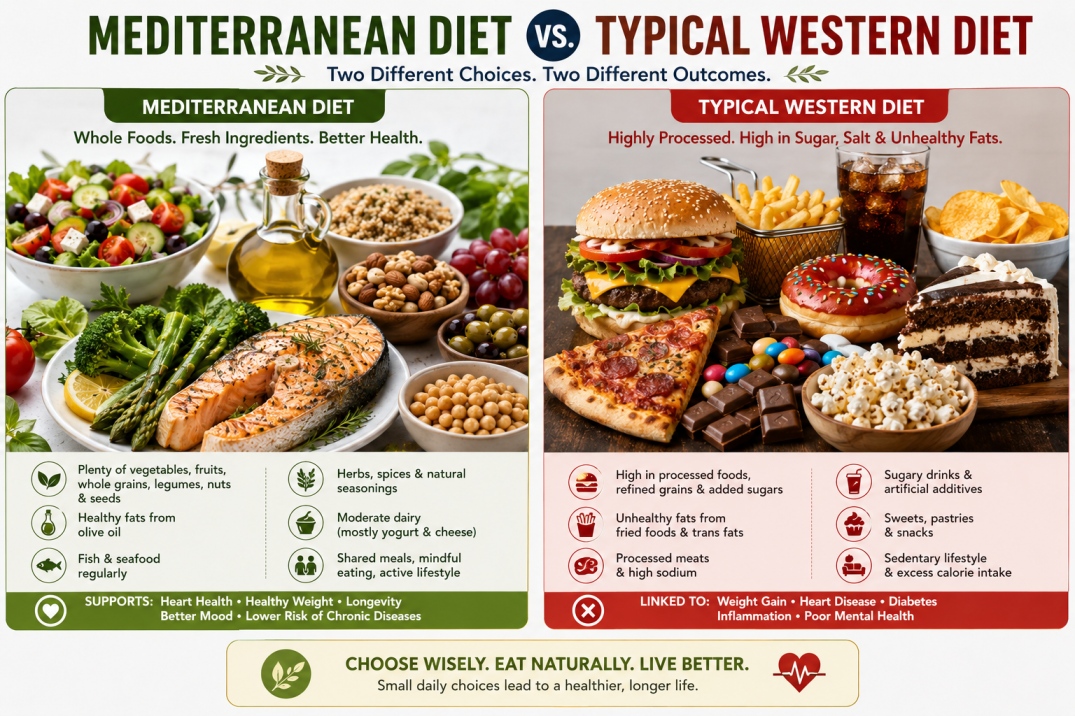
Mediterranean Diet vs Typical Western Diet
A typical highly processed Western-style diet may contain larger amounts of:
Refined grains
Added sugars
Processed meats
Fast food
Sugary beverages
Highly processed snacks
The Mediterranean diet emphasizes:
Whole foods
Vegetables
Fruits
Whole grains
Legumes
Fish
Healthy fats
This difference in overall food quality is one of the reasons Mediterranean-style eating is associated with several potential health benefits.
Portion Control on the Mediterranean Diet
One of the biggest mistakes people make when following the Mediterranean diet for weight loss is assuming healthy foods can be eaten in unlimited quantities.
Foods such as:
Olive oil
Nuts
Seeds
Cheese
Whole grains
can provide important nutrients but are also calorie-dense.
Practical portion strategies include:
Measure cooking oil.
Use a small handful of nuts rather than eating directly from a large packet.
Keep whole-grain portions appropriate.
Fill half your plate with vegetables.
Include protein with major meals.
Pay attention to physical hunger and fullness cues.
A healthy diet can still lead to weight gain when total calorie intake consistently exceeds energy needs.
Protein and the Mediterranean Diet
Protein is particularly important during weight loss because it supports muscle maintenance and satiety.
Good Mediterranean-style protein sources include:
Fish
Seafood
Chicken
Eggs
Greek yogurt
Lentils
Beans
Chickpeas
Aim to include a protein source with major meals.
Combining adequate protein intake with strength training can help preserve lean muscle while losing body fat.
Fiber and Weight Loss
The Mediterranean diet is naturally rich in dietary fiber.
Fiber-rich foods include:
Vegetables
Fruits
Whole grains
Lentils
Beans
Chickpeas
Nuts
Seeds
Fiber can support weight management by:
Increasing fullness
Supporting digestive health
Slowing digestion
Helping regulate blood glucose
Supporting healthy cholesterol levels
Increase fiber gradually and maintain adequate hydration.
Healthy Fats and Weight Loss
The Mediterranean diet is known for emphasizing unsaturated fats.
Sources include:
Olive oil
Nuts
Seeds
Fish
Healthy fats can improve meal satisfaction and contribute essential nutrients.
However, fat contains more calories per gram than protein or carbohydrates.
Therefore, replacing less healthy fat sources with moderate amounts of unsaturated fats is generally more useful for weight management than simply adding large quantities of healthy fats to an existing diet.
Can the Mediterranean Diet Reduce Belly Fat?
No diet can specifically target fat loss from one area of the body.
Fat loss occurs throughout the body according to factors such as:
Genetics
Hormones
Age
Sex
Overall calorie balance
Physical activity
However, following a balanced Mediterranean eating pattern while maintaining an appropriate calorie deficit may support overall fat loss.
Combining healthy eating with strength training, cardiovascular exercise, adequate sleep, and stress management can further support healthy body composition.
Exercise and the Mediterranean Diet
Nutrition and physical activity work together to support sustainable weight loss.
A balanced exercise routine may include:
Walking
Regular walking is a simple way to increase daily energy expenditure.
Try:
Brisk walking
Walking after meals
Taking the stairs
Increasing daily steps
Strength Training
Strength training helps maintain or build muscle.
Exercises may include:
Squats
Lunges
Push-ups
Resistance bands
Weight training
Cardiovascular Exercise
Options include:
Cycling
Swimming
Jogging
Dancing
Brisk walking
Choose activities you enjoy and can perform consistently.
Lifestyle Habits in Mediterranean Living
The traditional Mediterranean lifestyle extends beyond food.
It also emphasizes:
Regular physical activity
Social connection
Shared meals
Mindful eating
Adequate rest
Enjoyment of food
These habits can contribute to a healthier relationship with food and support sustainable lifestyle change.
Eating slowly and without distractions may also make it easier to recognize fullness and avoid overeating.
Common Mediterranean Diet Mistakes
1. Using Too Much Olive Oil
Olive oil is nutritious but calorie-dense.
Measure portions when weight loss is the goal.
2. Eating Unlimited Nuts
A small handful is generally sufficient for a snack.
3. Overeating Whole Grains
Whole grains are nutritious, but portion size still matters.
4. Not Eating Enough Protein
Make sure major meals contain a meaningful protein source.
5. Relying on Processed "Mediterranean" Products
A product labeled Mediterranean-style is not automatically healthy.
Focus primarily on minimally processed foods.
6. Drinking Too Many Calories
Sugary drinks, sweetened coffee, and other calorie-containing beverages can make weight loss more difficult.
7. Ignoring Total Calorie Intake
Food quality is extremely important, but overall energy balance still influences weight loss.
8. Expecting Rapid Weight Loss
The Mediterranean diet is better suited to sustainable lifestyle change than extreme short-term weight loss.
How to Start the Mediterranean Diet
You do not need to completely change your diet overnight.
Start with simple changes:
Add vegetables to lunch and dinner.
Replace refined grains with whole grains.
Eat legumes more frequently.
Choose whole fruits instead of fruit juice.
Include fish regularly if you eat non-vegetarian foods.
Replace heavily processed snacks with fruits, yogurt, or nuts.
Use moderate amounts of olive oil.
Reduce sugary beverages.
Cook more meals at home.
Increase daily physical activity.
Gradual changes are often easier to maintain than completely changing your diet at once.
Mediterranean Diet Weight Loss Checklist
✔ Fill half your plate with vegetables.
✔ Include protein with major meals.
✔ Choose whole grains over refined grains.
✔ Eat legumes regularly.
✔ Choose whole fruits instead of juice.
✔ Include fish if suitable for your diet.
✔ Use olive oil in moderate portions.
✔ Eat nuts and seeds in controlled quantities.
✔ Reduce added sugars.
✔ Limit highly processed foods.
✔ Drink adequate water.
✔ Practice portion control.
✔ Stay physically active.
✔ Include strength training.
✔ Get adequate sleep.
✔ Manage stress.
✔ Focus on long-term consistency.
Key Takeaways
The Mediterranean diet emphasizes vegetables, fruits, whole grains, legumes, healthy fats, and quality protein.
It can support healthy and sustainable weight management when combined with appropriate portion sizes and energy intake.
Fiber and protein can improve fullness and make calorie control easier.
Healthy fats such as olive oil, nuts, and seeds should still be consumed in appropriate portions.
Vegetarians can adapt Mediterranean eating by emphasizing legumes, beans, lentils, yogurt, nuts, and seeds.
No single food or diet can specifically target belly fat.
Regular physical activity and strength training complement a healthy Mediterranean eating pattern.
Sustainable habits are more important than extreme short-term dietary restrictions.
The Mediterranean diet is best viewed as a long-term eating pattern rather than a temporary weight-loss program.
Conclusion
The Mediterranean Diet for Weight Loss offers a balanced and flexible approach to healthy weight management.
Rather than focusing on extreme restrictions, it encourages nutritious whole foods such as vegetables, fruits, whole grains, legumes, fish, nuts, seeds, and moderate amounts of healthy fats.
Its emphasis on fiber-rich foods, quality protein, and minimally processed ingredients can help create satisfying meals and make healthy eating easier to maintain over time.
However, eating Mediterranean-style foods does not automatically guarantee weight loss. Portion control and overall calorie intake still matter, particularly with calorie-dense foods such as olive oil, nuts, seeds, and cheese.
For the best results, combine a balanced Mediterranean diet with regular physical activity, strength training, adequate sleep, stress management, and sustainable lifestyle habits.
The goal should not simply be to follow a diet until you reach a target weight. Instead, focus on building an eating pattern that supports your health, energy, and weight management for the long term.
FAQ Schema
1. Is the Mediterranean diet good for weight loss?
Yes. The Mediterranean diet can support weight loss when appropriate portions and overall calorie intake are maintained. Its emphasis on fiber, protein, vegetables, and minimally processed foods can improve fullness and diet quality.
2. How quickly can you lose weight on the Mediterranean diet?
Weight-loss rates vary depending on calorie intake, starting weight, activity level, metabolism, and individual health factors. Sustainable weight loss is generally preferable to rapid weight loss.
3. What foods can I eat on the Mediterranean diet?
The diet emphasizes vegetables, fruits, whole grains, legumes, nuts, seeds, olive oil, fish, seafood, and other minimally processed foods.
4. Can vegetarians follow the Mediterranean diet?
Yes. Vegetarians can emphasize lentils, chickpeas, beans, whole grains, vegetables, fruits, yogurt, nuts, and seeds.
5. Can I eat bread on the Mediterranean diet?
Yes. Whole-grain bread can be included in appropriate portions.
6. Is olive oil good for weight loss?
Olive oil provides primarily unsaturated fats, but it is calorie-dense. It can be included in a weight-loss diet when used in moderate portions.
7. Can the Mediterranean diet reduce belly fat?
The diet cannot specifically target belly fat. However, when it helps create a calorie deficit, it may support overall fat loss, including reductions in abdominal fat over time.
8. Can I eat pasta on the Mediterranean diet?
Yes. Whole-wheat pasta can be included in controlled portions and combined with vegetables and protein.
9. What is the best Mediterranean breakfast for weight loss?
Balanced options include Greek yogurt with fruit and seeds, oatmeal with fruit and nuts, or eggs with vegetables and whole-grain toast.
10. Is the Mediterranean diet suitable for long-term use?
For many people, yes. Its flexibility and emphasis on varied, minimally processed foods make it suitable as a long-term healthy eating pattern when adapted to individual nutritional and medical needs.
Ready to Begin Your Health Journey?
Get a personalized, medically guided plan built around your unique biology.