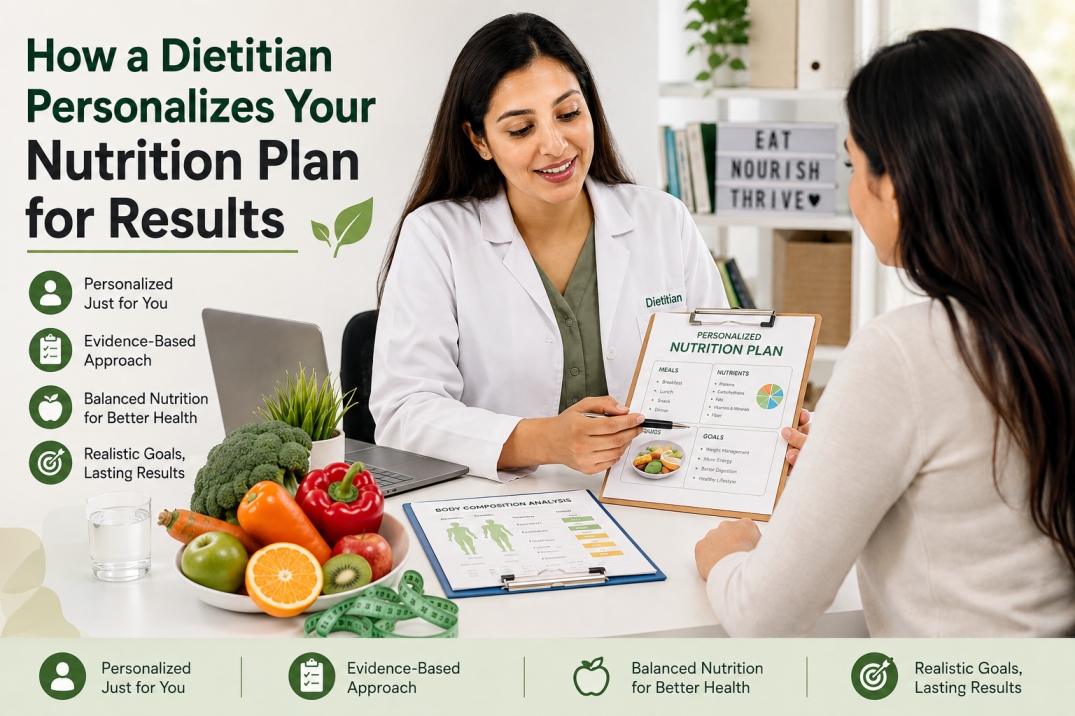
How a Dietitian Personalizes Your Nutrition Plan for Results
How a Dietitian Personalizes Your Nutrition Plan: A Step Towards Healthier, Sustainable Living
Following a healthy diet has never been more confusing. Every day, social media introduces a new "miracle" diet promising rapid weight loss, improved metabolism, or instant health benefits. From keto and intermittent fasting to detox cleanses and low-carb meal plans, there is no shortage of advice claiming to work for everyone.
Yet, despite following these popular diets, many people struggle to achieve lasting results. Some lose weight only to regain it a few months later, while others feel constantly hungry, tired, or frustrated because the plan simply doesn't fit their lifestyle.
The reason is simple—there is no universal diet that works for every individual.
Each person's body is unique. Factors such as age, gender, body composition, physical activity, medical history, food preferences, sleep patterns, stress levels, and even work schedules influence nutritional needs. A meal plan that works well for one person may not provide the same benefits for someone else.
This is where the expertise of a qualified dietitian becomes invaluable.
Rather than recommending a generic diet, a dietitian takes the time to understand your body, lifestyle, health conditions, and goals before designing a nutrition plan tailored specifically to you. This personalized approach not only improves the chances of achieving your goals but also makes healthy eating practical, enjoyable, and sustainable.
Whether your objective is losing weight, managing diabetes, improving heart health, building muscle, supporting thyroid function, or simply adopting healthier eating habits, a personalized nutrition plan can help you make informed food choices that fit seamlessly into your daily life.
Unlike restrictive fad diets, personalized nutrition focuses on creating realistic habits that you can maintain for years—not just a few weeks. It emphasizes balance rather than perfection, allowing flexibility while ensuring your body receives the nutrients it needs to function at its best.
In this comprehensive guide, you'll learn how dietitians personalize nutrition plans, why individualized nutrition is more effective than generic diets, and how customized dietary guidance can support your long-term health and well-being.https://www.who.int/news-room/fact-sheets/detail/healthy-diet
What Is a Personalized Nutrition Plan?
A personalized nutrition plan is an individualized eating strategy designed specifically to meet your unique nutritional requirements, health conditions, lifestyle, and personal goals. Instead of following a standard meal plan found online or copied from someone else, every recommendation is customized based on factors that influence your overall health.
Personalized nutrition recognizes that every person is different. Two individuals may have the same weight or body mass index (BMI), yet their calorie needs, nutrient requirements, metabolism, food preferences, and health conditions can vary significantly. Because of these differences, they are unlikely to benefit equally from the same diet.
A dietitian carefully evaluates multiple aspects of your health before recommending dietary changes. These may include:
Age and gender
Height, weight, and body composition
Daily physical activity
Medical history
Existing health conditions
Medications and supplements
Blood test results, if available
Food allergies or intolerances
Vegetarian or non-vegetarian preferences
Cultural and regional eating habits
Cooking skills and food availability
Budget and lifestyle
Sleep quality
Stress levels
Personal health goals
By considering all these factors, a dietitian creates a plan that is both nutritionally balanced and practical to follow.https://www.nhs.uk/live-well/eat-well/
For example, a personalized nutrition plan for someone with diabetes focuses on maintaining healthy blood glucose levels, while a plan for someone with PCOS may prioritize balanced meals that support hormonal health. Similarly, an athlete requires higher energy and protein intake than someone with a sedentary lifestyle, and an older adult may need additional attention to calcium, vitamin D, and protein for healthy aging.
A personalized plan also adapts to your daily routine. If you work night shifts, travel frequently, or have limited time for cooking, your dietitian recommends meal options that fit your schedule rather than expecting you to completely change your lifestyle.
The goal isn't to create a perfect diet—it's to create a sustainable way of eating that supports your health while fitting comfortably into your everyday life.
Why Personalized Nutrition Matters
Nutrition isn't just about calories or losing weight. The foods you eat influence nearly every aspect of your health, including your energy levels, digestion, immune function, blood sugar regulation, heart health, hormone balance, and overall well-being.
Because nutritional needs differ from person to person, a personalized approach helps ensure your diet provides the right balance of nutrients for your body.https://wellorafit.com/services/nutrition-diet-planning/
Some of the key benefits of personalized nutrition include:
Better Nutritional Balance
A customized plan ensures you receive the appropriate amounts of carbohydrates, proteins, healthy fats, vitamins, minerals, and fiber based on your age, activity level, and health needs.
Easier to Follow
People are more likely to maintain a nutrition plan that includes familiar foods, suits their daily routine, and accommodates cultural preferences. Instead of relying on complicated recipes or expensive ingredients, personalized plans focus on practical, everyday meals.
Supports Medical Conditions
Diet plays an important role in managing many health conditions. A personalized plan can complement medical treatment by providing dietary recommendations suited to conditions such as diabetes, PCOS, thyroid disorders, hypertension, fatty liver disease, digestive disorders, and high cholesterol.
Promotes Sustainable Weight Management
Rather than encouraging rapid weight loss through severe restrictions, personalized nutrition focuses on gradual, healthy progress. This approach is generally easier to maintain and may reduce the likelihood of regaining lost weight.
Encourages Healthy Habits
A dietitian doesn't simply prescribe foods to eat or avoid. They also help you build habits such as mindful eating, balanced meal planning, adequate hydration, portion awareness, and healthier food choices that support long-term wellness.
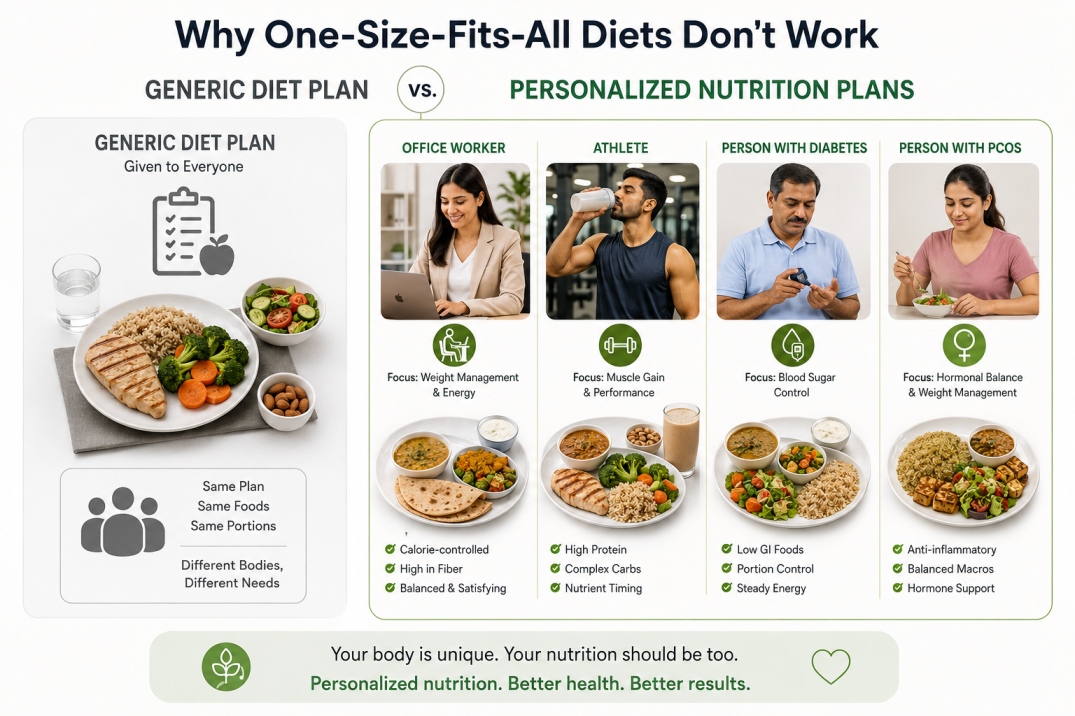
Why One-Size-Fits-All Diets Don't Work
One of the biggest misconceptions in nutrition is that everyone should eat the same way to achieve good health.
In reality, there is no single diet that is ideal for every individual.
Generic diet plans often ignore the many factors that influence your nutritional requirements. They usually recommend the same foods, portions, and meal timings for everyone without considering individual differences.
For example:
A software professional sitting at a desk for ten hours each day has very different energy needs than someone working in construction or agriculture.
A pregnant woman requires different nutrients than a college student.
Someone with hypothyroidism has different nutritional considerations than someone managing diabetes or high cholesterol.
A vegetarian and a non-vegetarian need different strategies to meet their protein requirements.
Even two people with the same weight may require different nutrition plans because of differences in muscle mass, body fat percentage, metabolism, physical activity, or underlying health conditions.
Generic diets also tend to overlook practical challenges. They may recommend foods that are expensive, unavailable, difficult to prepare, or culturally unfamiliar, making them difficult to follow consistently.
As a result, many people experience:
Constant hunger
Low energy levels
Nutrient deficiencies
Loss of muscle mass
Difficulty maintaining the diet
Frustration and lack of motivation
Weight regain after stopping the diet
Healthy eating should support your lifestyle—not disrupt it.
A personalized nutrition plan works because it adapts evidence-based nutrition principles to your unique circumstances. Instead of expecting you to fit into a rigid diet, the plan is designed to fit into your life, making it easier to follow consistently and achieve sustainable results.
How a Dietitian Understands Your Needs
A personalized nutrition plan doesn't begin with a meal chart—it begins with understanding you.
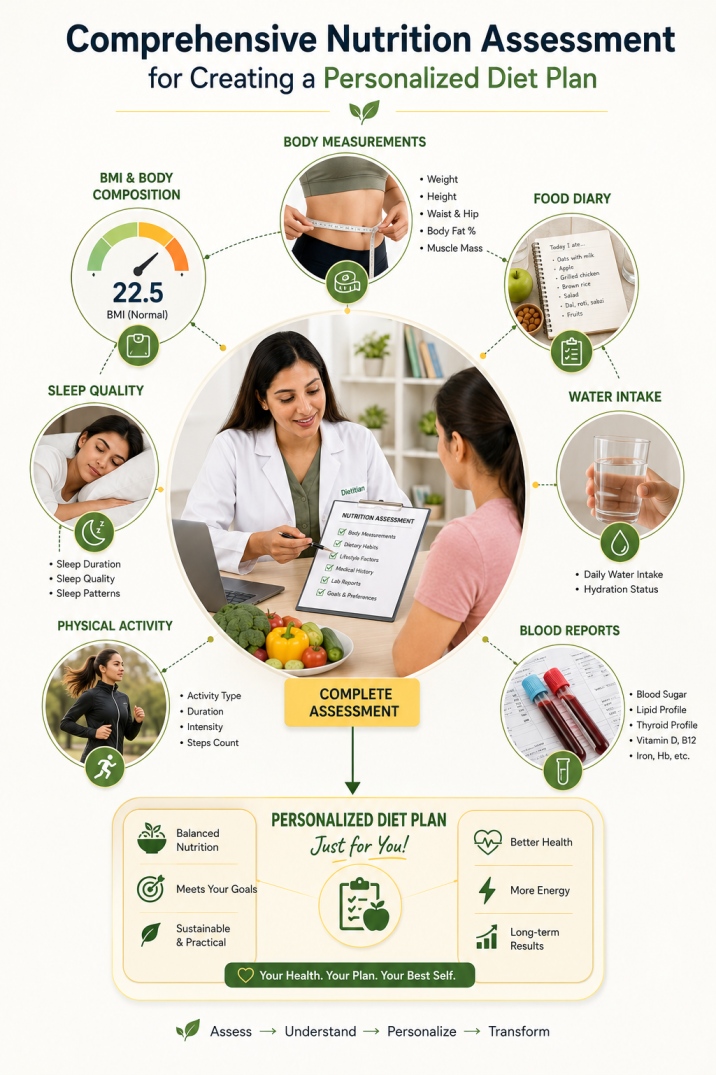
Before recommending foods or calculating calories, a dietitian gathers detailed information about your health, lifestyle, eating habits, and personal goals. This comprehensive assessment helps identify factors that may influence your nutritional needs and ensures that the recommendations are practical, safe, and effective.
Rather than focusing only on your weight, a dietitian looks at the bigger picture to understand why certain eating patterns have developed and how they can be improved sustainably.
The First Consultation: Getting to Know You
The first consultation is one of the most important steps in creating a personalized nutrition plan. It allows the dietitian to understand your current health status, identify potential nutritional concerns, and learn about your daily routine.
This conversation is not about judging your food choices. Instead, it helps the dietitian understand your habits, challenges, and expectations so that the nutrition plan is realistic and achievable.
During the consultation, you may be asked about:
Your current weight and height
Occupation and daily schedule
Typical eating pattern
Physical activity level
Sleep routine
Water intake
Previous dieting experiences
Medical history
Medications and supplements
Family history of chronic diseases
Food preferences and dislikes
Short-term and long-term health goals
Being honest during this discussion helps your dietitian create recommendations that truly fit your lifestyle.
Understanding Your Medical History
Your medical history plays a significant role in determining your nutritional requirements. Certain health conditions require specific dietary modifications, and understanding these conditions helps the dietitian create a safe and effective meal plan.
Some common conditions that influence nutrition planning include:
Diabetes
People with diabetes often benefit from balanced meals that help manage blood glucose levels. A dietitian may focus on carbohydrate quality, meal timing, portion control, and adequate fiber intake.
Polycystic Ovary Syndrome (PCOS)
Nutrition for PCOS often emphasizes balanced meals, protein-rich foods, high-fiber carbohydrates, and healthy fats while supporting healthy weight management and insulin sensitivity.
Thyroid Disorders
For individuals with hypothyroidism or hyperthyroidism, the nutrition plan may consider overall nutrient intake, meal balance, and any dietary factors that complement medical treatment.
Hypertension
Managing blood pressure often involves reducing excessive sodium intake while encouraging potassium-rich foods, fruits, vegetables, whole grains, and heart-healthy eating patterns.
High Cholesterol
Dietary recommendations may include increasing soluble fiber, healthy fats, nuts, seeds, legumes, and whole grains while limiting foods high in saturated and trans fats.
Digestive Disorders
Conditions such as irritable bowel syndrome (IBS), acid reflux (GERD), or inflammatory bowel disease (IBD) may require individualized food choices based on symptoms and tolerance.
Food Allergies and Intolerances
A personalized plan carefully excludes foods that trigger allergic reactions or digestive discomfort while ensuring nutritional adequacy through suitable alternatives.
Understanding your medical history allows the dietitian to recommend foods that support your health rather than unintentionally worsening existing conditions.

Evaluating Your Lifestyle
Even the healthiest meal plan won't work if it doesn't fit into your daily routine.
Your lifestyle influences not only what you eat but also when, where, and how you eat. That's why dietitians spend time understanding your everyday habits before designing a nutrition plan.
Some lifestyle factors that are commonly assessed include:
Occupation
An office employee, healthcare worker, teacher, entrepreneur, and athlete all have different schedules and activity levels. Meal planning should reflect these differences.
Working Hours
People working night shifts or rotating shifts often have irregular meal timings, which may affect appetite and food choices. Personalized guidance can help maintain balanced eating despite an unconventional schedule.
Physical Activity
The amount and intensity of physical activity influence calorie and protein requirements. Whether you are sedentary, moderately active, or highly active, your nutrition plan should provide appropriate energy to support your lifestyle.
Travel Frequency
Individuals who travel frequently may need portable, easy-to-carry meal options and healthy strategies for eating at restaurants or airports.
Cooking Time
Not everyone has time to prepare elaborate meals every day. Personalized nutrition includes quick, nutritious options that fit your schedule without compromising on quality.
By understanding your routine, a dietitian can create a plan that is practical enough to follow consistently.
Understanding Your Food Preferences and Eating Habits
Healthy eating doesn't mean giving up the foods you enjoy.
One of the biggest advantages of personalized nutrition is that it respects your cultural background, food preferences, and individual tastes.
Your dietitian may ask about:
Vegetarian or non-vegetarian preference
Regional cuisine
Favorite foods
Foods you dislike
Religious or cultural dietary practices
Allergies or intolerances
Meal frequency
Snacking habits
Dining out frequency
Beverage choices
Including familiar foods makes the nutrition plan more enjoyable and sustainable. Rather than eliminating favorite meals completely, dietitians often recommend healthier preparation methods, balanced portions, or suitable alternatives.
This flexible approach reduces feelings of restriction and improves long-term adherence.
Identifying Your Health Goals
Every nutrition plan begins with a clear understanding of what you want to achieve.
Different health goals require different nutritional strategies. A meal plan designed for weight loss will differ significantly from one created for muscle gain or blood sugar management.
Common health goals include:
Healthy weight loss
Weight gain
Muscle building
Improving energy levels
Managing diabetes
Controlling cholesterol
Supporting thyroid health
Managing PCOS
Improving digestive health
Enhancing sports performance
Healthy aging
Setting realistic and measurable goals helps both you and your dietitian monitor progress over time.
Instead of focusing only on the number on the scale, progress may also include improvements in energy, digestion, sleep quality, fitness, laboratory values, and overall well-being.https://wellorafit.com/services/nutrition-diet-planning/
Body Measurements and Nutrition Assessment
While body weight is an important indicator, it doesn't tell the whole story.
A dietitian may use several measurements to better understand your nutritional status and monitor your progress.
These may include:
Height
Weight
Body Mass Index (BMI)
Waist circumference
Hip circumference
Waist-to-hip ratio
Body fat percentage (when available)
Muscle mass (when available)
These measurements provide valuable information about body composition and help guide personalized recommendations.
In addition to physical measurements, a dietitian may assess your current food intake to determine whether you are consuming adequate amounts of:
Calories
Protein
Carbohydrates
Healthy fats
Fiber
Vitamins
Minerals
Water
This assessment helps identify nutritional gaps that can be addressed through dietary changes.
When Blood Reports Can Help
In some situations, recent blood test results provide useful information for developing a nutrition plan.
Depending on your health condition, a dietitian may review reports such as:
Blood glucose or HbA1c
Lipid profile
Thyroid function tests
Iron studies
Vitamin D levels
Vitamin B12 levels
Liver function tests
Kidney function tests
These reports are not always required, but they can help identify nutrient deficiencies or medical conditions that influence dietary recommendations.
For example, low iron levels may require increasing iron-rich foods, while elevated cholesterol levels may call for adjustments in dietary fat and fiber intake.
A personalized nutrition plan combines this information with your lifestyle and eating habits to provide practical recommendations that support your overall health.
Creating Your Personalized Nutrition Plan
Once your dietitian has a clear understanding of your health, lifestyle, eating habits, and goals, the next step is developing a nutrition plan tailored specifically to you.
A personalized nutrition plan is much more than a list of foods to eat or avoid. It is a structured yet flexible guide designed to help you meet your nutritional requirements while fitting comfortably into your daily routine. The focus is on creating healthy habits that are practical, enjoyable, and sustainable over the long term.
Instead of following strict rules, your dietitian builds a plan that supports your health without making you feel deprived.
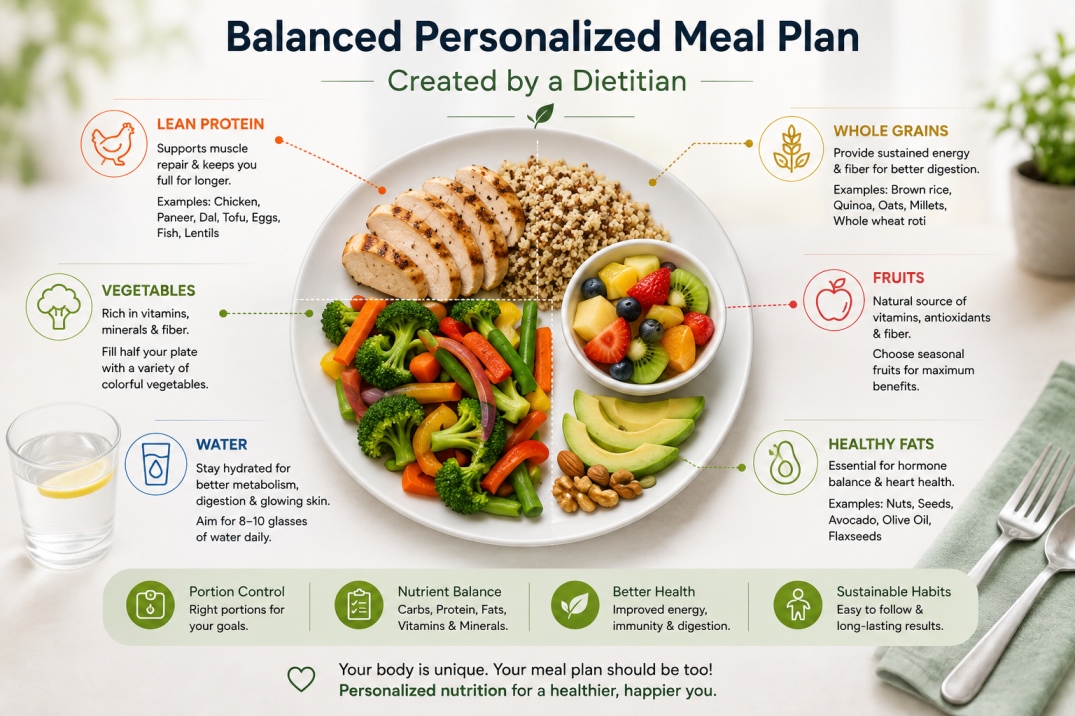
Calculating Your Nutritional Needs
One of the first steps in creating a personalized nutrition plan is determining how much energy and nutrients your body requires.
Everyone's nutritional needs are different and depend on several factors, including:
Age
Gender
Height and weight
Body composition
Physical activity level
Medical conditions
Health goals
Pregnancy or breastfeeding (if applicable)
Using this information, a dietitian estimates your daily calorie needs and determines the right balance of nutrients to support your goals.
For example:
Someone trying to lose weight may require a moderate calorie deficit while still meeting essential nutrient needs.
A physically active individual may need more calories and protein to support exercise and muscle recovery.
Someone recovering from an illness may require additional protein and energy to promote healing.
The goal is not simply to reduce calories but to ensure your body receives adequate nutrition for optimal health.
Balancing the Right Nutrients
Calories are important, but the quality of those calories matters just as much.
A personalized nutrition plan includes the right balance of macronutrients and micronutrients to support your overall health.
Protein
Protein helps maintain muscle mass, supports tissue repair, contributes to immune function, and promotes satiety.
Good sources include:
Lentils and pulses
Beans
Paneer
Tofu
Low-fat dairy
Eggs
Fish
Chicken
Lean meat
Soy products
The amount of protein recommended depends on your age, activity level, and health goals.
Carbohydrates
Carbohydrates are your body's primary source of energy.
Rather than eliminating carbohydrates, a dietitian focuses on choosing healthier sources such as:
Whole grains
Millets
Brown rice
Oats
Whole wheat
Fruits
Vegetables
Legumes
These foods provide fiber, vitamins, minerals, and sustained energy throughout the day.
Healthy Fats
Healthy fats are essential for hormone production, brain function, and the absorption of fat-soluble vitamins.
Nutritious sources include:
Nuts
Seeds
Avocados
Olive oil
Groundnut oil
Mustard oil
Fatty fish
A dietitian recommends appropriate portions because even healthy fats are calorie-dense.
Fiber
Fiber plays an important role in digestion, blood sugar regulation, cholesterol management, and maintaining fullness after meals.
High-fiber foods include:
Fruits
Vegetables
Whole grains
Millets
Beans
Lentils
Seeds
Increasing fiber gradually while staying well-hydrated can help improve digestive health.
Creating Balanced Meals
Instead of labeling foods as "good" or "bad," dietitians focus on building balanced meals.
A balanced plate generally includes:
A source of lean protein
Whole-grain or high-fiber carbohydrates
Plenty of vegetables
Healthy fats in moderation
Adequate hydration
This combination provides steady energy, supports fullness, and supplies a wide range of essential nutrients.
Rather than skipping meals or relying on restrictive eating patterns, balanced meals encourage consistent nourishment throughout the day.
Portion Sizes Matter
Even nutritious foods can contribute to excess calorie intake when consumed in very large amounts.
Portion guidance helps ensure that meals provide enough nutrition without exceeding your energy requirements.
Your dietitian may recommend:
Measuring portions initially
Using smaller plates when appropriate
Paying attention to hunger and fullness cues
Including vegetables to increase meal volume
Eating slowly and mindfully
Portion recommendations vary from person to person and should be based on individual nutritional needs rather than generalized serving sizes.
Making Healthy Eating Practical
One of the biggest advantages of a personalized nutrition plan is that it fits into your real life.
Instead of recommending expensive superfoods or complicated recipes, dietitians often build meal plans around foods that are:
Easily available
Affordable
Familiar
Culturally appropriate
Quick to prepare
For someone with a busy schedule, simple meal-prep strategies may be suggested, such as:
Preparing vegetables in advance
Cooking larger batches of healthy meals
Keeping healthy snacks available
Planning weekly grocery shopping
Choosing healthier options when eating out
Small, practical changes are often easier to maintain than major lifestyle overhauls.
Customizing Nutrition for Different Health Conditions
Every medical condition has unique nutritional considerations, which is why personalized meal planning is so valuable.
Weight Loss
For healthy weight management, a dietitian focuses on creating a moderate calorie deficit while ensuring adequate intake of protein, fiber, vitamins, and minerals.
The emphasis is on sustainable habits rather than rapid weight loss.
Diabetes
Nutrition plans for diabetes often prioritize:
Balanced carbohydrate intake
High-fiber foods
Lean protein
Healthy fats
Regular meal timing
These strategies can help support healthy blood glucose management alongside medical care.
PCOS
For individuals with PCOS, dietary recommendations may include:
Protein-rich meals
Fiber-rich carbohydrates
Healthy fats
Balanced meal timing
Weight management strategies, when appropriate
These changes can support overall metabolic and hormonal health.
Thyroid Disorders
People with thyroid disorders benefit from balanced nutrition that supports overall health.
A dietitian may also address nutrient deficiencies, meal timing, and healthy eating habits while considering prescribed medications.
Heart Health
Heart-friendly nutrition often includes:
Plenty of fruits and vegetables
Whole grains
Lean proteins
Healthy fats
Limited saturated fat
Reduced sodium intake
These dietary habits support cardiovascular health as part of an overall healthy lifestyle.
Flexibility Is the Key to Long-Term Success
One of the biggest misconceptions about healthy eating is that it requires giving up all your favorite foods.
In reality, a personalized nutrition plan is designed to be flexible.
Rather than eliminating foods completely, dietitians often recommend:
Better portion control
Healthier cooking methods
Balanced meal combinations
Occasional treats in moderation
This flexible approach helps reduce feelings of restriction, making it easier to enjoy food while maintaining healthy eating habits.
A nutrition plan that fits your lifestyle is much more likely to become a lifelong habit than one based on strict rules and unnecessary restrictions.
Long-Term Success with a Personalized Nutrition Plan
Creating a personalized nutrition plan is only the beginning of your health journey. Real and lasting results come from consistently following the plan, making gradual improvements, and adapting your nutrition as your body, lifestyle, and health needs change.
Unlike short-term diets that promise quick fixes, personalized nutrition focuses on building healthy habits that are sustainable for life. It recognizes that your nutritional needs evolve over time, and your eating plan should evolve with them.
Regular guidance from a dietitian helps ensure that your nutrition continues to support your health goals while remaining practical and enjoyable.
Why Regular Follow-Ups Matter
A personalized nutrition plan is not a one-time prescription. As your progress, routine, and health change, your nutrition plan may need adjustments to keep you moving toward your goals.
Regular follow-up consultations allow your dietitian to:
Monitor your progress
Review your eating habits
Address challenges or setbacks
Modify calorie and nutrient requirements
Introduce greater meal variety
Adjust the plan based on lifestyle changes
Keep you motivated and accountable
For example, someone who has successfully lost weight may need a different nutrition strategy for maintaining that weight. Similarly, if your exercise routine changes or you develop a new medical condition, your nutritional requirements may also change.
Follow-ups also provide an opportunity to ask questions, discuss difficulties, and receive practical solutions for everyday situations such as dining out, traveling, festive eating, or managing busy work schedules.
Benefits of a Personalized Nutrition Plan
A nutrition plan designed specifically for your body and lifestyle offers several advantages over generic diets.
Better Long-Term Adherence
Plans that include your favorite foods, suit your schedule, and respect your cultural preferences are much easier to follow consistently.
Supports Sustainable Weight Management
Instead of relying on restrictive eating patterns, personalized nutrition encourages balanced eating habits that are more likely to support long-term weight management.
Improved Nutritional Balance
A customized plan helps ensure you receive the right amounts of protein, carbohydrates, healthy fats, vitamins, minerals, and fiber based on your individual needs.
Better Energy Levels
Balanced meals provide steady energy throughout the day, helping reduce fatigue and improve productivity.
Supports Better Disease Management
For individuals with conditions such as diabetes, PCOS, hypertension, thyroid disorders, or high cholesterol, personalized nutrition can complement medical treatment and support better health outcomes.
Encourages Healthier Habits
Working with a dietitian helps develop lifelong habits such as:
Balanced meal planning
Mindful eating
Portion awareness
Healthy grocery shopping
Better hydration
Consistent meal timing
These habits contribute to overall health, not just weight management.
Common Myths About Personalized Nutrition
There are several misconceptions about working with a dietitian and following a personalized nutrition plan.
Myth 1: Dietitians Only Help with Weight Loss
Fact: Dietitians provide nutrition guidance for a wide range of health conditions, including diabetes, heart disease, kidney disease, digestive disorders, pregnancy, sports nutrition, and healthy aging.
Myth 2: Healthy Eating Means Giving Up Your Favorite Foods
Fact: A personalized nutrition plan is designed to include foods you enjoy whenever possible. Rather than eliminating favorite foods, dietitians focus on portion control, healthier cooking methods, and balanced meal combinations.
Myth 3: Personalized Diet Plans Are Expensive
Fact: Healthy eating doesn't require expensive ingredients or imported superfoods. Dietitians often create meal plans using affordable, locally available foods that fit your budget and lifestyle.
Myth 4: Carbohydrates Should Be Completely Avoided
Fact: Carbohydrates are an important source of energy. The focus should be on choosing high-quality carbohydrates such as whole grains, fruits, vegetables, and legumes while balancing portions according to your needs.
Myth 5: Everyone Should Follow the Same Diet
Fact: Nutritional requirements vary based on age, activity level, medical conditions, and personal goals. What works for one person may not be appropriate for another.
Key Takeaways
Every individual has unique nutritional needs based on health, lifestyle, and personal goals.
Personalized nutrition is more effective than generic diet plans because it considers your specific circumstances.
A dietitian evaluates your medical history, eating habits, activity level, and preferences before creating a nutrition plan.
Balanced meals, appropriate portions, and realistic food choices are essential for long-term success.
Personalized nutrition supports both healthy individuals and those managing medical conditions.
Regular follow-ups help adapt your nutrition plan as your body and lifestyle change.
Sustainable lifestyle changes are more effective than restrictive or fad diets.
Conclusion
There is no single diet that works for everyone because no two people are exactly alike. Your age, lifestyle, medical history, activity level, food preferences, and health goals all influence the type of nutrition your body needs.
A qualified dietitian takes these individual differences into account to develop a personalized nutrition plan that is practical, balanced, and sustainable. Instead of promoting short-term restrictions, personalized nutrition focuses on creating lifelong habits that support overall health and well-being.
Whether your goal is weight management, improved energy, better blood sugar control, or managing a chronic health condition, a customized nutrition plan provides a structured yet flexible approach that fits your lifestyle.
Healthy eating is not about following the latest trend—it's about finding a way of eating that works for you and supports your health for years to come.
Frequently Asked Questions (FAQ)
1. What is a personalized nutrition plan?
A personalized nutrition plan is an individualized eating plan created by a dietitian based on your health status, lifestyle, food preferences, medical history, and personal goals.
2. Why is personalized nutrition better than a generic diet?
Personalized nutrition considers your unique nutritional requirements, making the plan more practical, sustainable, and effective than one-size-fits-all diets.
3. What information does a dietitian need before creating a nutrition plan?
Dietitians typically assess your medical history, medications, body measurements, eating habits, physical activity, sleep, stress, food preferences, and health goals.
4. Can a personalized nutrition plan help with weight loss?
Yes. A customized nutrition plan can support healthy and sustainable weight management while ensuring your body receives adequate nutrients.
5. Can a dietitian help manage medical conditions through nutrition?
Yes. Dietitians can provide nutrition guidance for conditions such as diabetes, PCOS, thyroid disorders, hypertension, high cholesterol, digestive disorders, and more, alongside medical treatment.
6. How often should I review my nutrition plan?
The frequency depends on your goals and health status. Regular follow-up consultations help monitor progress and make necessary adjustments to your nutrition plan.
7. Will I have to stop eating my favorite foods?
Not necessarily. Most personalized nutrition plans include favorite foods in moderation while focusing on overall dietary balance and portion control.
8. Is personalized nutrition suitable for vegetarians and vegans?
Yes. Dietitians can create balanced nutrition plans for vegetarian, vegan, and non-vegetarian dietary preferences while ensuring adequate nutrient intake.
9. Do I need blood tests before consulting a dietitian?
Not always. However, recent blood reports can provide useful information about nutrient deficiencies or medical conditions that may influence dietary recommendations.
10. How long does it take to see results?
Results vary depending on your goals, consistency, lifestyle, and health condition. Sustainable improvements generally occur gradually through healthy eating habits and regular follow-up.
Ready to Begin Your Health Journey?
Get a personalized, medically guided plan built around your unique biology.