Gut Microbiome for Weight Loss: Complete Guide to Obesity
Gut Microbiome and Obesity: How Your Gut Bacteria Affect Weight Loss
Obesity has become one of the fastest-growing health concerns worldwide. According to the World Health Organization (WHO), obesity rates have more than doubled over the last few decades, affecting millions of adults, adolescents, and children. While excessive calorie intake, physical inactivity, genetics, hormonal disorders, and lifestyle habits are well-established contributors to obesity, researchers have recently identified another important factor that may influence body weight—the gut microbiome.
Inside your digestive tract lives a remarkable ecosystem of trillions of microorganisms collectively known as the gut microbiome. These microorganisms include bacteria, fungi, viruses, and other microbes that coexist with the human body. Far from being harmful, many of these microbes play an essential role in maintaining overall health.
Scientists now recognize that the gut microbiome is involved in much more than digestion. It helps regulate metabolism, supports immune function, produces essential vitamins, protects against harmful bacteria, influences inflammation, communicates with the brain, and even affects how efficiently your body extracts energy from food.
Over the past decade, numerous studies have shown that the composition and diversity of gut bacteria differ between people with obesity and those with a healthy weight. Certain patterns of gut bacteria appear to promote increased fat storage, chronic inflammation, insulin resistance, and altered hunger signals, all of which can contribute to weight gain.
Conversely, maintaining a diverse and healthy gut microbiome may improve metabolic health, regulate appetite, enhance insulin sensitivity, and support sustainable weight management. While the gut microbiome alone does not determine whether someone develops obesity, it is increasingly viewed as one of many interconnected factors influencing body weight.
The encouraging news is that the gut microbiome is highly adaptable. Unlike genetics, it can change in response to diet, physical activity, sleep quality, stress levels, medications, and other lifestyle factors. This means that adopting healthier habits can positively influence gut bacteria and potentially improve long-term metabolic health.
In this comprehensive guide, you'll learn how the gut microbiome works, why it matters for obesity, how gut bacteria influence appetite and metabolism, the role of dietary fiber and fermented foods, practical nutrition strategies for improving gut health, and evidence-based lifestyle habits that support sustainable weight loss.World Health Organization (WHO) – Healthy Diet
What Is the Gut Microbiome?
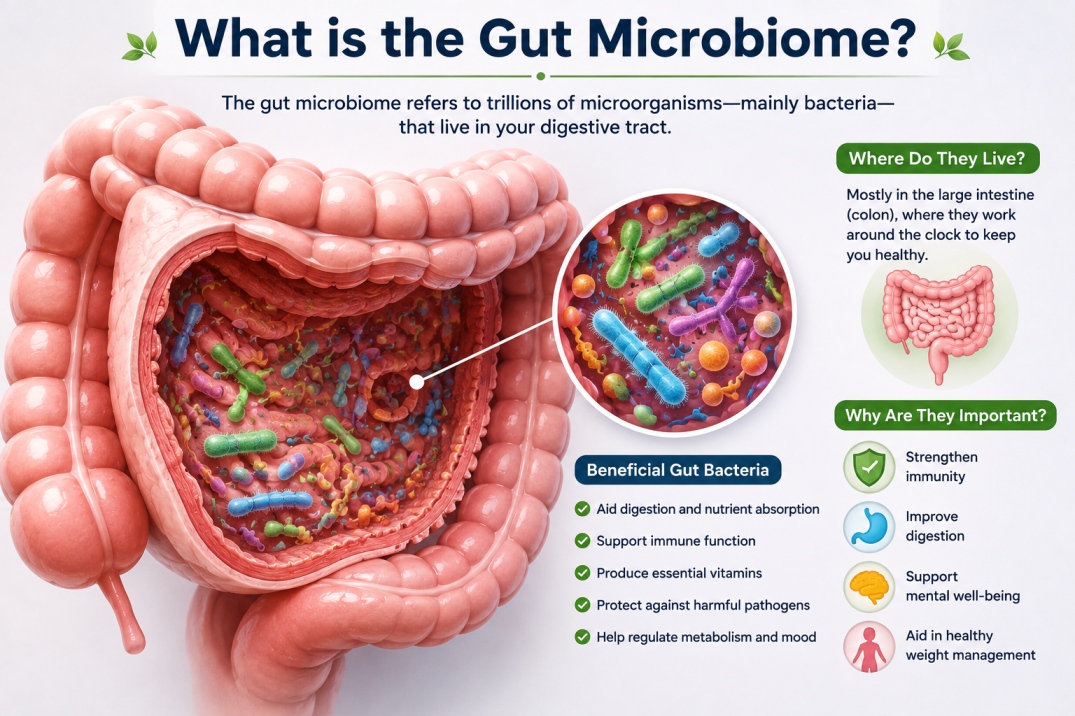
The gut microbiome refers to the vast community of microorganisms that inhabit the gastrointestinal tract, particularly the large intestine (colon). This microscopic ecosystem is made up of bacteria, fungi, viruses, archaea, and other microorganisms that work together to maintain numerous physiological functions essential for human health.
Scientists estimate that the human gut contains over 100 trillion microorganisms, representing thousands of different bacterial species. Collectively, these microbes weigh approximately 1–2 kilograms and contain millions of genes—far more than the number of genes found in the human genome.
Although bacteria are often associated with disease, the vast majority of gut bacteria are either beneficial or harmless. Beneficial bacteria help digest food, produce nutrients, regulate immunity, and protect against harmful pathogens.
The diversity and balance of these microorganisms are considered key indicators of gut health. A healthy gut microbiome contains a wide variety of bacterial species that work together in harmony, while an unhealthy microbiome often has reduced diversity and an overgrowth of potentially harmful microbes.Harvard T.H. Chan School of Public Health – The Microbiome
Major Functions of the Gut Microbiome
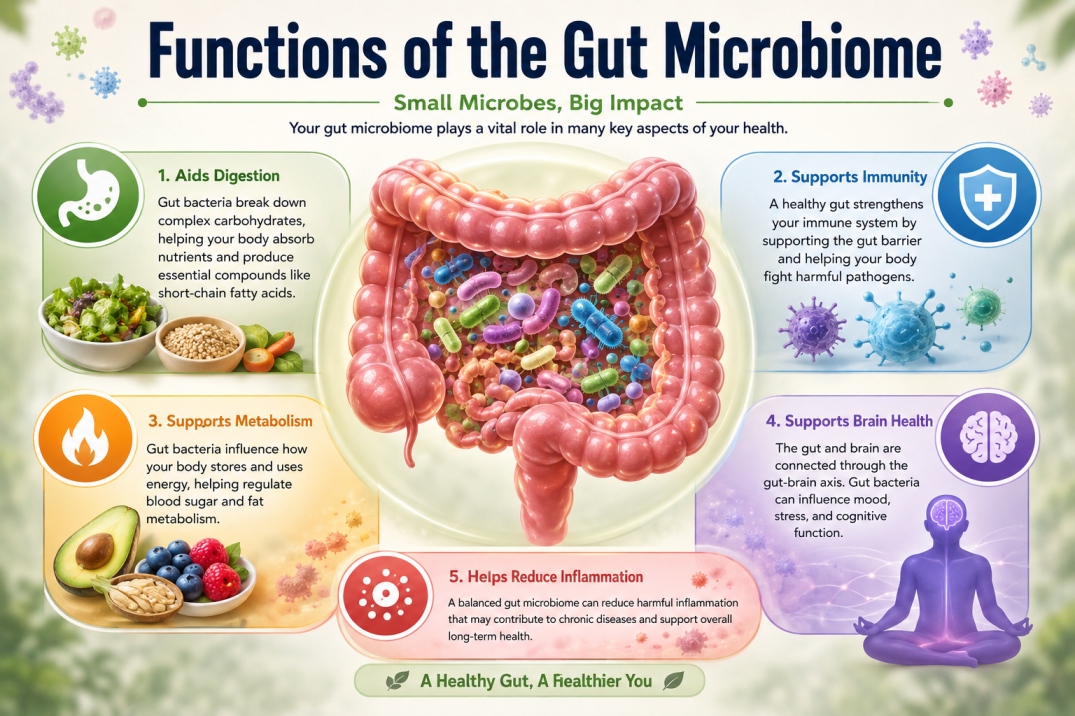
The gut microbiome performs hundreds of important biological functions that influence nearly every organ system in the body.
Its primary functions include:
1. Digestion of Dietary Fiber
Humans cannot digest many types of dietary fiber because we lack the necessary digestive enzymes. Beneficial gut bacteria ferment these fibers, producing compounds that nourish the intestine and support metabolic health.
Without healthy gut bacteria, much of the beneficial fiber consumed through fruits, vegetables, legumes, and whole grains would provide fewer health benefits.
2. Production of Essential Nutrients
Several gut bacteria synthesize vitamins that contribute to normal body function.
These include:
Vitamin K
Vitamin B12 (limited contribution)
Folate
Biotin
Riboflavin
Thiamine
Although food remains the primary source of these nutrients, bacterial production provides additional metabolic support.
3. Strengthening the Immune System
Nearly 70% of the body's immune cells are associated with the gastrointestinal tract.
Healthy gut bacteria help:
Train immune cells
Prevent excessive immune reactions
Reduce harmful inflammation
Protect against disease-causing microorganisms
Maintain immune balance
A healthy microbiome helps distinguish between harmful pathogens and harmless substances, reducing the risk of chronic inflammation.
4. Protection Against Harmful Microorganisms
Beneficial bacteria compete with harmful bacteria for nutrients and space within the intestine.
They also produce natural antimicrobial substances that inhibit the growth of disease-causing microbes.
This protective effect is often referred to as colonization resistance.
5. Maintaining the Gut Barrier
The intestinal lining acts as a protective barrier between the digestive tract and the bloodstream.
Beneficial bacteria help maintain this barrier by:
Supporting intestinal cell growth
Producing protective mucus
Reducing inflammation
Preventing harmful substances from entering the bloodstream
When this barrier becomes damaged, increased intestinal permeability—sometimes called "leaky gut"—may contribute to inflammation and metabolic disorders.
6. Production of Short-Chain Fatty Acids (SCFAs)
One of the most important functions of gut bacteria is producing short-chain fatty acids (SCFAs) through the fermentation of dietary fiber.
The three primary SCFAs include:
Butyrate
Propionate
Acetate
These compounds play an essential role in:
Supporting colon health
Reducing inflammation
Improving insulin sensitivity
Regulating appetite
Enhancing metabolism
Strengthening the gut barrier
SCFAs are increasingly recognized as key mediators linking gut health with obesity and metabolic disease.
The Gut Microbiome: Your Hidden Metabolic Organ
Many researchers now describe the gut microbiome as a "hidden metabolic organ."
Although it is not technically an organ, its metabolic activity is so extensive that it functions similarly to one.
The gut microbiome influences:
Energy extraction from food
Nutrient metabolism
Fat storage
Blood sugar regulation
Hormone production
Appetite control
Inflammation
Immune signaling
This explains why two people consuming nearly identical diets may experience very different weight-loss outcomes.
One individual may lose weight relatively easily, while another struggles despite similar calorie intake and exercise habits.
Part of this difference may be explained by variations in gut microbial diversity and function.
How the Gut Microbiome Develops
Every person's gut microbiome is unique, much like a fingerprint.
Its composition begins developing at birth and continues to evolve throughout life.
Several factors influence gut microbiome development:
Birth Method
Babies born vaginally are exposed to their mother's beneficial bacteria during delivery, while babies delivered by cesarean section may initially develop a different microbial composition.
Although these differences often become less pronounced over time, early microbial exposure can influence immune development.
Breastfeeding
Breast milk contains special compounds called human milk oligosaccharides (HMOs) that nourish beneficial bacteria, particularly Bifidobacteria.
Breastfeeding is associated with greater microbial diversity and improved immune health during infancy.
Diet
Diet is one of the most powerful influences on the gut microbiome throughout life.
A diet rich in:
Fruits
Vegetables
Whole grains
Legumes
Nuts
Seeds
Fermented foods
promotes the growth of beneficial bacteria.
Conversely, diets high in ultra-processed foods, added sugars, and saturated fats may reduce microbial diversity.
Antibiotic Use
While antibiotics are essential for treating bacterial infections, they can also reduce beneficial bacteria alongside harmful ones.
Repeated or unnecessary antibiotic use may temporarily disrupt the gut microbiome, although recovery often occurs over time with appropriate nutrition and lifestyle habits.
Physical Activity
Regular exercise has been associated with greater microbial diversity and increased levels of beneficial bacteria.
Active individuals often demonstrate healthier gut microbiome profiles than sedentary individuals.
Sleep and Stress
Poor sleep quality and chronic psychological stress can negatively affect the gut microbiome by increasing inflammation and altering microbial balance.
Maintaining consistent sleep patterns and effective stress management supports both gut and overall health.
How Does the Gut Microbiome Affect Obesity?
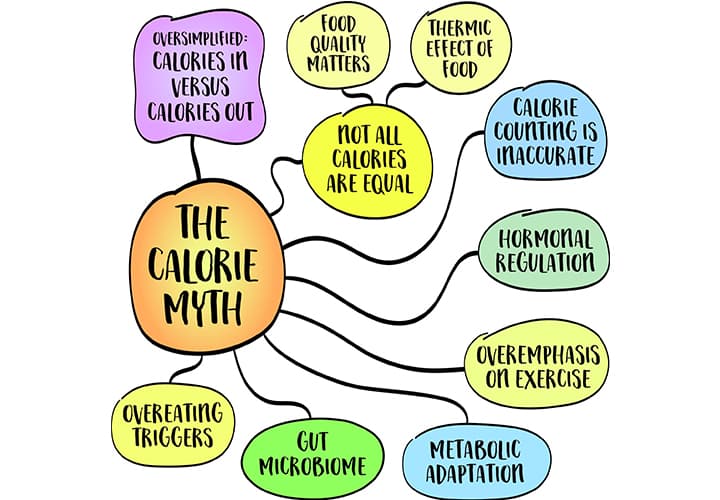
For many years, obesity was considered a simple imbalance between calorie intake and calorie expenditure. While consuming excess calories and leading a sedentary lifestyle remain important contributors, modern research shows that body weight regulation is far more complex. Hormones, genetics, sleep, stress, environmental factors, and the gut microbiome all interact to influence how the body stores fat and regulates metabolism.
The gut microbiome affects obesity through several interconnected pathways. Rather than directly causing weight gain, it influences biological processes that determine how efficiently calories are extracted from food, how hunger is regulated, how much fat is stored, and how the body responds to insulin.
Studies have consistently found differences in the gut microbiota of people with obesity compared with those of healthy weight. Although scientists are still exploring the exact mechanisms, maintaining a diverse and balanced gut microbiome appears to support healthier metabolic function and long-term weight management.
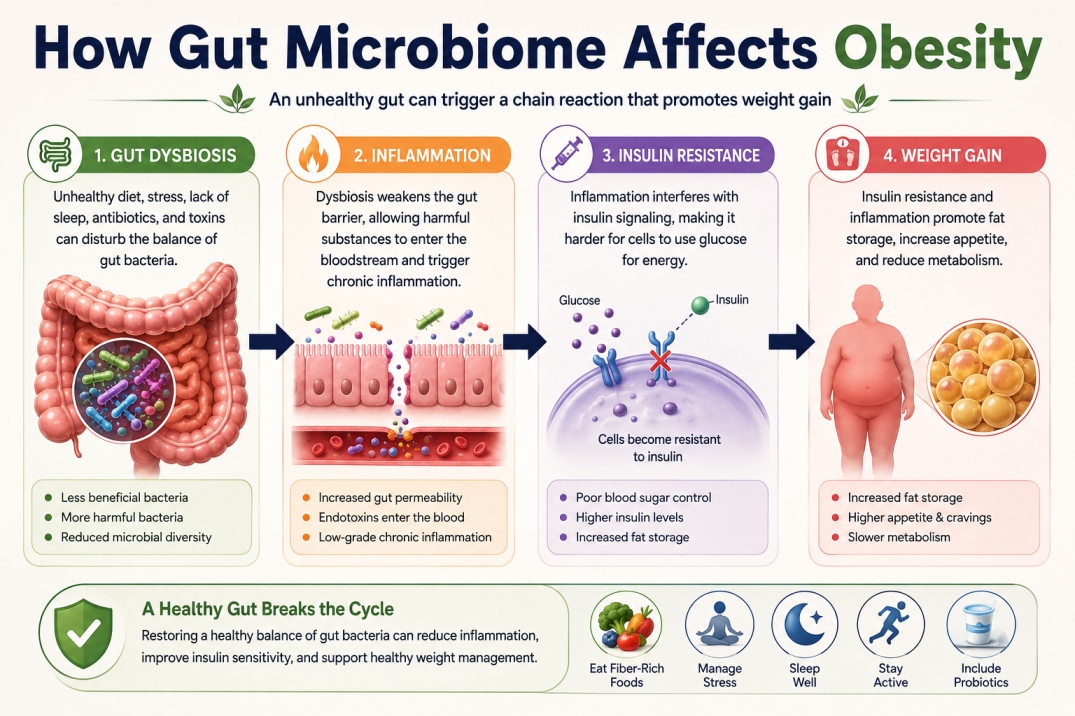
How Gut Bacteria Influence Body Weight
1. Energy Harvest from Food
One of the most fascinating discoveries in microbiome research is that gut bacteria influence how much energy the body extracts from food.
Certain gut bacteria possess enzymes capable of breaking down complex carbohydrates and dietary fibers that human digestive enzymes cannot digest. During this process, bacteria produce compounds that the body can absorb and use as energy.
As a result, people with different gut microbiomes may absorb different amounts of calories from the same meal.
Although this difference is relatively small on a day-to-day basis, over several months or years it may contribute to gradual weight gain in susceptible individuals.
Research has shown that some bacterial populations are more efficient at extracting energy from food, potentially increasing fat storage when calorie intake exceeds the body's needs.
However, calorie intake and physical activity remain the major determinants of body weight, with the gut microbiome acting as one of several influencing factors.
2. Production of Short-Chain Fatty Acids (SCFAs)
Beneficial gut bacteria ferment dietary fiber to produce short-chain fatty acids (SCFAs), which are considered some of the most important metabolites produced by the gut microbiome.
The three primary SCFAs include:
Butyrate
Propionate
Acetate
These compounds have numerous health benefits.
Butyrate
Butyrate serves as the primary energy source for the cells lining the colon.
It helps:
Maintain intestinal integrity
Reduce inflammation
Improve gut barrier function
Support healthy digestion
Propionate
Propionate may help:
Improve blood sugar regulation
Reduce cholesterol production
Increase satiety
Support appetite control
Acetate
Acetate contributes to:
Energy metabolism
Hormone regulation
Fat metabolism
Together, SCFAs help improve metabolic health and may reduce the risk of obesity by supporting insulin sensitivity and reducing chronic inflammation.
3. Appetite Regulation
The gut communicates continuously with the brain through a sophisticated communication network known as the gut-brain axis.
Beneficial bacteria influence the release of several hormones involved in appetite regulation.
These include:
GLP-1 (Glucagon-Like Peptide-1)
GLP-1 helps:
Increase feelings of fullness
Slow stomach emptying
Improve blood sugar control
Reduce appetite
Interestingly, GLP-1 receptor agonist medications used for obesity treatment work by mimicking this naturally occurring hormone.
A fiber-rich diet supports gut bacteria that naturally stimulate GLP-1 production.
Peptide YY (PYY)
PYY is released after eating and signals the brain that sufficient food has been consumed.
Higher PYY levels may:
Reduce appetite
Decrease calorie intake
Improve meal satisfaction
Ghrelin
Known as the "hunger hormone," ghrelin stimulates appetite before meals.
Normally, ghrelin levels decrease after eating.
However, chronic sleep deprivation, stress, and poor dietary habits may disrupt this balance, leading to increased hunger and overeating.
Emerging evidence suggests that a healthy gut microbiome may indirectly support healthier ghrelin regulation.
4. Fat Storage and Energy Balance
The gut microbiome influences several metabolic pathways involved in fat storage.
Beneficial bacteria help regulate:
Lipid metabolism
Fat oxidation
Energy expenditure
Glucose utilization
Some bacterial species appear to promote healthier fat metabolism, while reduced microbial diversity has been associated with increased body fat and abdominal obesity.
Although the relationship is complex, maintaining a balanced microbiome may support healthier body composition.
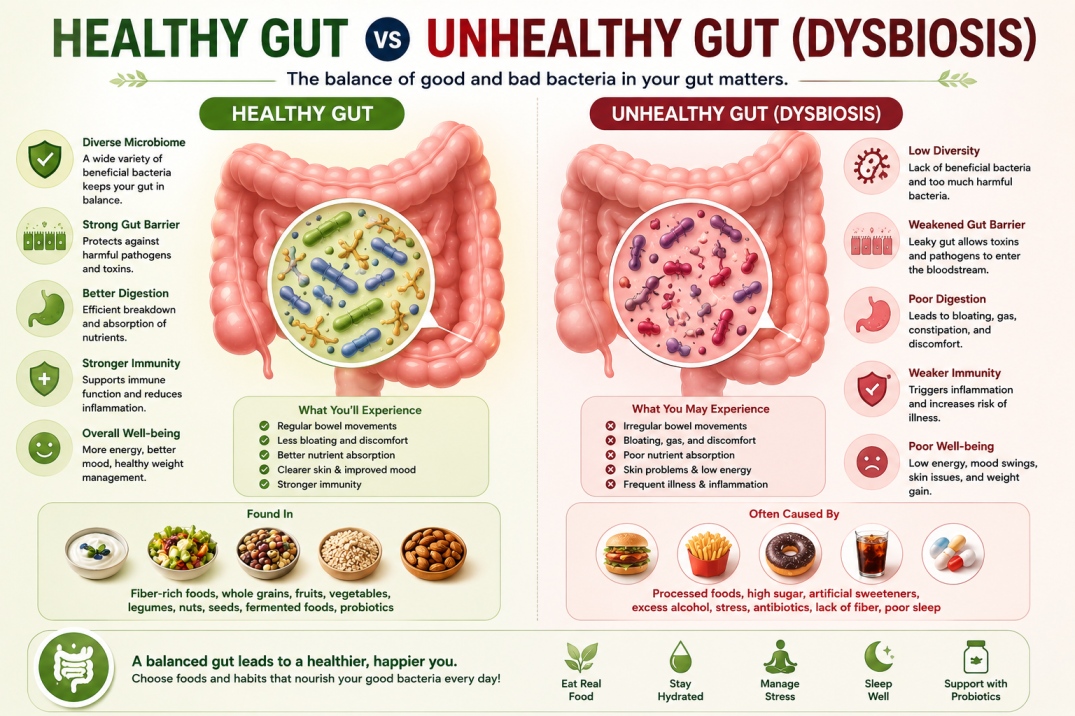
Gut Dysbiosis: When the Gut Microbiome Becomes Imbalanced
Gut dysbiosis refers to an imbalance in the composition, diversity, or function of gut microorganisms.
Instead of a diverse ecosystem containing beneficial bacteria, dysbiosis is characterized by:
Reduced microbial diversity
Decreased beneficial bacteria
Increased potentially harmful bacteria
Impaired gut barrier function
Increased inflammation
Dysbiosis has been associated with numerous chronic diseases, including:
Obesity
Type 2 diabetes
Prediabetes
Insulin resistance
Fatty liver disease (NAFLD/MASLD)
Irritable bowel syndrome (IBS)
Inflammatory bowel disease (IBD)
Cardiovascular disease
Although dysbiosis alone does not cause these conditions, it may contribute to their development alongside other genetic and lifestyle factors.
Common Causes of Gut Dysbiosis
Several everyday habits can negatively affect the gut microbiome.
Diet Low in Fiber
A low-fiber diet deprives beneficial bacteria of their primary food source.
Without adequate fiber, microbial diversity decreases and the production of beneficial SCFAs declines.
Ultra-Processed Foods
Frequent consumption of highly processed foods rich in refined carbohydrates, added sugars, unhealthy fats, and artificial additives has been associated with reduced microbial diversity.
Excess Added Sugar
High sugar intake may encourage the growth of less beneficial bacteria while reducing populations of fiber-fermenting microbes.
Frequent Antibiotic Use
Although antibiotics are lifesaving when needed, repeated or unnecessary use may disrupt the balance of beneficial bacteria.
Recovery often occurs gradually, especially when supported by a fiber-rich diet.
Chronic Stress
Stress hormones can influence gut function, intestinal permeability, and microbial composition.
Long-term psychological stress has been linked to reduced microbial diversity.
Poor Sleep
Insufficient or irregular sleep may alter gut bacteria while increasing inflammation and insulin resistance.
Adults should aim for approximately 7–9 hours of quality sleep each night.
Physical Inactivity
Regular exercise has consistently been associated with healthier gut microbiota and greater bacterial diversity.
Excess Alcohol
Heavy alcohol consumption may damage the intestinal lining, increase gut permeability, and negatively affect beneficial bacteria.
The Gut-Brain Axis
One of the most exciting discoveries in recent nutrition science is the gut-brain axis—a two-way communication network linking the digestive system and the brain.
Rather than functioning independently, the gut and brain constantly exchange information through:
The vagus nerve
Hormones
Immune system signals
Neurotransmitters
Microbial metabolites such as SCFAs
This communication influences:
Appetite
Satiety
Mood
Stress response
Blood sugar regulation
Digestion
Food preferences
Because of this connection, gut health may affect both eating behavior and long-term weight management.
Can Gut Bacteria Influence Food Cravings?
Emerging research suggests that certain gut microorganisms may influence dietary preferences.
Although this field is still evolving, studies indicate that microbial metabolites may interact with brain pathways involved in reward and appetite.
People with poor dietary habits often develop gut microbiomes that thrive on:
Sugary foods
Refined carbohydrates
Highly processed foods
Conversely, gradually increasing dietary fiber and consuming more plant-based foods encourages the growth of beneficial bacteria that support healthier eating patterns.
This highlights the importance of consistent dietary habits rather than relying on short-term restrictive diets.
Why Microbial Diversity Matters
A healthy gut microbiome is characterized by high microbial diversity, meaning it contains many different species of beneficial bacteria.
Greater microbial diversity has been associated with:
Better digestion
Improved immune function
Reduced inflammation
Better insulin sensitivity
Improved metabolic flexibility
Lower risk of obesity
Better cardiovascular health
Improved gut barrier function
In contrast, low microbial diversity has been associated with obesity, type 2 diabetes, and several chronic metabolic diseases.
Increasing dietary variety—especially from plant-based foods—is one of the most effective ways to improve microbial diversity.
Experts often recommend consuming at least 30 different plant foods each week, including vegetables, fruits, legumes, herbs, spices, nuts, seeds, and whole grains, to promote a more diverse gut microbiome.
Great—I'll continue in the same WelloraFit premium blog format.
Gut Microbiome and Metabolism
Metabolism refers to the complex network of chemical processes that convert food into energy, build and repair tissues, regulate hormones, and support every function necessary for life. Although metabolism is influenced by genetics, age, body composition, hormones, and physical activity, emerging research shows that the gut microbiome also plays a significant role in metabolic health.
The trillions of microorganisms residing in the digestive tract produce metabolites that influence how efficiently the body processes carbohydrates, fats, and proteins. They also affect energy expenditure, glucose metabolism, fat storage, and inflammation.
A healthy gut microbiome supports efficient metabolism by producing beneficial compounds such as short-chain fatty acids (SCFAs), maintaining the integrity of the intestinal barrier, and regulating hormones involved in hunger and satiety.
In contrast, gut dysbiosis may contribute to metabolic dysfunction by promoting chronic inflammation, insulin resistance, impaired glucose metabolism, and excessive fat accumulation.
Although improving gut health alone is unlikely to dramatically increase metabolic rate, it may support healthier metabolic function as part of a balanced lifestyle that includes nutritious eating, regular exercise, adequate sleep, and stress management.
How the Gut Microbiome Influences Metabolism
The gut microbiome affects metabolism through several interconnected pathways.
1. Regulating Energy Balance
Beneficial bacteria help regulate how efficiently the body extracts energy from food and influences how that energy is used or stored.
A balanced microbiome supports:
Healthy energy production
Better nutrient utilization
Improved metabolic flexibility
Reduced excessive fat storage
2. Supporting Mitochondrial Function
Healthy gut bacteria produce metabolites that may positively influence mitochondrial function.
Mitochondria are often referred to as the "powerhouses of the cell" because they generate energy for nearly every cellular process.
Healthy mitochondrial function supports:
Energy production
Fat oxidation
Physical performance
Healthy aging
3. Influencing Fat Metabolism
Certain bacterial species may influence:
Lipid digestion
Fat oxidation
Fat storage
Cholesterol metabolism
Although research is ongoing, maintaining microbial diversity appears to support healthier lipid metabolism.
4. Regulating Appetite Hormones
As discussed earlier, gut bacteria influence hormones such as:
GLP-1
Peptide YY (PYY)
Ghrelin
These hormones regulate hunger, fullness, and blood sugar, helping to support sustainable eating habits.
Gut Microbiome and Insulin Resistance
Insulin is a hormone produced by the pancreas that helps move glucose from the bloodstream into cells for energy.
When cells become less responsive to insulin, the body compensates by producing more insulin. This condition is known as insulin resistance, one of the major risk factors for obesity, prediabetes, type 2 diabetes, and metabolic syndrome.
Research suggests that gut dysbiosis may contribute to insulin resistance through several mechanisms.
These include:
Increased intestinal permeability
Chronic inflammation
Reduced SCFA production
Altered bile acid metabolism
Increased endotoxin production
These factors may impair the body's ability to regulate blood sugar effectively.
How Beneficial Gut Bacteria Improve Insulin Sensitivity
A healthy microbiome may improve insulin sensitivity by:
Increasing SCFA production
Reducing inflammation
Supporting healthy gut barrier function
Regulating glucose metabolism
Improving body composition
These benefits reinforce the importance of consuming a diet rich in plant foods and dietary fiber.
Gut Microbiome and Chronic Inflammation
Inflammation is a natural immune response that helps the body fight infections and repair damaged tissues.
However, chronic low-grade inflammation is associated with obesity and many metabolic diseases.
One proposed mechanism linking obesity and gut health involves metabolic endotoxemia.
When gut barrier integrity becomes compromised, bacterial components such as lipopolysaccharides (LPS) may enter the bloodstream.
This can trigger chronic inflammation that contributes to:
Insulin resistance
Weight gain
Fatty liver disease
Cardiovascular disease
Type 2 diabetes
Maintaining a healthy gut barrier through a fiber-rich diet may help reduce this inflammatory response.
The Importance of Dietary Fiber
Dietary fiber is one of the most important nutrients for maintaining a healthy gut microbiome.
Unlike digestible carbohydrates, fiber passes through the small intestine largely unchanged before reaching the colon, where beneficial bacteria ferment it.
This fermentation produces SCFAs that nourish intestinal cells and support metabolic health.
Benefits of Fiber for Gut Health
Adequate fiber intake may:
Improve microbial diversity
Increase SCFA production
Improve bowel regularity
Reduce constipation
Lower cholesterol
Improve blood sugar control
Increase satiety
Support healthy weight management
Reduce inflammation
Promote digestive health
Types of Dietary Fiber
Soluble Fiber
Soluble fiber dissolves in water and forms a gel-like substance.
It helps:
Slow digestion
Improve blood sugar control
Lower LDL cholesterol
Feed beneficial bacteria
Good sources include:
Oats
Apples
Citrus fruits
Psyllium husk
Beans
Lentils
Barley
Insoluble Fiber
Insoluble fiber adds bulk to stool and supports regular bowel movements.
Sources include:
Whole wheat
Brown rice
Vegetables
Nuts
Seeds
Wheat bran
Both types are essential for optimal digestive health.
Daily Fiber Recommendations
Most adults should aim for:
Group
Recommended Intake
Women
25–30 g/day
Men
30–38 g/day
Unfortunately, many adults consume less than half of the recommended amount.
Increasing fiber intake gradually while drinking enough water can help minimize digestive discomfort.
Prebiotics vs. Probiotics
Although these terms are often used interchangeably, prebiotics and probiotics serve different purposes.
What Are Prebiotics?
Prebiotics are non-digestible fibers that act as food for beneficial gut bacteria.
Rather than containing bacteria themselves, prebiotics nourish existing healthy microbes.
Benefits
Increase beneficial bacteria
Improve SCFA production
Support digestive health
Enhance mineral absorption
Improve bowel health
Best Prebiotic Foods
Include:
Garlic
Onion
Leeks
Asparagus
Chicory root
Green bananas
Oats
Apples
Barley
Lentils
Chickpeas
Beans
Aim to consume a variety of these foods regularly.
What Are Probiotics?
Probiotics are live microorganisms that may provide health benefits when consumed in adequate amounts.
They help restore microbial balance and support digestive health.
Natural Sources of Probiotics
Good food sources include:
Yogurt with live cultures
Kefir
Buttermilk (traditional, unsweetened)
Kimchi
Sauerkraut
Miso
Tempeh
Kombucha (low sugar)
Fermented foods can be a valuable part of a balanced diet, although they should complement—not replace—a diet rich in fiber.
Synbiotics
Synbiotics are combinations of prebiotics and probiotics that work together to promote gut health.
Examples include:
Yogurt with oats
Kefir with banana
Curd with flaxseeds
Yogurt topped with berries
Combining probiotics with fiber-rich foods helps beneficial bacteria survive and thrive.
Postbiotics
Postbiotics are beneficial compounds produced by gut bacteria during fermentation.
These include:
Short-chain fatty acids
Peptides
Enzymes
Organic acids
Researchers believe postbiotics may support:
Immune health
Gut barrier integrity
Reduced inflammation
Metabolic health
Although postbiotic supplements are emerging, obtaining these compounds naturally through a high-fiber diet remains the preferred approach.
Best Foods to Improve Gut Health
A healthy gut microbiome thrives on dietary diversity.
Aim to include a wide range of minimally processed plant foods each week.https://wellorafit.com/services/nutrition-diet-planning/
Vegetables
Broccoli
Spinach
Cabbage
Cauliflower
Carrots
Beetroot
Pumpkin
Bell peppers
Bottle gourd
Bitter gourd
Okra
Fruits
Apples
Bananas
Kiwi
Berries
Papaya
Guava
Pears
Oranges
Pomegranate
Whole Grains
Oats
Brown rice
Barley
Whole wheat
Millets
Quinoa
Legumes
Lentils
Chickpeas
Kidney beans
Black beans
Green gram
Soybeans
Nuts and Seeds
Almonds
Walnuts
Pistachios
Chia seeds
Flaxseeds
Pumpkin seeds
Sunflower seeds
Fermented Foods
Yogurt
Curd
Kefir
Kimchi
Sauerkraut
Tempeh
Miso
Herbs and Spices
Many herbs and spices contain polyphenols that beneficial gut bacteria utilize.
Examples include:
Turmeric
Cinnamon
Ginger
Garlic
Black pepper
Rosemary
Oregano
Plant Diversity Matters
Rather than focusing on a single "superfood," experts recommend eating a wide variety of plant foods.
A practical goal is to consume at least 30 different plant-based foods each week, including vegetables, fruits, legumes, herbs, spices, nuts, seeds, and whole grains.
Greater dietary variety supports greater microbial diversity, which is consistently associated with better gut and metabolic health.
Lifestyle Strategies to Support a Healthy Gut Microbiome
A healthy gut microbiome depends not only on what you eat but also on your daily habits. Lifestyle factors such as physical activity, sleep, stress management, hydration, and avoiding harmful habits all contribute to maintaining a diverse and balanced gut microbiome. Small, consistent changes are more effective than short-term diets or expensive supplements.
Foods That Can Harm the Gut Microbiome
Regularly consuming certain foods may reduce microbial diversity and promote the growth of less beneficial bacteria.
Limit These Foods
Sugar-sweetened beverages
Ultra-processed foods
Deep-fried foods
Refined carbohydrates (white bread, pastries, cakes)
Processed meats (sausages, bacon, salami)
Excess alcohol
Artificial sweeteners (consume in moderation if advised)
Occasional consumption is acceptable, but these foods should not form the foundation of a healthy diet.
Lifestyle Habits for a Healthy Gut
A healthy gut is built through everyday habits.
Eat a Variety of Plant Foods
Aim for at least 30 different plant-based foods each week, including fruits, vegetables, legumes, herbs, spices, nuts, seeds, and whole grains.
Stay Hydrated
Drink enough water throughout the day to support digestion and bowel regularity.
Eat Mindfully
Eat slowly, chew food thoroughly, and avoid overeating to support healthy digestion.
Avoid Unnecessary Antibiotics
Only use antibiotics when prescribed by your healthcare provider, as they can disrupt beneficial gut bacteria.
Exercise and the Gut Microbiome
Regular physical activity has been linked to greater microbial diversity and improved metabolic health.
Benefits of Exercise
Increases beneficial bacteria
Improves digestion
Enhances insulin sensitivity
Reduces inflammation
Supports healthy weight management
Recommendation: Aim for 150–300 minutes of moderate-intensity exercise per week, along with 2–3 strength training sessions.https://wellorafit.com/services/fitness-training/
Sleep and Gut Health
Poor sleep can negatively affect the gut microbiome, appetite hormones, and metabolism.
Healthy Sleep Tips
Sleep 7–9 hours each night.
Maintain a consistent sleep schedule.
Limit caffeine late in the day.
Avoid screens before bedtime.
Good sleep supports both gut health and sustainable weight management.
Stress and the Gut Microbiome
Chronic stress may disrupt the balance of gut bacteria and affect digestion.
Stress Management Strategies
Meditation
Deep breathing exercises
Yoga
Walking outdoors
Journaling
Listening to music
Spending time with family and friends
Managing stress benefits both mental health and gut health.
Sample Gut-Friendly Meal Plan
Meal
Healthy Option
Early Morning
Warm water with soaked flaxseeds
Breakfast
Oats with yogurt, berries, and chia seeds
Mid-Morning
Apple with a handful of almonds
Lunch
Brown rice, dal, mixed vegetables, and salad
Evening Snack
Roasted chickpeas or unsweetened buttermilk
Dinner
Grilled paneer/tofu with vegetables and millet roti
Bedtime
Plain yogurt or kefir
Common Myths About Gut Health
Myth 1: Probiotics Alone Can Fix Gut Health
Fact: A fiber-rich, balanced diet is more important than supplements alone.
Myth 2: Detox Drinks Cleanse the Gut
Fact: Your digestive system naturally supports waste elimination. No detox drink can "clean" your gut.
Myth 3: All Bacteria Are Harmful
Fact: Most gut bacteria are beneficial and essential for digestion, immunity, and metabolism.
Myth 4: Gut Health Changes Overnight
Fact: Improving the gut microbiome takes consistent healthy eating and lifestyle habits over weeks to months.
Myth 5: Only Supplements Improve Gut Health
Fact: Whole foods such as fruits, vegetables, legumes, whole grains, and fermented foods are the best way to nourish beneficial gut bacteria.
Daily Gut Health Checklist
✔ Eat 25–38 g of fiber daily.
✔ Include fruits and vegetables with every meal.
✔ Consume fermented foods regularly.
✔ Stay hydrated.
✔ Exercise most days of the week.
✔ Sleep 7–9 hours nightly.
✔ Manage stress effectively.
✔ Limit processed foods and added sugars.
✔ Avoid unnecessary antibiotics.
✔ Eat a variety of plant-based foods every week.
Scientific Evidence on Gut Microbiome and Obesity
Research over the past two decades has established a strong relationship between the gut microbiome and metabolic health. Although obesity is influenced by many factors—including genetics, diet, physical activity, hormones, and environment—gut bacteria play an important role in regulating energy balance, inflammation, and glucose metabolism.
Current scientific evidence suggests that:
A diverse gut microbiome is associated with better metabolic health.
High-fiber diets increase beneficial bacteria and the production of short-chain fatty acids (SCFAs).
Regular consumption of whole plant foods supports microbial diversity.
Fermented foods may improve gut microbial composition.
Regular physical activity positively influences gut bacteria.
Chronic stress, poor sleep, and ultra-processed foods can negatively affect gut health.
Sustainable dietary patterns, such as the Mediterranean diet, are associated with improved gut microbiome diversity and better weight management.
While gut health is an important component of overall wellness, there is no single probiotic, supplement, or "superfood" that can cure obesity. Long-term healthy lifestyle habits remain the cornerstone of effective weight management.
Daily Gut Health Checklist
✔ Eat 25–38 g of fiber every day.
✔ Include a source of protein with each meal.
✔ Eat at least five servings of fruits and vegetables daily.
✔ Include fermented foods such as yogurt or buttermilk regularly.
✔ Drink 2–3 litres of water daily (unless otherwise advised).
✔ Aim for 150–300 minutes of moderate exercise per week.
✔ Strength train 2–3 days weekly.
✔ Sleep 7–9 hours every night.
✔ Manage stress through relaxation techniques or physical activity.
✔ Limit added sugars, refined carbohydrates, and ultra-processed foods.
✔ Avoid smoking and excessive alcohol.
✔ Eat a wide variety of plant-based foods every week.
Key Takeaways
The gut microbiome consists of trillions of microorganisms that support digestion, immunity, metabolism, and overall health.
A healthy gut microbiome may help regulate appetite, improve insulin sensitivity, reduce inflammation, and support sustainable weight management.
Dietary fiber is one of the most important nutrients for nourishing beneficial gut bacteria.
Prebiotic foods feed healthy bacteria, while probiotic foods introduce beneficial microorganisms into the digestive system.
Eating a diverse range of fruits, vegetables, legumes, whole grains, nuts, and seeds promotes microbial diversity.
Lifestyle habits such as regular exercise, adequate sleep, stress management, and hydration are essential for maintaining gut health.
There is no quick fix for improving the gut microbiome; consistent healthy eating and lifestyle habits provide the greatest long-term benefits.
Conclusion
The gut microbiome has emerged as an important factor in understanding obesity and metabolic health. Rather than simply helping digest food, gut bacteria influence appetite regulation, insulin sensitivity, inflammation, energy metabolism, and communication between the gut and the brain. These interactions highlight the significant role that a healthy gut plays in overall well-being.
Although researchers continue to explore the complex relationship between gut bacteria and body weight, current evidence consistently supports a diet rich in fiber, whole plant foods, fermented foods, and minimally processed ingredients as one of the best ways to maintain a healthy gut microbiome. Combined with regular physical activity, adequate sleep, effective stress management, and mindful eating, these habits contribute to improved metabolic health and sustainable weight management.
It is important to remember that there is no single food, supplement, or probiotic that can "fix" the gut or reverse obesity overnight. Instead, lasting improvements come from consistent, balanced lifestyle choices practiced over time.
By caring for your gut microbiome, you are not only supporting healthy digestion but also investing in better metabolism, stronger immunity, improved energy levels, and long-term overall health.
Frequently Asked Questions (FAQ)
1. What is the gut microbiome?
The gut microbiome is the collection of trillions of microorganisms, including bacteria, fungi, and viruses, that live in the digestive tract and help regulate digestion, immunity, and metabolism.
2. Can gut bacteria cause obesity?
Gut bacteria alone do not cause obesity, but an unhealthy gut microbiome may contribute to weight gain by affecting metabolism, appetite, inflammation, and insulin sensitivity.
3. Which foods improve gut health?
Fiber-rich foods such as fruits, vegetables, legumes, whole grains, nuts, seeds, and fermented foods like yogurt, kefir, kimchi, and sauerkraut support a healthy gut microbiome.
4. What are prebiotics?
Prebiotics are non-digestible fibers that nourish beneficial gut bacteria. Foods such as garlic, onions, oats, bananas, asparagus, and legumes are excellent sources.
5. What are probiotics?
Probiotics are live beneficial microorganisms found in fermented foods and some supplements that help maintain a healthy balance of gut bacteria.
6. How much fiber should adults eat daily?
Most adults should aim for 25–38 grams of dietary fiber per day, depending on age and sex.
7. Can probiotics help with weight loss?
Probiotics may support gut health, but they should complement a balanced diet and healthy lifestyle rather than be relied upon as a weight-loss solution.
8. How long does it take to improve gut health?
Positive changes in the gut microbiome may begin within a few weeks of adopting healthier eating habits, but maintaining long-term improvements requires consistent lifestyle changes.
9. Does exercise improve the gut microbiome?
Yes. Regular physical activity has been associated with greater microbial diversity and improved metabolic health.
10. Can antibiotics affect gut bacteria?
Yes. Antibiotics can reduce both harmful and beneficial bacteria. They should only be used when prescribed, and recovery of the gut microbiome may be supported by a balanced, fiber-rich diet.
Ready to Begin Your Health Journey?
Get a personalized, medically guided plan built around your unique biology.