Calcium Beyond Milk: The Best Dietary Sources
When most people hear the word calcium, they immediately think of milk.
And for good reason—milk, curd and other dairy foods can provide substantial amounts of calcium.
But milk is not the only way to get calcium.
This matters for people who:
Are lactose intolerant
Have a milk allergy
Follow a vegan diet
Prefer to limit dairy
Simply want more variety in their diet
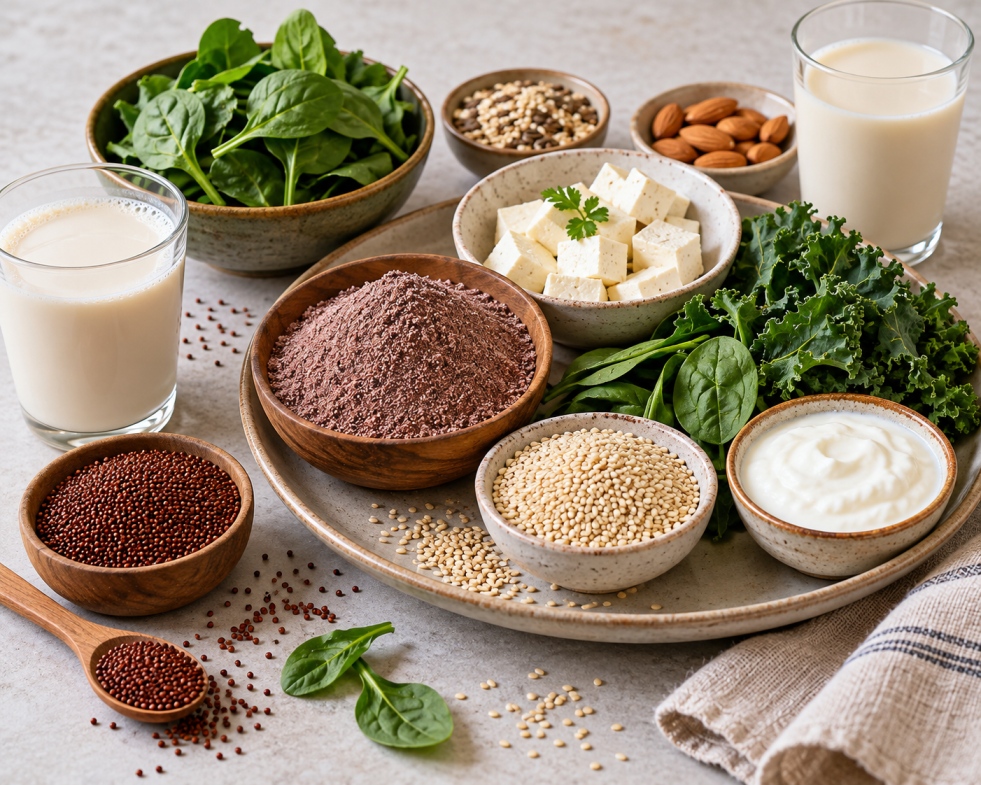
Fortunately, calcium is found in a wide range of foods, including ragi, sesame seeds, certain leafy vegetables, legumes, tofu, fish with edible bones and calcium-fortified foods.
The bigger question is not:
"Do I drink milk?"
It is:
"Does my overall diet provide enough calcium from reliable sources?"
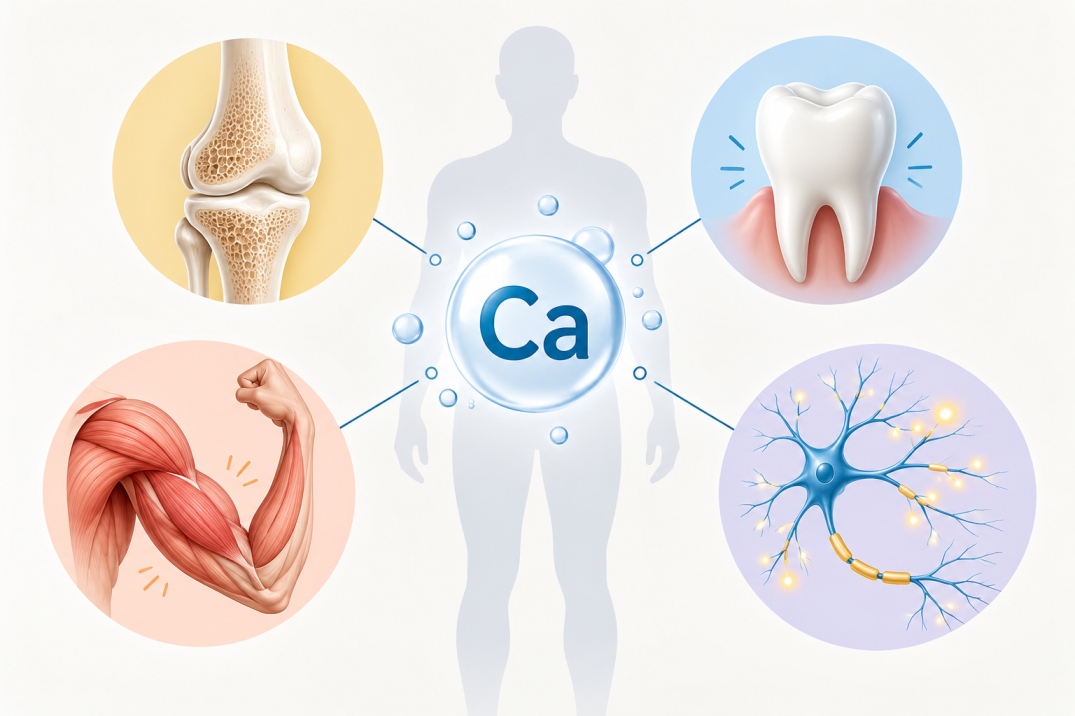
Calcium is the most abundant mineral in the body and is essential for much more than bones. It is involved in muscle movement, nerve signaling, blood-vessel function and hormone release. Vitamin D also helps the body absorb calcium.
Let's look at how to get enough calcium—with or without milk.
What Is Calcium?
Calcium is an essential mineral that your body needs throughout life.
Almost all of the body's calcium is stored in the bones and teeth, where it provides structure and strength.
The remaining calcium is involved in important physiological processes, including:
Muscle contraction
Nerve signaling
Blood-vessel function
Hormone release
Normal cellular processes
Your body keeps blood calcium within a tightly controlled range. When dietary calcium intake is inadequate over time, the body can draw calcium from bones to help maintain this balance.
That is why calcium intake matters for long-term bone health, not just childhood growth.https://ods.od.nih.gov/factsheets/Calcium-HealthProfessional/
Why Does Your Body Need Calcium?
1. Calcium Supports Strong Bones
Bones are living tissues that are continuously being broken down and rebuilt.
Calcium is an essential structural component of bone.
During childhood and adolescence, adequate calcium supports normal bone development. During adulthood, adequate intake helps maintain the mineral content of bones.
As people age, maintaining bone health becomes particularly important.
2. Calcium Supports Healthy Teeth
Calcium contributes to the structure and mineralization of teeth.
However, healthy teeth require more than calcium.
Oral hygiene, fluoride exposure, overall diet and dental care all matter.
3. Calcium Helps Muscles Contract
Calcium plays a central role in muscle contraction.
Every time you move:
Your muscles need calcium.
This includes skeletal muscles as well as other types of muscle tissue.
Calcium works together with magnesium and other electrolytes to support normal muscle function.
4. Calcium Supports Nerve Signaling
Calcium is involved in the transmission of signals between nerve cells.
Your nervous system depends on tightly controlled movement of ions, including calcium, to communicate effectively.
5. Calcium Is Involved in Blood Clotting
Calcium is also required for several steps in the body's normal blood-clotting process.
This is another reason calcium is essential even though most of it is stored in bones.
How Much Calcium Do You Need?
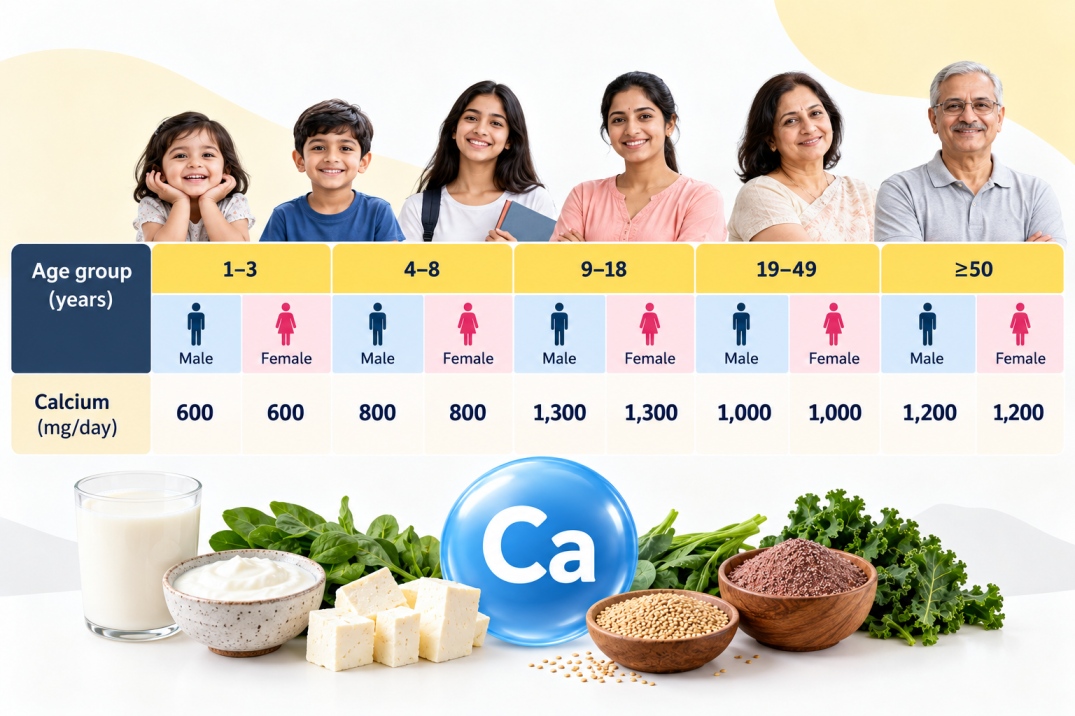
Calcium requirements vary according to age, sex and life stage.
For general adult reference, the NIH recommends:
Life Stage
Calcium Recommendation
Adults 19–50 years
1,000 mg/day
Men 51–70 years
1,000 mg/day
Women 51–70 years
1,200 mg/day
Adults 71+ years
1,200 mg/day
Pregnant/breastfeeding adults
1,000 mg/day
Pregnant/breastfeeding teenagers
1,300 mg/day
For Indian dietary planning, ICMR-NIN provides its own nutrient-requirement framework for Indians. Its current RDA resources are based on the ICMR-NIN expert-group recommendations.
Important: These are population-level recommendations. A person's individual needs may differ depending on age, health status, diet and medical circumstances.
https://ods.od.nih.gov/factsheets/Calcium-HealthProfessional/
Is Milk the Only Good Source of Calcium?
No.
Milk is a convenient and concentrated source, but several other foods can contribute significantly to calcium intake.
These include:
Dairy foods
Milk
Curd
Yogurt
Paneer
Cheese
Plant-based foods
Ragi
Sesame seeds
Certain leafy greens
Some legumes
Calcium-set tofu
Fortified foods
Fortified plant-based milk
Fortified cereals
Some fortified beverages
Animal foods
Sardines and other small fish eaten with bones
The NIH specifically lists dairy foods, canned sardines and salmon with bones, certain vegetables, calcium-fortified beverages, some tofu and fortified cereals as calcium sources.
The Best Calcium-Rich Foods Beyond Milk
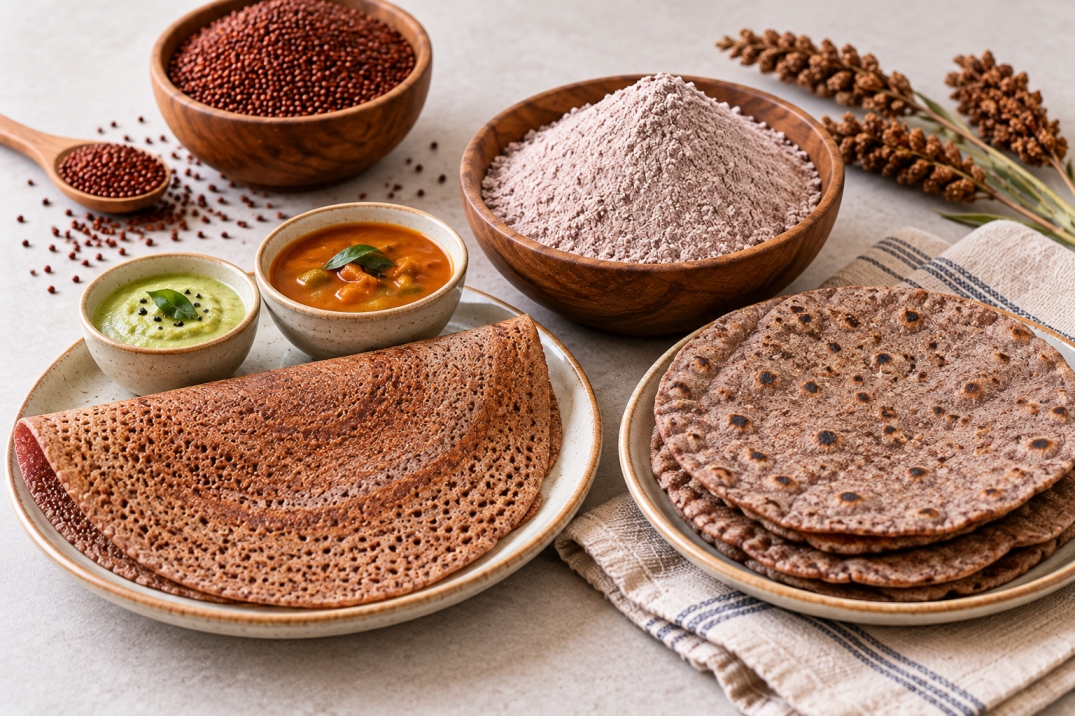
1. Ragi
Ragi, also called finger millet, is one of the most useful traditional Indian foods to include when discussing dietary calcium.
It can be used in:
Ragi dosa
Ragi roti
Ragi porridge
Ragi idli
Ragi malt
It is particularly useful because it fits naturally into Indian vegetarian diets.
However, one food should not be expected to meet your entire calcium requirement.
Think of ragi as one contributor to a calcium-rich dietary pattern.
2. Sesame Seeds
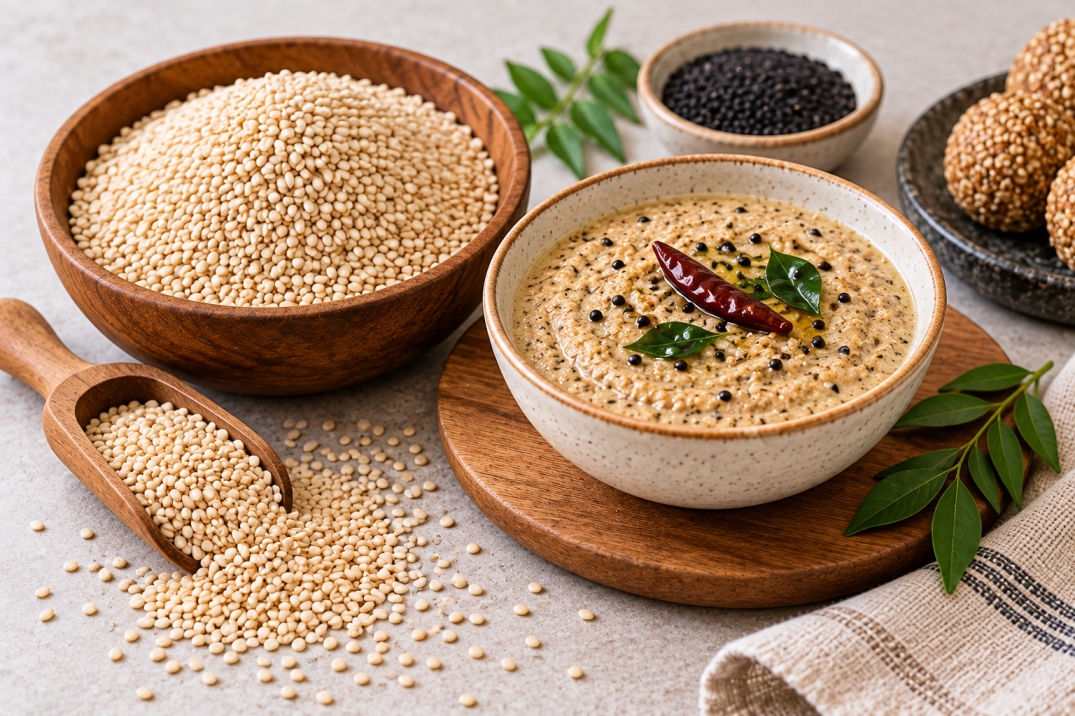
Sesame seeds are another practical option.
They can be incorporated into:
Til chutney
Vegetable preparations
Seed mixes
Salads
Homemade snacks
Sesame seeds are also rich in healthy fats and other nutrients.
Because seeds are energy-dense, use them in sensible portions.
3. Calcium-Set Tofu
Tofu can be an excellent plant-based calcium source when calcium salts are used during processing.
This is an important distinction.
Not every tofu product contains the same amount of calcium.
When purchasing tofu, check the nutrition label for calcium content.
For people following vegan diets, calcium-set tofu can be particularly useful.
4. Leafy Green Vegetables
Certain leafy vegetables contain calcium.
Examples include:
Amaranth leaves
Kale
Some varieties of mustard greens
Other leafy vegetables
But there is an important point:
Calcium content and calcium absorption are not the same thing.
Some vegetables contain compounds such as oxalates that can reduce calcium absorption.
For example, spinach contains calcium, but much of that calcium is less bioavailable because of its oxalate content.
So don't assume:
"More calcium on paper = more calcium absorbed."
Dietary variety is more useful.
5. Broccoli and Certain Vegetables
Broccoli and some other vegetables can contribute calcium while also providing:
Fiber
Vitamin C
Vitamin K
Folate
Other plant compounds
The NIH identifies broccoli and certain other vegetables as dietary calcium sources.
6. Chickpeas and Other Legumes
Legumes such as:
Chickpeas
Rajma
Lobia
Some dals
can contribute calcium along with:
Protein
Fiber
Iron
Magnesium
Folate
This makes legumes particularly useful in vegetarian diets.
However, their calcium contribution varies by food and preparation, so they should be considered part of the overall calcium intake, rather than the only source.
7. Soybeans
Soybeans naturally contain calcium and can contribute to a plant-based diet.
Soy foods can also provide protein.
Useful options include:
Soybean curry
Tofu
Soy-based preparations
Fortified soy beverages
8. Fortified Plant-Based Milk
For people who don't consume dairy, fortified plant milk can be extremely useful.
Examples include:
Calcium-fortified soy milk
Calcium-fortified almond milk
Calcium-fortified oat milk
But don't assume every product contains calcium.
Check the nutrition label.
Fortification varies between brands and products.
The NIH specifically recommends checking labels to determine whether plant-based beverages have calcium added.
9. Fortified Breakfast Cereals
Some breakfast cereals are fortified with calcium.
They can contribute to overall intake, particularly when combined with:
Fortified milk
Fortified plant milk
Yogurt/curd
Nuts and seeds
Fruit
Again, check the label rather than assuming all cereals are fortified.
10. Fish With Edible Bones
For people who eat fish, some small fish eaten with their soft edible bones can provide substantial calcium.
Canned sardines and canned salmon with bones are examples recognized as calcium sources.
In Indian diets, certain small fish are traditionally consumed with bones and can contribute calcium.
11. Curd and Yogurt
If you consume dairy but don't enjoy drinking milk, curd and yogurt can still contribute calcium.
This makes them particularly practical for Indian meals.
Try:
Curd with lunch
Vegetable raita
Plain yogurt with breakfast
Curd with roasted chana
Unsweetened yogurt with fruit
12. Paneer
Paneer can contribute calcium along with protein.
It can be included as:
Paneer bhurji
Palak paneer
Paneer tikka
Paneer with vegetables
However, paneer can also be relatively energy-dense depending on preparation.
For weight management, use an appropriate portion rather than treating it as an unlimited calcium source. https://wellorafit.com/services/nutrition-diet-planning/
Calcium-Rich Foods at a Glance
Food
Type
Practical Use
Ragi
Plant-based
Dosa, roti, porridge
Sesame seeds
Plant-based
Chutney, topping, recipes
Calcium-set tofu
Plant-based
Curry, bhurji, stir-fry
Amaranth/selected greens
Plant-based
Sabzi, dal
Broccoli
Plant-based
Sabzi, stir-fry
Chickpeas
Plant-based
Chole, chaat
Soybeans
Plant-based
Curry
Fortified plant milk
Fortified
Breakfast, beverages
Fortified cereal
Fortified
Breakfast
Curd/yogurt
Dairy
Meals, snacks
Paneer
Dairy
Indian meals
Sardines/small fish with bones
Non-vegetarian
Main meal
Calcium Without Milk: Is It Possible?
Absolutely.
If you don't drink milk, you can still build a calcium-supportive diet.
For example:
Breakfast
Ragi dosa + calcium-fortified plant milk
Lunch
Chole + roti + vegetable + salad
Snack
Curd or fortified plant-based yogurt
Dinner
Calcium-set tofu + vegetables + roti
Add-ons
Sesame seeds and other calcium-containing foods in moderate portions.
The important point is to spread calcium sources throughout the day rather than relying on one food.
Calcium for Vegetarians
Vegetarians have many options.
A well-planned vegetarian diet can include calcium from:
Curd
Milk
Paneer
Ragi
Sesame
Tofu
Legumes
Selected leafy vegetables
Fortified foods
The key is variety.
A vegetarian diet consisting mainly of refined grains and processed snacks may be low in several nutrients, while a varied diet containing legumes, whole grains, vegetables, nuts and seeds can provide a much broader nutritional profile.
Calcium for Vegans
A vegan diet requires more deliberate planning because dairy foods are excluded.
Useful options include:
Calcium-fortified plant milk
Calcium-set tofu
Ragi
Sesame seeds
Certain leafy greens
Legumes
Fortified cereals
The most important habit is:
Check food labels for calcium fortification.
A plant-based product is not automatically calcium-rich.
Calcium Absorption: Why the Food Source Matters
Eating calcium is only part of the story.
Your body also has to absorb it.
Several factors influence calcium absorption.
Vitamin D and Calcium
Vitamin D helps your body absorb calcium.
This means calcium and vitamin D should be considered together.
A diet can contain calcium, but inadequate vitamin D can interfere with efficient calcium absorption.
This is one reason bone health is not simply about drinking milk.
Think:
Calcium + Vitamin D + Protein + Exercise
rather than focusing on calcium alone.
For more on vitamin D, see:
Vitamin D Deficiency: Food, Sunlight and Lifestyle
What About Phytates?
Phytates are naturally occurring compounds found in foods such as:
Whole grains
Legumes
Nuts
Seeds
They can bind minerals and reduce their absorption to some degree.
But this does not mean you should avoid these foods.
Legumes, whole grains, nuts and seeds provide many beneficial nutrients.
Traditional preparation methods such as:
Soaking
Sprouting
Fermentation
Cooking
can alter phytate levels and improve mineral bioavailability in some foods.
The better approach is dietary variety, not eliminating nutritious plant foods.
What About Oxalates?
Oxalates can strongly bind calcium.
This matters particularly with certain leafy vegetables.
For example, spinach contains calcium, but its calcium is not as well absorbed as calcium from some lower-oxalate vegetables.
This is why it is better to eat a variety of calcium-containing vegetables rather than relying on spinach alone.
Does Cooking Affect Calcium?
Calcium itself is a mineral and is not destroyed by heat in the same way some vitamins can be.
However, cooking methods can affect how much calcium remains in the food or cooking water.
For example, if a food is boiled and the cooking water is discarded, some water-soluble nutrients may be lost.
For calcium, the larger issue is generally overall food choice and bioavailability, rather than avoiding cooked foods.https://wellorafit.com/services/nutrition-diet-planning/
How Does Calcium Work With Magnesium?
Calcium and magnesium are both important minerals involved in:
Muscle function
Nerve signaling
Bone health
They work within the body's tightly regulated mineral systems.
This does not mean you need to calculate a perfect calcium-to-magnesium ratio at every meal.
A varied diet containing:
Dairy or fortified alternatives
Legumes
Whole grains
Nuts
Seeds
Vegetables
naturally supplies both minerals.
Calcium and Protein: The Bone Health Connection
Protein is another important part of bone health.
Bones contain a protein framework that becomes mineralized with calcium and other minerals.
Therefore, a bone-supportive diet should not focus only on calcium.
Include adequate protein through:
Dal
Beans
Soy
Paneer
Curd
Eggs
Fish
Lean meat
Other suitable protein sources
depending on your dietary pattern.
Calcium and Exercise
Nutrition is only one part of bone health.
Physical activity matters too.
Weight-bearing and resistance exercises can support bone and muscle health.
Examples include:
Brisk walking
Stair climbing
Squats
Resistance-band exercises
Strength training
Dancing
For older adults, balance and strength exercises are especially valuable.
Calcium and Women's Health
Calcium becomes particularly important for women across different life stages.
Important periods include:
Adolescence
Pregnancy
Lactation
Perimenopause
Menopause
Older adulthood
After menopause, changes in estrogen levels contribute to accelerated bone loss.
This makes it particularly important to maintain:
Calcium + Vitamin D + Protein + Resistance/weight-bearing activity
rather than waiting until later life to think about bone health.
ICMR-NIN's educational material also highlights the importance of calcium for women before menopause.
Calcium After Menopause
Menopause does not mean every woman needs calcium supplements.
It means bone health deserves attention.
Prioritize:
Adequate calcium from food
Vitamin D
Protein
Strength training
Weight-bearing activity
Healthy body weight
Avoiding smoking
Limiting excessive alcohol
If you have osteoporosis or a high fracture risk, calcium and vitamin D recommendations should be individualized by your healthcare professional.
Calcium During Pregnancy
Pregnancy increases nutritional demands, but calcium supplementation should not automatically be started without considering the individual's diet and medical situation.
Calcium-rich foods can include:
Milk
Curd
Paneer
Ragi
Sesame
Calcium-fortified foods
Other appropriate sources
Pregnant women should follow individualized advice from their doctor or qualified dietitian, particularly if supplementation is being considered.
What Happens If You Don't Get Enough Calcium?
Inadequate calcium intake over time can contribute to poor bone health.
The body can draw calcium from bones to maintain blood calcium levels.
Long-term inadequate intake may contribute to:
Reduced bone mineral density
Osteoporosis
Increased fracture risk
Calcium deficiency itself may not always produce obvious early symptoms.
That is why prevention through a balanced diet is preferable to waiting for symptoms.
The NIH notes that inadequate calcium intake can contribute to conditions including osteoporosis.
Are Muscle Cramps a Sign of Calcium Deficiency?
Calcium plays a role in muscle contraction, but a muscle cramp does not automatically mean calcium deficiency.
Cramps can have many causes, including:
Exercise
Dehydration
Electrolyte disturbances
Muscle fatigue
Certain medications
Other medical conditions
Persistent or severe symptoms should be evaluated rather than self-treated with calcium supplements.
Do You Need Calcium Supplements?
Not everyone does.
The preferred approach is generally to obtain nutrients through food whenever possible.
A calcium supplement may be considered when:
Dietary intake is consistently inadequate
A healthcare professional identifies increased requirements
Certain medical conditions affect calcium intake or absorption
A person cannot obtain enough calcium through food
The NIH notes that supplements are available but emphasizes obtaining nutrients from food and beverages when possible.
Can Too Much Calcium Be Harmful?
Yes.
More calcium is not automatically better.
Excess calcium—particularly from unnecessary supplementation—can cause problems in some people.
High supplemental intake may contribute to:
Constipation
Bloating
Gas
Kidney stone risk in susceptible individuals
Other health concerns depending on dose and individual factors
The NIH provides upper intake limits that include calcium from food, beverages and supplements.
Therefore:
Don't take high-dose calcium supplements simply because calcium is good for bones.
Calcium Supplements and Medication Interactions
Calcium supplements can interfere with the absorption of certain medicines.
For example, calcium can interact with some:
Thyroid medicines
Antibiotics
Other medications
If you take regular medication, ask your doctor or pharmacist about appropriate timing.
Don't change prescribed medication based on a nutrition article.
Common Calcium Myths
Myth 1: Milk Is the Only Good Source of Calcium
Fact: Milk is an excellent source, but ragi, sesame, calcium-set tofu, selected vegetables, legumes, fortified foods and fish with edible bones can also contribute.
Myth 2: All Leafy Greens Are Equally Good Calcium Sources
Fact: Calcium content and absorption vary considerably between vegetables.
Some greens contain compounds that reduce calcium absorption.
Myth 3: If You Don't Drink Milk, You Will Become Calcium Deficient
Fact: You can meet calcium needs through a combination of dairy alternatives, fortified foods and plant or animal sources.
Myth 4: Calcium Supplements Are Always Better Than Food
Fact: Supplements are useful in some situations, but they are not automatically superior to food.
Myth 5: More Calcium Means Stronger Bones
Fact: Bone health depends on calcium plus vitamin D, protein, physical activity and other factors.
Myth 6: Ragi Alone Can Meet All Your Calcium Needs
Fact: Ragi is a valuable calcium-containing food, but no single food needs to carry the entire burden of meeting your nutritional requirements.
Myth 7: You Only Need to Think About Calcium After Menopause
Fact: Bone development and maintenance occur throughout life. Building healthy habits earlier is important.
A Practical Calcium-Rich Indian Vegetarian Day
This is an example of how calcium-containing foods can be distributed across a day. It is not an individualized diet plan.
Breakfast
2 ragi dosas + vegetable sambar
Mid-Morning
Fruit + small portion of sesame/nut mix
Lunch
2 rotis + dal + vegetable + curd
Evening
Roasted chana + fortified beverage if required
Dinner
Calcium-set tofu/paneer + vegetables + roti
This pattern provides calcium from multiple sources rather than depending on milk alone.
A Dairy-Free Calcium-Rich Day
Breakfast
Ragi dosa + calcium-fortified soy milk
Mid-Morning
Fruit + sesame seed-based snack
Lunch
Chole + roti + vegetables
Evening
Calcium-fortified plant yogurt or beverage
Dinner
Calcium-set tofu + vegetables + millet roti
This demonstrates an important principle:
Dairy-free does not have to mean calcium-free.
How to Build a Calcium-Rich Plate
At each major meal, try to include at least one calcium-containing food.
Breakfast
Ragi / fortified beverage
Lunch
Curd / legumes / calcium-containing vegetables
Snack
Sesame / fortified food / yogurt
Dinner
Tofu / paneer / legumes / calcium-containing vegetables
This makes calcium intake part of your routine rather than something you have to calculate constantly.
Calcium Food Swaps
Small substitutions can make a difference.
Instead of
Consider
Tea + biscuits
Ragi-based breakfast
Refined cereal only
Fortified cereal + fortified milk
Plain rice meal
Rice + dal + calcium-containing side
Processed snack
Roasted chana + seeds
Regular plant milk with no fortification
Calcium-fortified plant milk
Refined grain-heavy meal
Include ragi or another whole grain
Dairy-free diet with no planning
Add tofu, ragi, sesame and fortified foods
How to Read a Calcium Food Label
When buying packaged foods, look for:
Calcium
in the nutrition information.
This is particularly important for:
Plant-based milk
Plant-based yogurt
Tofu
Breakfast cereals
Fortified beverages
Don't assume:
"Vegan" = calcium-rich
or
"Plant-based" = calcium-fortified.
Check the label.
Calcium and Weight Loss
Calcium-rich foods can absolutely fit into a weight-management diet.
The key is choosing appropriate portions and considering the whole food.
For example:
Curd
Low-fat dairy where suitable
Ragi
Dal
Vegetables
Tofu
can fit into balanced meals.
However, calcium itself is not a fat-burning nutrient.
There is no need to take calcium supplements as a weight-loss strategy.
For sustainable weight management, focus on:
Calorie balance
Protein
Fiber
Whole foods
Regular movement
Strength training
Sleep
7 Easy Ways to Get More Calcium Without Relying Only on Milk
1. Add Ragi
Use ragi dosa, roti or porridge.
2. Use Sesame Seeds
Add til to chutneys, vegetables or meals.
3. Choose Calcium-Set Tofu
Check the label for calcium content.
4. Include Curd
If you consume dairy, curd is an easy everyday option.
5. Eat Legumes Regularly
Include chole, rajma, lobia and dals.
6. Choose Fortified Foods
Look for calcium-fortified plant milk and cereals.
7. Eat a Variety of Vegetables
Don't rely on one leafy vegetable for calcium.
The Bigger Picture: Calcium Is Part of a Bone-Healthy Lifestyle
If your goal is stronger bones, don't stop at calcium.
Think about your four-part bone-health foundation:
1. Calcium
From food and supplements when necessary.
2. Vitamin D
Supports calcium absorption.
3. Protein
Provides structural support for bone and muscle.
4. Exercise
Resistance and weight-bearing activity help maintain musculoskeletal health.
This is a much stronger strategy than simply drinking more milk.
Key Takeaways
Calcium is essential for bones, teeth, muscles, nerves and other physiological functions.
Milk is an excellent calcium source, but it is not the only one.
Ragi, sesame seeds, calcium-set tofu, selected leafy vegetables, legumes and fortified foods can contribute calcium.
Curd, yogurt and paneer remain useful options for people who consume dairy.
Fish eaten with edible bones can be a valuable non-vegetarian source.
Fortified plant-based milk can be especially useful for vegans and people who avoid dairy.
Always check the label because not every plant-based product is calcium-fortified.
Calcium absorption depends on the food source and other dietary factors.
Vitamin D helps the body absorb calcium.
Bone health also depends on adequate protein and physical activity.
Calcium needs vary by age and life stage.
Women should pay particular attention to bone health as they approach and go through menopause.
More calcium is not automatically better.
Calcium supplements should be used when appropriate rather than automatically.
A varied Indian diet can provide calcium without relying exclusively on milk.
Conclusion
Milk has earned its reputation as a calcium-rich food, but it doesn't have to be the center of your entire calcium strategy.
If you enjoy milk and tolerate dairy, it can be a convenient part of a healthy diet.
But if you don't drink milk, you still have plenty of options.
Ragi + sesame + legumes + calcium-set tofu + leafy vegetables + fortified foods + dairy alternatives
can all contribute to a calcium-supportive diet.
And for people who consume dairy, foods such as curd, yogurt and paneer add even more variety.
The most important lesson is that calcium works best as part of an overall lifestyle.
Calcium + Vitamin D + Protein + Exercise = a stronger foundation for bone health.
So instead of asking:
"How much milk do I drink?"
ask:
"How many reliable calcium sources do I include across my day?"
That small change in thinking can make your diet more flexible, practical and sustainable.
And if you have osteoporosis, a history of fractures, significant dietary restrictions, kidney problems or concerns about calcium deficiency, speak with a qualified healthcare professional before starting calcium supplements.
Healthy nutrition isn't about depending on one food. It's about building a balanced diet that meets your body's needs.
FAQ
1. Is milk the only source of calcium?
No. Ragi, sesame seeds, calcium-set tofu, certain vegetables, legumes, fortified foods and fish with edible bones can also provide calcium.
2. Which Indian foods are rich in calcium?
Ragi, sesame seeds, certain leafy vegetables, legumes and calcium-set tofu are useful options. Dairy foods such as curd, paneer and milk are also good sources.
3. Can I get enough calcium without dairy?
Yes. A carefully planned diet can provide calcium through fortified plant-based beverages, calcium-set tofu, ragi, sesame, legumes and selected vegetables.
4. Is ragi a good source of calcium?
Yes. Ragi is a calcium-containing traditional Indian grain and can be a useful part of a calcium-rich diet. However, no single food should be expected to meet all calcium requirements.
5. Does spinach provide calcium?
Spinach contains calcium, but its oxalate content reduces calcium absorption. Therefore, it should not be your only calcium-rich vegetable.
6. Does vitamin D help calcium absorption?
Yes. Vitamin D helps the body absorb calcium.
7. Can vegans get enough calcium?
Yes, but they need to plan their diet carefully. Calcium-fortified plant milk, calcium-set tofu, ragi, sesame seeds, legumes and appropriate vegetables can help.
8. How much calcium do adults need?
Requirements vary by age and sex. For example, the NIH recommends 1,000 mg/day for most adults aged 19–50, while women aged 51–70 and adults 71+ are recommended 1,200 mg/day.
9. Is paneer a good calcium source?
Paneer can contribute calcium as well as protein, although the exact amount varies by product and preparation.
10. Are calcium supplements necessary?
Not for everyone. Many people can obtain calcium from food. Supplements may be appropriate when dietary intake is inadequate or when recommended by a healthcare professional.
11. Can too much calcium be harmful?
Yes. Excessive calcium, particularly from unnecessary supplementation, can cause adverse effects. The appropriate intake depends on individual needs.
12. Is calcium important after menopause?
Yes. Maintaining adequate calcium, vitamin D, protein and physical activity is particularly important for supporting bone health as women age.
Ready to Begin Your Health Journey?
Get a personalized, medically guided plan built around your unique biology.