Belly Fat Weight Loss: Causes and Sustainable Solutions
Belly Fat: Causes and Evidence-Based Solutions for Healthy and Sustainable Fat Loss
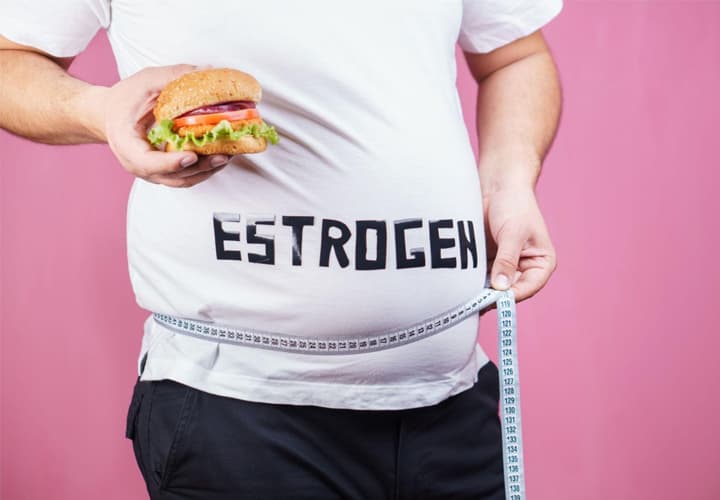
Belly fat is one of the most common concerns among people trying to improve their health, fitness, and body composition.
Many people notice that fat around the abdomen can be particularly difficult to lose. This often leads to searches for quick solutions such as detox drinks, belly-fat-burning foods, special exercises, supplements, or extreme diets.
However, reducing belly fat is more complex than targeting one specific area of the body.
Where your body stores and loses fat is influenced by several factors, including genetics, age, sex, hormones, overall body fat, lifestyle, sleep, stress, diet, and physical activity.
More importantly, not all belly fat is the same.
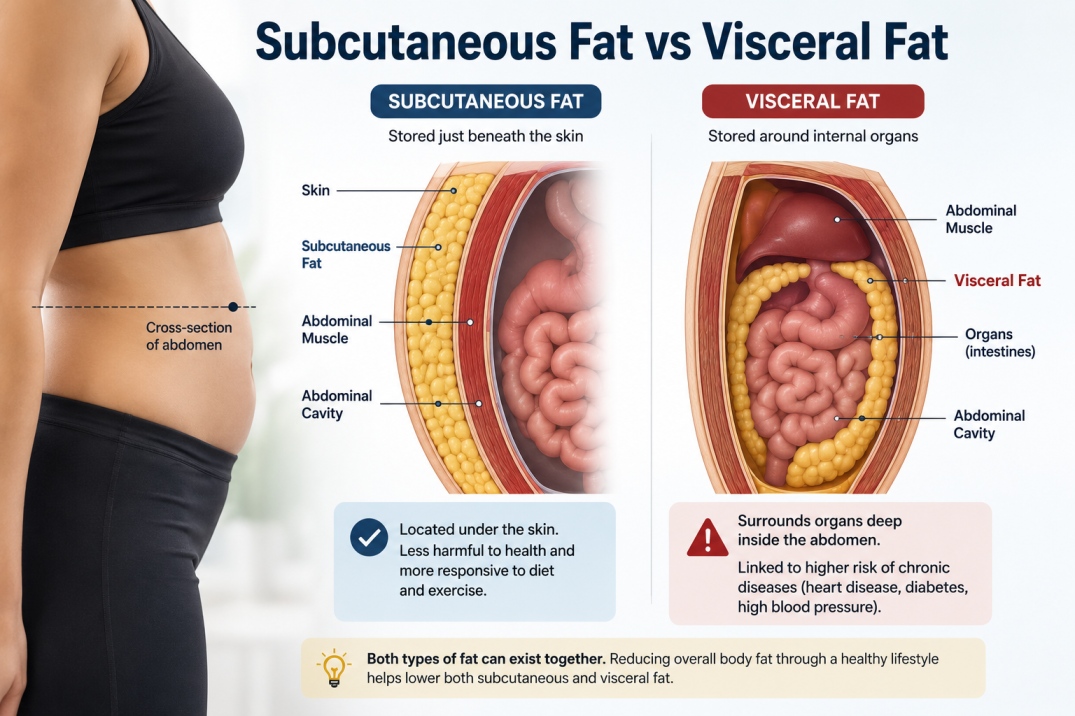
Some abdominal fat sits directly beneath the skin, while another type surrounds internal organs. Higher levels of this deeper abdominal fat are associated with greater metabolic and cardiovascular health risks.
The good news is that evidence-based lifestyle strategies—including balanced nutrition, regular physical activity, strength training, adequate sleep, stress management, and sustainable weight loss—can help reduce overall body fat and improve metabolic health.
In this comprehensive guide, you'll learn:
What belly fat is
The difference between subcutaneous and visceral fat
What causes belly fat
How hormones influence abdominal fat
Why belly fat may increase with age
How diet affects belly fat
Whether specific foods can burn belly fat
The best exercises for reducing abdominal fat
Why strength training matters
How sleep and stress affect belly fat
Common belly fat myths
Evidence-based strategies for sustainable fat loss
What Is Belly Fat?
Belly fat refers to fat stored around the abdominal region.
It is normal for the human body to store some fat. Body fat serves several important functions, including:
Energy storage
Hormone production
Protection of organs
Temperature regulation
Absorption of fat-soluble vitamins
However, excessive fat accumulation—particularly around internal abdominal organs—may increase the risk of several health conditions.
There are two main types of abdominal fat:
Subcutaneous fat
Visceral fat
Understanding the difference is important when discussing belly fat and health.
Subcutaneous Fat vs Visceral Fat
Subcutaneous Fat
Subcutaneous fat is stored directly underneath the skin.
This is the type of fat you can usually pinch around areas such as:
Abdomen
Hips
Thighs
Arms
Everyone has some subcutaneous fat, and it plays normal physiological roles.
However, excessive overall body fat may still contribute to health problems.https://www.who.int
Visceral Fat
Visceral fat is stored deeper within the abdominal cavity and surrounds internal organs.
Excess visceral fat is particularly important from a health perspective because it is associated with increased risk of:
Insulin resistance
Type 2 diabetes
High blood pressure
Abnormal cholesterol levels
Cardiovascular disease
Metabolic syndrome
Reducing excess visceral fat is therefore about more than appearance—it can also be important for long-term metabolic health.https://www.nih.gov
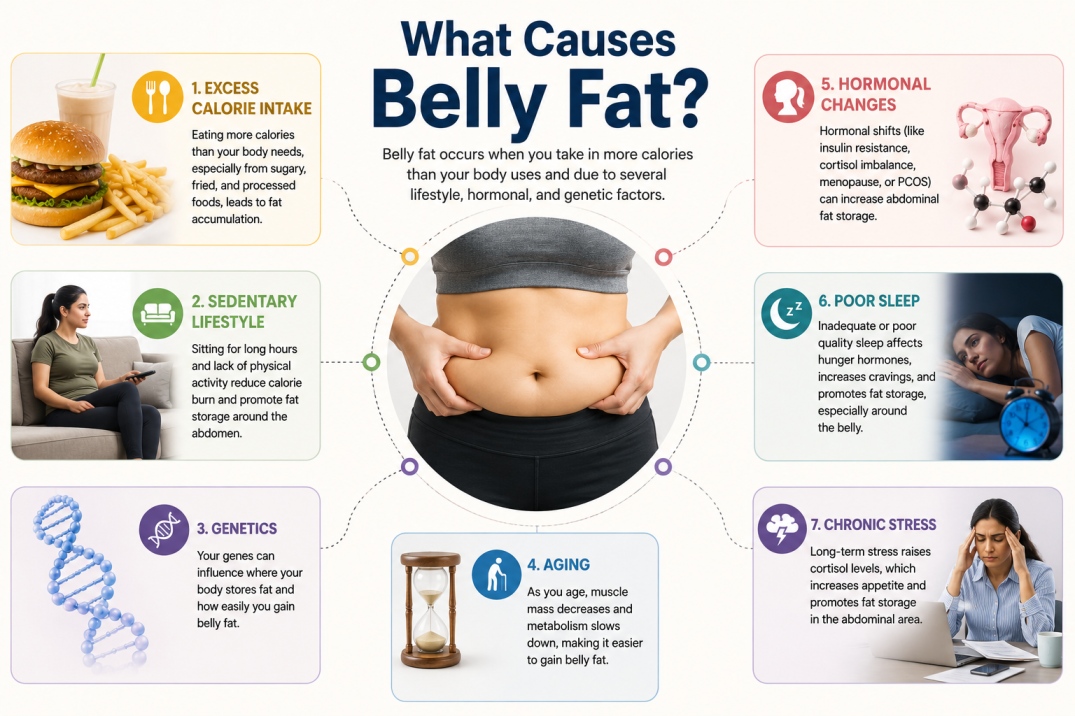
What Causes Belly Fat?
Belly fat usually develops due to a combination of factors rather than one single cause.
Common contributing factors include:
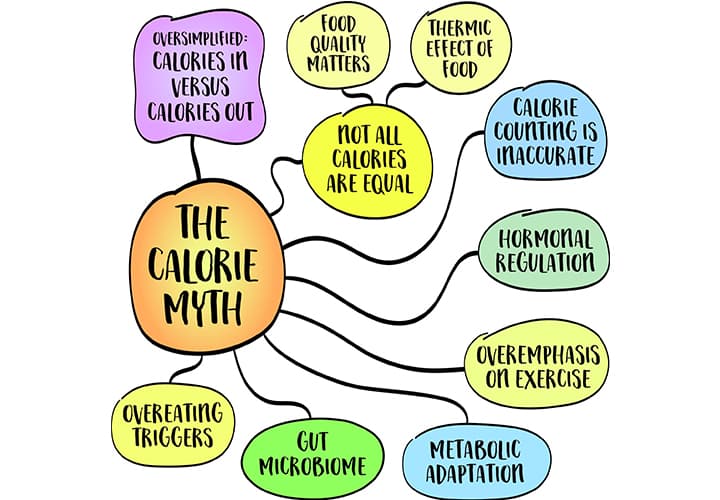
Consuming more calories than the body requires over time
Low physical activity
Sedentary lifestyle
Genetics
Aging
Hormonal changes
Poor sleep
Chronic stress
Low muscle mass
Excessive intake of highly processed foods
Frequent sugary beverages
Excessive alcohol intake
Certain medical conditions or medications
Understanding the underlying factors can help create a more effective and sustainable strategy.
1. Excess Calorie Intake
Body fat generally increases when calorie intake consistently exceeds the amount of energy the body uses.
The excess energy is stored, primarily as body fat.
These extra calories can come from any macronutrient.
However, certain foods make excessive calorie intake easier because they are highly palatable, energy-dense, or less filling.https://wellorafit.com/services/nutrition-diet-planning/
Examples include:
Sugary beverages
Sweets
Deep-fried foods
Fast food
Packaged snacks
Refined desserts
Large restaurant meals
This does not mean these foods directly travel to the belly.
Rather, consistently consuming excess calories can lead to overall fat gain, with genetics and other factors influencing where fat is stored.
2. Genetics and Body Fat Distribution
Genetics influence:
Body shape
Appetite
Metabolism
Fat storage patterns
Where the body tends to lose fat first
Some people naturally store more fat around their abdomen, while others store more around their hips and thighs.
This means two people with similar body weights may have very different fat distribution patterns.
You cannot change your genetics, but healthy lifestyle habits can still improve body composition and metabolic health.
3. Sedentary Lifestyle
Low physical activity can contribute to weight gain and increased abdominal fat.
Modern lifestyles often involve long periods of sitting during:
Office work
Commuting
Television viewing
Smartphone use
Even people who exercise regularly may spend much of the remaining day sitting.
Increasing overall daily movement can therefore be an important part of belly fat management.
Simple strategies include:
Walking more
Taking the stairs
Standing regularly
Walking after meals
Taking movement breaks during work
Doing household activities
Everyday movement complements structured exercise.
4. Aging and Belly Fat
Body composition often changes with age.
Several factors may contribute:
Gradual loss of muscle mass
Reduced physical activity
Changes in energy requirements
Hormonal changes
Changes in fat distribution
If calorie intake remains the same while energy expenditure decreases, gradual weight gain may occur.
Strength training and adequate protein intake become particularly valuable with age because they can help maintain muscle mass.
5. Hormones and Belly Fat
Hormones influence appetite, metabolism, fat storage, and body composition.
Hormonal changes may affect where fat is stored, but hormones are rarely the only factor involved.
Hormones that may influence weight regulation include:
Insulin
Cortisol
Estrogen
Testosterone
Thyroid hormones
Hunger and satiety hormones
Medical conditions affecting hormonal function may contribute to changes in body weight or fat distribution.
If you experience unexplained or rapid weight changes alongside other symptoms, seek professional medical evaluation rather than assuming the problem is simply caused by diet.
6. Insulin Resistance and Abdominal Fat
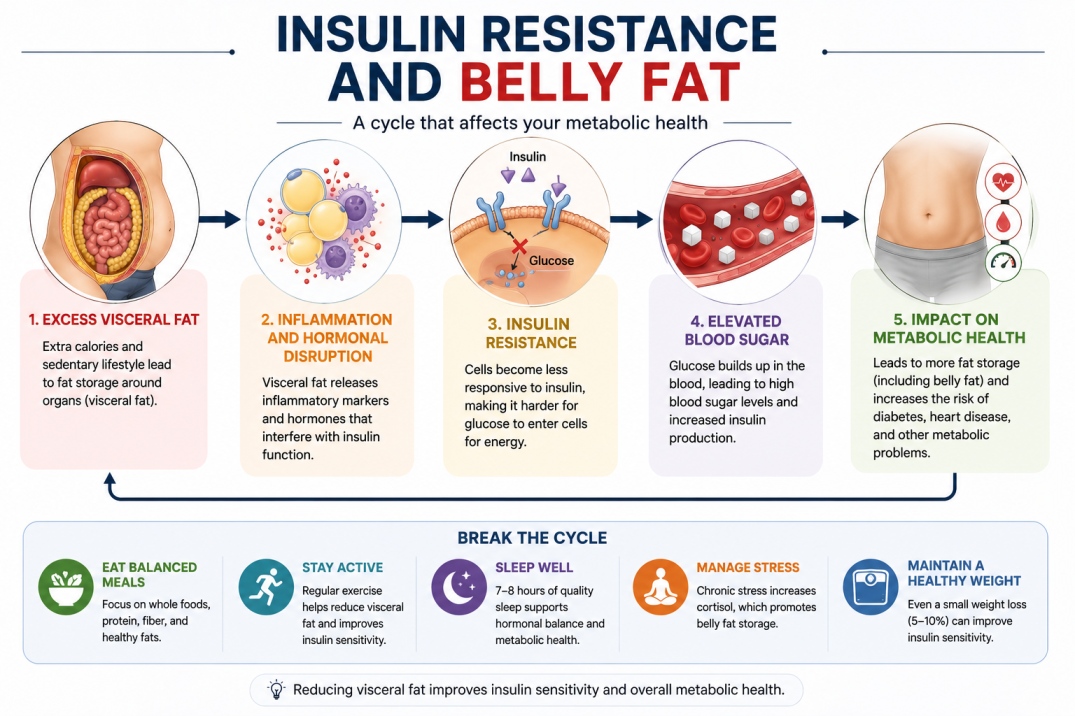
Insulin resistance occurs when the body's cells become less responsive to insulin.
It is commonly associated with excess visceral fat, although the relationship can work in both directions.
Risk factors may include:
Excess body weight
Physical inactivity
Genetics
Poor diet quality
Certain medical conditions
Improving insulin sensitivity may involve:
Regular physical activity
Strength training
Weight loss when appropriate
High-fiber foods
Balanced meals
Adequate sleep
People concerned about insulin resistance should consider appropriate medical testing and professional guidance.
7. Stress and Belly Fat
Chronic stress may contribute to abdominal weight gain through several pathways.
Stress can influence:
Cortisol levels
Appetite
Food cravings
Emotional eating
Sleep quality
Physical activity
When stressed, some people are more likely to consume high-calorie comfort foods or snack frequently.
Stress may also interfere with sleep, creating another pathway that affects appetite and weight management.
Managing stress is therefore an important part of a comprehensive lifestyle strategy.
8. Poor Sleep
Sleep is closely connected to metabolic health and weight regulation.
Regularly getting insufficient or poor-quality sleep may affect:
Hunger
Satiety
Food cravings
Insulin sensitivity
Energy levels
Exercise motivation
Stress hormones
Poor sleep may make it harder to maintain healthy eating and exercise habits.
Most adults benefit from consistent, adequate sleep as part of an overall healthy lifestyle.
9. Sugary Drinks and Liquid Calories
Sugary beverages can contribute significant calories without providing the same fullness as solid foods.
Examples include:
Soft drinks
Sweetened tea
Sweetened coffee
Energy drinks
Packaged fruit drinks
Milkshakes
Frequently consuming calorie-containing beverages can make it easier to exceed daily energy requirements.
Choose water and unsweetened beverages more often.
Whole fruits are generally preferable to fruit juices because they provide more fiber and tend to be more filling.https://wellorafit.com/services/nutrition-diet-planning/
10. Alcohol and Belly Fat
Alcohol provides calories and may influence food choices and appetite.
Frequent or excessive alcohol intake can contribute to excess calorie consumption and weight gain.
Alcohol can also affect sleep quality.
Reducing alcohol intake may therefore support weight management for people who consume it regularly.
Can You Target Belly Fat?
One of the most common misconceptions about fat loss is that exercising a particular body part will specifically burn fat from that area.
This is known as spot reduction.
For example, performing hundreds of:
Crunches
Sit-ups
Leg raises
Planks
can strengthen the abdominal muscles.
However, these exercises do not guarantee that fat will be preferentially lost from the belly.
Fat loss occurs throughout the body according to factors such as:
Genetics
Sex
Age
Hormones
Overall calorie balance
Core exercises can strengthen abdominal muscles, but reducing the fat covering those muscles generally requires overall fat loss.
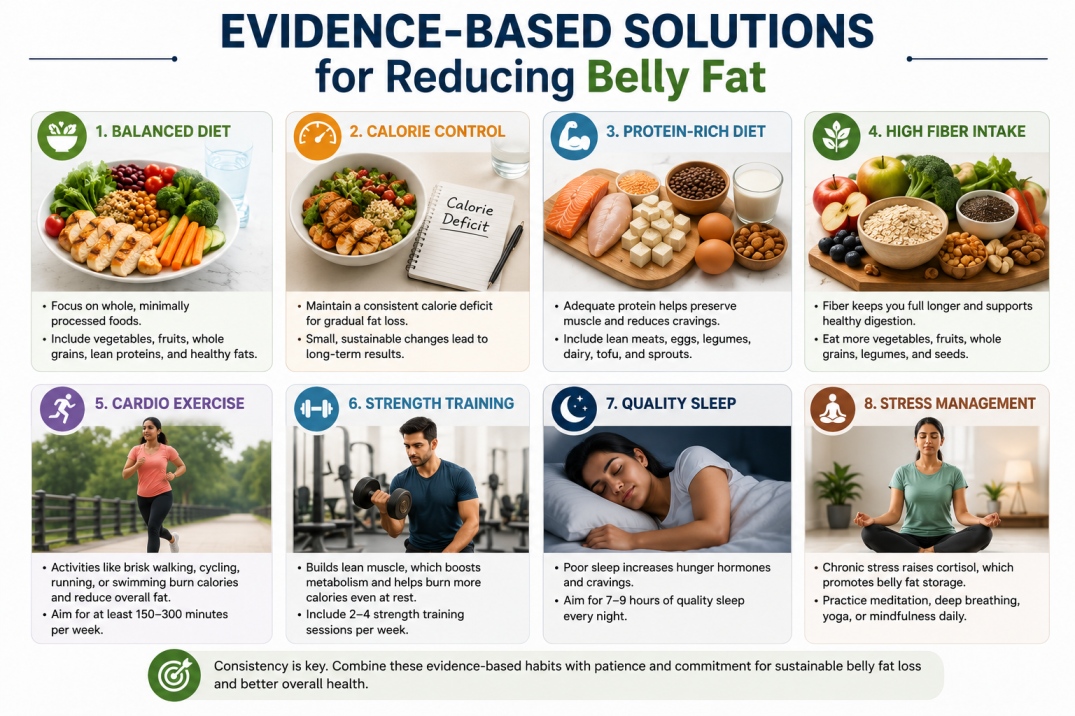
Evidence-Based Solutions for Reducing Belly Fat
There is no single food, drink, supplement, or exercise that specifically melts belly fat.
The most effective approach combines several sustainable lifestyle strategies.
These include:
Maintaining an appropriate calorie deficit
Eating adequate protein
Increasing dietary fiber
Choosing minimally processed foods more often
Performing regular cardiovascular exercise
Including strength training
Increasing daily movement
Getting adequate sleep
Managing stress
Maintaining consistency over time
1. Create a Sustainable Calorie Deficit
Fat loss occurs when the body consistently uses more energy than it receives from food and beverages.
However, the calorie deficit should be sustainable.
Extremely restrictive diets may lead to:
Excessive hunger
Fatigue
Reduced exercise performance
Nutrient deficiencies
Muscle loss
Difficulty maintaining results
Instead, focus on gradual changes such as:
Controlling portions
Reducing sugary beverages
Eating more vegetables
Including adequate protein
Limiting frequent ultra-processed foods
Increasing physical activity
Sustainable habits are more likely to produce long-term results.
2. Eat More Protein
Protein can support fat loss by helping improve fullness and maintain muscle mass.
Good protein sources include:
Vegetarian:
Dal
Chickpeas
Rajma
Paneer
Tofu
Soy
Plain curd
Greek yogurt
Non-vegetarian:
Eggs
Chicken
Fish
Try to include a meaningful protein source with major meals.
Protein intake should be personalized based on individual needs, health status, and activity level.
3. Increase Fiber Intake
Fiber-rich foods can improve fullness and support digestive and metabolic health.
Choose:
Vegetables
Whole fruits
Pulses
Beans
Whole grains
Nuts
Seeds
A simple strategy is to make vegetables a significant part of lunch and dinner.
Increase fiber gradually and maintain adequate hydration.
4. Choose Minimally Processed Foods
Minimally processed foods often provide greater nutritional value and satiety than highly processed alternatives.
Build meals around:
Vegetables
Fruits
Whole grains
Pulses
Legumes
Protein-rich foods
Moderate amounts of healthy fats
Limit frequent intake of:
Sugary drinks
Deep-fried foods
Packaged snacks
Sweets
Cakes
Pastries
Fast food
The goal is not perfection.
Focus on your overall dietary pattern.https://wellorafit.com/services/nutrition-diet-planning/
5. Cardiovascular Exercise for Belly Fat
Cardiovascular exercise can help increase energy expenditure and improve cardiovascular fitness.
Options include:
Brisk walking
Jogging
Cycling
Swimming
Dancing
The best exercise is one you can perform regularly and safely.
Combining planned exercise with increased daily movement can support overall fat loss.
6. Strength Training for Belly Fat
Strength training is an important but sometimes overlooked part of fat loss.
It can help:
Maintain muscle during weight loss
Build strength
Improve physical function
Support healthy body composition
Exercises may include:
Squats
Lunges
Push-ups
Rows
Resistance band exercises
Weight training
Aim for a balanced routine that trains major muscle groups rather than focusing only on abdominal exercises.
7. Increase Daily Movement
Exercise is important, but daily movement outside structured workouts also contributes to total energy expenditure.
Try:
Walking during phone calls
Taking stairs
Parking farther away
Standing periodically during work
Taking short walking breaks
Walking after meals
Performing household activities
Small increases in movement can accumulate throughout the day.
8. Improve Sleep
Healthy sleep supports weight management by influencing appetite, energy, recovery, and food choices.
Helpful habits include:
Maintain consistent sleep and wake times.
Reduce screen exposure before bed.
Limit caffeine late in the day.
Keep the bedroom dark and comfortable.
Develop a relaxing bedtime routine.
Improving sleep alone will not automatically remove belly fat, but it can make other healthy habits easier to maintain.
9. Manage Stress
Stress management can support healthy eating and sleep habits.
Helpful strategies include:
Meditation
Yoga
Deep breathing
Walking
Journaling
Spending time outdoors
Relaxing hobbies
Social connection
The goal is not to eliminate all stress but to develop healthier ways to manage it.
Best Foods to Support Belly Fat Loss
No individual food burns belly fat.
However, certain foods can support a balanced weight-loss diet because they provide protein, fiber, or important nutrients.
Choose:
Vegetables
Whole fruits
Dal
Chickpeas
Beans
Whole grains
Oats
Paneer
Tofu
Eggs
Chicken
Fish
Plain curd
Nuts and seeds in moderate portions
These foods should be combined into balanced meals with appropriate portions.
Foods to Limit for Better Weight Management
Limit frequent intake of:
Sugary beverages
Packaged juices
Sweets
Cakes
Pastries
Cookies
Deep-fried foods
Fast food
Highly processed snacks
Excessive alcohol
No single food automatically creates belly fat.
The concern is the overall dietary pattern and consistent excess calorie intake.
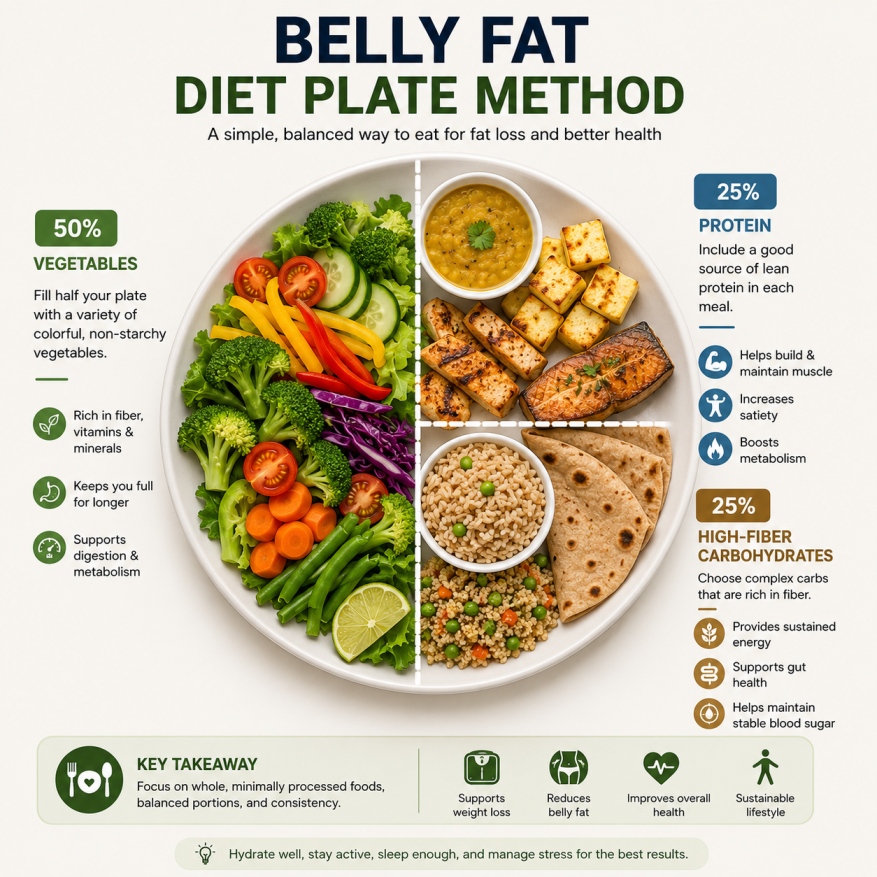
Belly Fat Diet Plate Method
A simple balanced plate can support healthy weight management.
½ Plate: Vegetables
Choose a variety of non-starchy vegetables.
¼ Plate: Protein
Choose:
Dal
Paneer
Tofu
Chickpeas
Eggs
Chicken
Fish
¼ Plate: High-Fiber Carbohydrates
Choose appropriate portions of:
Whole-wheat roti
Brown rice
Oats
Dalia
Millets
Quinoa
Add healthy fats in moderate amounts.
This approach can help create filling meals while naturally supporting portion control.
Sample Indian Meal Plan for Healthy Fat Loss
This is a general example and should be personalized according to individual nutritional needs.
Breakfast
Choose one:
Moong dal chilla + paneer filling
Besan chilla + plain curd
Vegetable omelette + whole-grain toast
Vegetable oats + curd
Paneer or tofu bhurji + whole-wheat roti
Mid-Morning
Choose one:
Whole fruit
Plain curd
Unsweetened buttermilk
Small portion of nuts
Lunch
Choose one:
Dal + 2 small rotis + vegetable sabzi + salad
Rajma + controlled rice portion + salad
Paneer/tofu + roti + vegetables
Grilled chicken + roti + vegetables
Fish + controlled rice portion + vegetables
Evening Snack
Choose one:
Roasted chana
Sprouts
Boiled egg
Plain curd
Roasted makhana
Dinner
Choose one:
Dal + vegetables + 1–2 rotis
Paneer/tofu bhurji + vegetables
Grilled chicken + vegetables + controlled whole-grain portion
Fish + vegetables + controlled rice portion
Moong dal khichdi + vegetables + curd
Portions should be adjusted based on individual energy requirements and health goals.
Common Belly Fat Myths vs Facts
Myth 1: Crunches Burn Belly Fat
Fact: Crunches strengthen abdominal muscles but cannot specifically burn abdominal fat.
Myth 2: Lemon Water Melts Belly Fat
Fact: Lemon water can support hydration but does not directly burn belly fat.
Myth 3: Detox Drinks Remove Abdominal Fat
Fact: No detox drink can specifically remove body fat. Sustainable fat loss requires appropriate nutrition and lifestyle habits.
Myth 4: Carbohydrates Cause Belly Fat
Fact: Carbohydrates alone do not specifically cause abdominal fat. Overall calorie intake, food quality, portions, and lifestyle all matter.
Myth 5: You Must Stop Eating Rice
Fact: Rice can be included in appropriate portions as part of a balanced diet.
Myth 6: Sweating Means You Are Burning More Fat
Fact: Sweating primarily helps regulate body temperature and is not a direct measure of fat loss.
Myth 7: Belly Fat Can Be Lost in Seven Days
Fact: Meaningful and sustainable fat loss takes time. Rapid claims are often unrealistic.
Why Belly Fat Can Be Harder to Lose
Fat distribution is strongly influenced by genetics and biology.
Some people may notice changes in their face, arms, or legs before seeing significant changes around the abdomen.
This does not necessarily mean their weight-loss plan is failing.
As overall body fat decreases, abdominal fat may also decrease over time.
The key is to focus on measurable long-term progress rather than expecting one specific area to change first.
How to Track Belly Fat Progress
The scale is only one measure of progress.
You can also track:
Waist circumference
Body weight trends
Clothing fit
Progress photographs
Strength improvements
Fitness levels
Energy levels
Health markers
Measure waist circumference consistently using the same method and similar conditions.
Avoid checking progress multiple times per day.
Body weight naturally fluctuates because of hydration, food intake, sodium, and other factors.
Focus on longer-term trends.
When to Seek Medical Advice
In some cases, changes in abdominal size or body weight may require medical evaluation.
Speak with a healthcare professional if you experience:
Rapid unexplained weight gain
Sudden abdominal swelling
Persistent abdominal pain
Major unexplained changes in appetite
Significant hormonal symptoms
Other concerning health changes
Not every increase in abdominal size is caused by body fat.
Bloating, digestive problems, fluid retention, and certain medical conditions can also affect abdominal appearance.
Belly Fat Reduction Checklist
✔ Maintain a sustainable calorie deficit if fat loss is needed.
✔ Include protein with major meals.
✔ Eat plenty of vegetables.
✔ Increase dietary fiber gradually.
✔ Choose whole fruits over juice.
✔ Limit sugary beverages.
✔ Reduce frequent ultra-processed foods.
✔ Practice portion control.
✔ Perform regular cardiovascular exercise.
✔ Include strength training.
✔ Increase daily movement.
✔ Get adequate sleep.
✔ Manage chronic stress.
✔ Stay hydrated.
✔ Track long-term progress.
✔ Avoid relying on detoxes or fat-burning products.
✔ Seek professional guidance when appropriate.
Key Takeaways
Belly fat includes both subcutaneous and visceral fat.
Excess visceral fat is associated with increased metabolic and cardiovascular health risks.
Belly fat is influenced by calorie balance, genetics, age, hormones, activity, sleep, stress, and other factors.
You cannot reliably target belly fat through specific exercises.
Abdominal exercises strengthen the core but do not selectively burn abdominal fat.
Sustainable overall fat loss can help reduce abdominal fat.
Adequate protein and fiber can support satiety and healthy weight management.
Cardiovascular exercise and strength training both play valuable roles.
Sleep and stress management should be part of a comprehensive fat-loss strategy.
No food, detox drink, or supplement can specifically melt belly fat.
Consistency with evidence-based lifestyle habits is more effective than quick fixes.
Conclusion
Belly fat is influenced by much more than a single food, hormone, or exercise.
Genetics, age, overall calorie intake, physical activity, muscle mass, sleep, stress, hormones, and lifestyle habits can all affect how and where the body stores fat.
While it is not possible to reliably choose where your body loses fat first, reducing overall excess body fat can lead to reductions in abdominal fat over time.
The most effective approach is also the least dramatic: eat balanced meals, maintain an appropriate calorie intake, consume adequate protein and fiber, exercise regularly, include strength training, move more throughout the day, prioritize sleep, and manage stress.
Avoid solutions that promise to melt belly fat in a few days.
Sustainable fat loss takes time, and progress may not always occur evenly across different parts of the body.
Rather than focusing only on achieving a flatter stomach, aim to improve your overall body composition, strength, fitness, metabolic health, and long-term well-being.
A personalized approach that considers your lifestyle, nutritional needs, health conditions, and individual goals can make the journey safer, more effective, and easier to maintain.
FAQ Schema
1. What causes belly fat?
Belly fat can be influenced by excess calorie intake, genetics, aging, hormonal changes, physical inactivity, poor sleep, chronic stress, and other lifestyle or medical factors.
2. How can I reduce belly fat naturally?
Focus on sustainable overall fat loss through balanced nutrition, an appropriate calorie deficit, adequate protein and fiber, regular exercise, strength training, good sleep, and stress management.
3. Can I lose only belly fat?
You cannot reliably control where your body loses fat first. Spot reduction through targeted exercises is not supported as an effective strategy for selectively removing belly fat.
4. Do crunches burn belly fat?
Crunches strengthen abdominal muscles but do not specifically burn the fat covering those muscles.
5. Does lemon water reduce belly fat?
No. Lemon water may support hydration but does not directly burn or melt belly fat.
6. Which foods help reduce belly fat?
No food specifically burns belly fat. A balanced diet containing vegetables, fruits, protein-rich foods, whole grains, and high-fiber foods can support overall fat loss.
7. Is visceral fat dangerous?
Excess visceral fat is associated with increased risk of insulin resistance, type 2 diabetes, cardiovascular disease, and other metabolic health problems.
8. Can stress cause belly fat?
Chronic stress may contribute to weight gain through effects on appetite, eating behavior, sleep, and stress hormones. It is one of several factors that can influence abdominal fat.
9. Can poor sleep increase belly fat?
Poor sleep may negatively affect appetite regulation, insulin sensitivity, food choices, energy levels, and weight management, potentially contributing to fat gain over time.
10. How long does it take to lose belly fat?
The timeline varies according to starting body composition, calorie intake, physical activity, genetics, health status, and consistency. Sustainable fat loss generally occurs gradually rather than within a few days.
Ready to Begin Your Health Journey?
Get a personalized, medically guided plan built around your unique biology.