Why Most Diets Fail: The Hidden Role of Hormones and Inflammation
Calorie balance plays a role in weight management, but it is only one piece of a much larger system. If you have ever followed a diet perfectly and still failed to lose weight — or lost weight only to regain it all back — hormones and inflammation are likely the reason why.
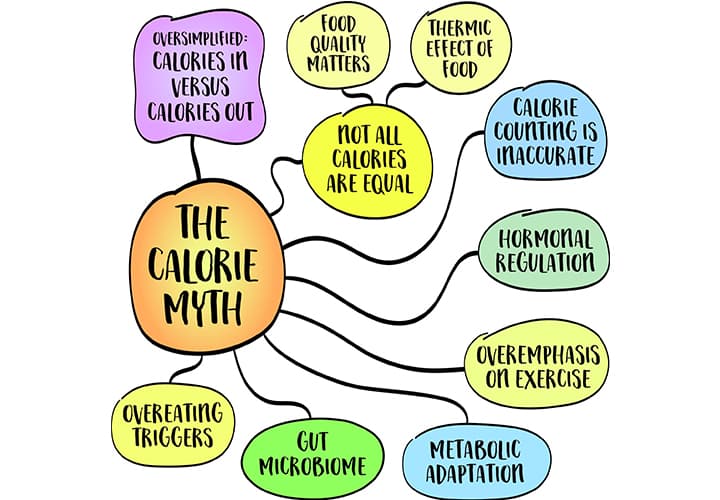
The Calorie Myth
The "eat less, move more" model oversimplifies the biology of weight regulation. Multiple physiological factors — including insulin sensitivity, cortisol levels, thyroid function, leptin resistance, and gut health — determine how your body processes food. Two people eating identical meals can have completely different outcomes based on their hormonal environment.
Severe calorie restriction triggers metabolic adaptation — your body reduces its metabolic rate to survive the perceived famine, making weight loss progressively harder and rebound weight gain almost inevitable when normal eating resumes.
The Role of Hormones
Hormones are the body's chemical messengers that regulate appetite, metabolism, fat storage, and energy use. Key hormones that affect weight include:
- Insulin: The primary fat-storage hormone. Chronically elevated insulin — driven by high sugar diets, stress, and poor sleep — makes fat burning nearly impossible regardless of calorie intake.
- Cortisol: The stress hormone. Chronically elevated cortisol promotes belly fat storage, drives sugar cravings, disrupts sleep, and impairs thyroid function.
- Thyroid hormones: Regulate metabolic rate. Even subclinical hypothyroidism — often missed on standard tests — can cause significant metabolic slowdown.
- Leptin and ghrelin: The hunger hormones. Sleep deprivation and crash dieting disrupt both, increasing hunger and reducing satiety signals.
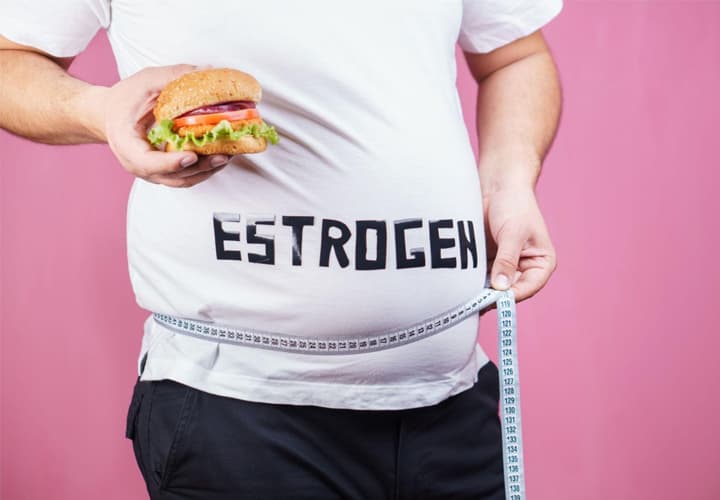
- Sex hormones: Estrogen dominance, low testosterone, and PCOS-related androgen imbalances all directly affect fat distribution and metabolism.
The Inflammation Connection
Chronic low-grade inflammation — driven by poor diet, gut dysbiosis, environmental toxins, stress, and excess body fat — creates a biological environment hostile to weight loss. Inflammation:
- Impairs insulin receptor sensitivity, worsening insulin resistance
- Disrupts hormone signaling throughout the body
- Damages the gut microbiome, affecting nutrient absorption and appetite regulation
- Elevates cortisol, perpetuating the stress-fat storage cycle
The WelloraFit Approach
WelloraFit addresses the complete physiological picture. Before designing any nutrition or fitness plan, our doctors assess blood markers for insulin sensitivity, thyroid function, inflammatory markers (CRP, ESR), sex hormones, cortisol patterns, and gut health indicators.
This diagnostic approach ensures that the interventions we prescribe actually address the biological barriers preventing your weight loss — not just the surface-level symptoms.
Effective, sustainable weight loss requires understanding your individual metabolic function, not merely tracking caloric intake. That is what makes WelloraFit different.
Ready to Begin Your Health Journey?
Get a personalized, medically guided plan built around your unique biology.