Fitness Strategy for Fat Loss: Why Strength Training Matters
When most people think of fat loss exercise, they picture long cardio sessions. Running for hours, cycling until exhaustion, spending hours on the treadmill. The science, however, consistently shows that this approach — when used in isolation — often backfires. Strength training, not cardio, is the metabolic engine behind sustainable fat loss.
Why Cardio Alone Is Not Enough
Excessive cardiovascular exercise without adequate strength training creates a specific set of metabolic problems:
- Muscle loss: Prolonged moderate-intensity cardio, especially when combined with caloric restriction, causes the body to break down muscle tissue for fuel. Less muscle means a lower resting metabolic rate.
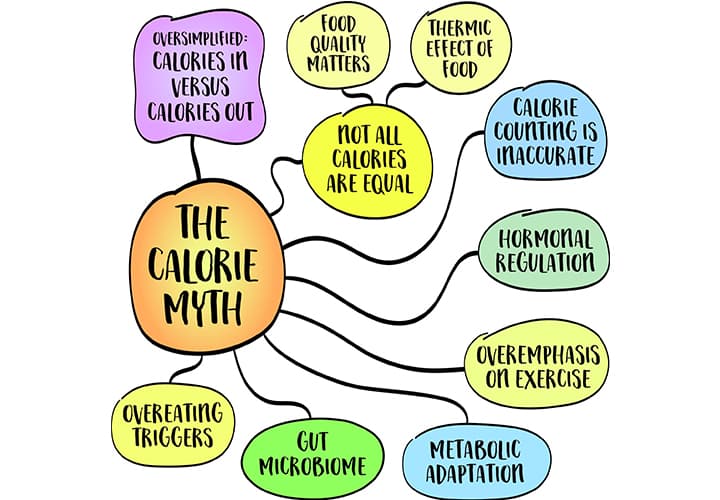
- Metabolic adaptation: The body adapts to repetitive cardio by becoming more efficient — burning fewer calories for the same activity over time.
- Elevated cortisol: Long cardio sessions elevate cortisol, which promotes muscle breakdown, impairs recovery, disrupts sleep, and drives fat storage — particularly around the abdomen.
- No afterburn effect: Steady-state cardio provides minimal excess post-exercise oxygen consumption (EPOC), meaning calorie burning returns to baseline quickly after the session ends.
The Role of Strength Training in Fat Loss
Muscle tissue is metabolically expensive — it burns calories even at rest. Every kilogram of muscle added to your body increases your resting metabolic rate by approximately 13-15 calories per day. Over months and years, this compounds significantly. Strength training:
- Preserves and builds lean muscle mass, protecting your metabolic rate
- Creates significant EPOC — your body continues burning calories for up to 48 hours after a strength session
- Improves insulin sensitivity, making your body more efficient at using glucose for energy rather than storing it as fat
- Strengthens bones, connective tissue, and joints — reducing injury risk as you lose weight
- Produces hormonal benefits including increased growth hormone and testosterone, which support both fat loss and muscle retention
Strength Training and Metabolic Health
Beyond aesthetics, strength training has profound effects on metabolic health markers that directly affect weight management:
- Reduces fasting blood glucose and improves insulin sensitivity — critical for those with insulin resistance or prediabetes
- Reduces inflammatory markers associated with chronic disease and metabolic dysfunction
- Improves lipid profiles including triglycerides and HDL cholesterol
- Supports thyroid function and hormonal balance
How WelloraFit Designs Fitness Programs
At WelloraFit, fitness programs are not generic workout plans. They are designed by certified trainers in direct coordination with your doctor and dietitian, based on:
- Your blood markers, body composition, and health status
- Your current fitness level, injury history, and movement patterns
- Your nutrition plan and caloric targets to ensure adequate fuel for training
- Your lifestyle — schedule, equipment access, stress levels, and recovery capacity
Fitness During Medical Weight Management or GLP-1 Therapy
For clients on GLP-1 therapy or other medical weight management protocols, fitness programming becomes even more critical. Reduced appetite can lead to inadequate protein intake, which accelerates muscle loss. Our trainers and dietitians work together to ensure that exercise intensity, recovery, and nutrition are synchronized to preserve muscle while supporting fat loss.
Lifestyle Activity Beyond the Gym
Formal exercise is important, but non-exercise activity thermogenesis (NEAT) — the calories burned through daily movement outside the gym — accounts for a significant portion of total energy expenditure. We help you increase daily movement through practical strategies: walking meetings, activity targets, posture correction, and daily habit integration.
Fat loss is not about doing more — it is about doing what works. Strength training, properly programmed and medically aligned, is the most sustainable strategy for long-term body composition improvement.
Ready to Begin Your Health Journey?
Get a personalized, medically guided plan built around your unique biology.