GLP-1 Medications: Benefits, Risks, and What Your Doctor Should Monitor
GLP-1 receptor agonist medications have emerged as a significant tool in medical weight management. Originally developed for type 2 diabetes, they are now widely used for weight control under professional supervision. But like all medical interventions, they require proper context, oversight, and lifestyle integration to be genuinely effective and safe.
What GLP-1 Medications Do
GLP-1 (glucagon-like peptide-1) receptor agonists work by mimicking a hormone naturally produced in the gut after eating. They:
- Slow gastric emptying, increasing the feeling of fullness after meals
- Reduce appetite and food cravings by acting on brain appetite centers
- Stimulate insulin secretion in response to meals, improving blood sugar control
- Reduce glucagon production, preventing unnecessary glucose release from the liver
Potential Advantages
For appropriate candidates with genuine metabolic health concerns, GLP-1 medications can provide:
- Significant reduction in appetite, making caloric management easier
- Improved blood sugar regulation in people with insulin resistance or type 2 diabetes
- Reduction in cardiovascular risk factors in certain populations
- A supportive tool that makes adherence to lifestyle changes more achievable
Who Should Not Use GLP-1 Medications
These medications are not suitable for everyone. They should be avoided by:
- Individuals without genuine metabolic health concerns who are seeking a "shortcut"
- Those with a personal or family history of medullary thyroid carcinoma or MEN2
- Individuals with certain digestive conditions, including gastroparesis
- People unwilling to commit to concurrent nutrition and exercise guidance
- Those who have not undergone proper medical assessment and baseline blood work
Risks of Unsupervised Use
Without proper medical oversight, GLP-1 users are at significant risk of:
- Muscle deterioration: Rapid weight loss without protein-adequate nutrition and resistance training leads to loss of lean muscle mass, reducing metabolic rate.
- Nutritional deficiencies: Reduced appetite can lead to inadequate micronutrient intake without targeted nutritional support.
- Digestive problems: Nausea, vomiting, and gastrointestinal discomfort are common, particularly when dosage is not properly managed.
- Weight rebound: Stopping medication without having built sustainable lifestyle habits almost always results in weight regain.
What Your Doctor Should Monitor
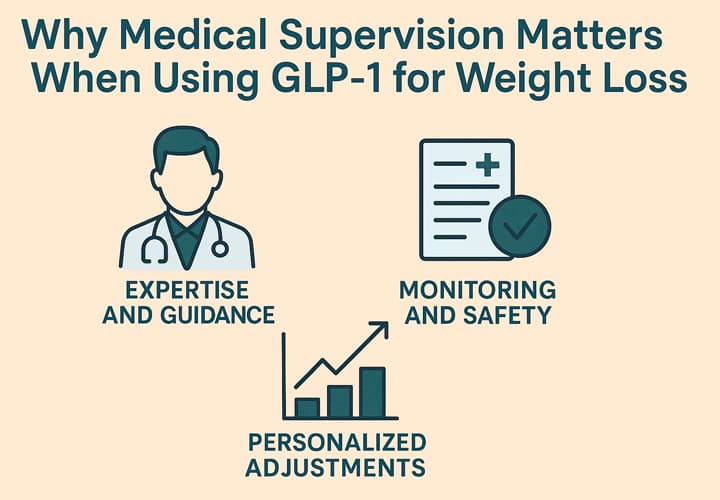
Proper GLP-1 management requires regular monitoring of:
- Body composition (muscle vs. fat mass changes, not just weight)
- Nutritional status (protein intake, micronutrient levels)
- Metabolic markers (blood sugar, insulin, lipid profile)
- Side effects and dosage response
- Lifestyle adherence to nutrition and fitness protocols
The WelloraFit Approach to GLP-1
At WelloraFit, GLP-1 therapy is one optional component within a comprehensive medical weight management program — never a standalone solution. Our approach combines medical assessment, personalized nutrition (including muscle-preserving protein protocols), structured fitness training, and behavioral coaching to ensure that medication-assisted weight loss translates into permanent lifestyle transformation.
GLP-1 medications can support weight management when used responsibly and medically supervised — but sustainable outcomes require long-term lifestyle transformation beyond medication alone.
Ready to Begin Your Health Journey?
Get a personalized, medically guided plan built around your unique biology.